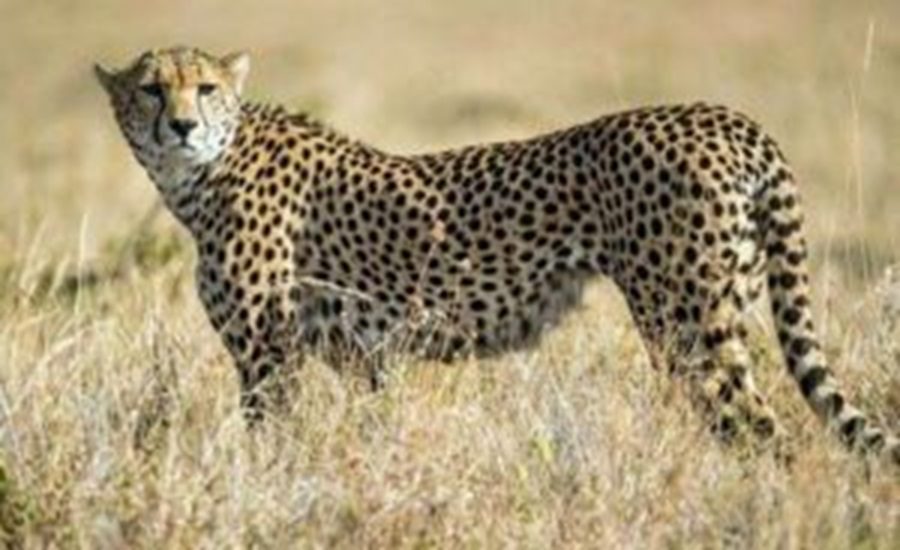
Bhopal/Sheopur: In a landmark achievement for wildlife conservation, Kuno National Park has crossed a major milestone, with the cheetah population rising to 57, firmly establishing it as the world’s most successful global cheetah breeding centre.
The latest boost comes with the birth of four new cubs, taking the number of Indian-born cheetahs to 37, marking a significant step forward for Project Cheetah.
Officials described the development as a crucial milestone, noting, “This is a significant step toward achieving the core objectives of the project—survival and breeding under natural conditions.”
Second-Generation Cheetahs Mark Historic First
The four cubs were born to a two-year-old Indian-born female cheetah, making this a second-generation birth—a major scientific breakthrough.
Her mother, Gamini, was among the cheetahs translocated from South Africa in February 2023. This lineage signifies that cheetahs are not only surviving but successfully reproducing across generations in India.
Adding to its significance, officials confirmed that this is the first birth to have occurred entirely in the wild, unlike earlier instances where births took place in controlled enclosures or “soft bomas.”
Recent Births Signal Rapid Population Growth
This development comes just weeks after Jwala, a Namibian-origin cheetah, gave birth to five cubs on March 8, marking her third litter.
The steady increase in births—by females like Gamini, Jwala, and Nirva—indicates that the cheetahs have fully acclimatised to Kuno’s ecosystem and are thriving in natural conditions.
From Translocation to Transformation: Project Cheetah’s Journey
Launched on September 17, 2022, by Prime Minister Narendra Modi, Project Cheetah marked the world’s first intercontinental translocation of large carnivores, with eight cheetahs brought from Namibia.
Key milestones include:
- March 2023: First litter of 4 cubs born to Jwala—the first in India in 70 years
- 2024: Gamini sets a record with a litter of 5 cubs
- February 2026: 9 cheetahs introduced from Botswana
- April 2026: Multiple births accelerate population growth
Subsequent additions from South Africa further strengthened the genetic pool and breeding success.
Why Kuno Is Thriving as a Breeding Hub
Experts attribute Kuno’s success to several favourable factors:
- Abundant prey base
- Suitable grassland and forest ecosystem
- Minimal human disturbance
- Careful scientific monitoring
The frequent birth of cubs suggests that female cheetahs are stress-free and well-adapted, a key indicator of ecological success.
Key Cheetahs Behind the Success Story
Several individual cheetahs have played a pivotal role in this conservation journey:
- Mukhi: The first India-born female to grow into adulthood and give birth—considered a major genetic milestone
- Gamini: Record-holder for a five-cub litter
- Jwala: First to give birth in India after 70 years
- Agni and Vayu: Known for their wide territorial range
Expansion Plans: Gandhi Sagar as Second Habitat
With the population steadily rising, authorities are now developing Gandhi Sagar Sanctuary as a second home for cheetahs.
The long-term vision is to create a Kuno–Gandhi Sagar landscape capable of supporting 60–70 cheetahs, ensuring sustainable growth and better management.
Boost to Local Economy and Tourism
The success of Project Cheetah has also transformed the local economy in Sheopur and surrounding regions.
- Surge in wildlife tourism
- New employment opportunities for local youth
- Increased national and international attention
Kuno is now not just a conservation site but a growing eco-tourism hub.
Challenges and Early Setbacks
Despite its success, the project faced initial hurdles. Out of the first 20 translocated cheetahs, nine died due to various reasons, and ten cubs were lost during infancy.
However, consistent breeding success and improved survival rates indicate that the project has overcome early challenges.
A Global Conservation Success Story
With a population of 57 and counting, Kuno National Park has transitioned from a reintroduction site to a globally recognised breeding centre, setting a benchmark for wildlife conservation efforts worldwide.
As India continues to refine and expand the project, Kuno stands as a powerful example of how science, policy, and ecological commitment can bring a species back from the brink.
Read also: Eight Cubs Born in February Boost Project Cheetah at Kuno National Park