Bengaluru: Project Kusha M1 Interceptor has successfully completed critical wind tunnel trials at the National Aerospace Laboratories (NAL) in Bengaluru. The achievement marks an important milestone for India’s indigenous long-range air defence programme and strengthens the country’s efforts to build a self-reliant missile defence shield. The tests validated the missile’s aerodynamic performance and readiness for future flight trials, bringing Project Kusha one step closer to operational deployment.
What Is Project Kusha
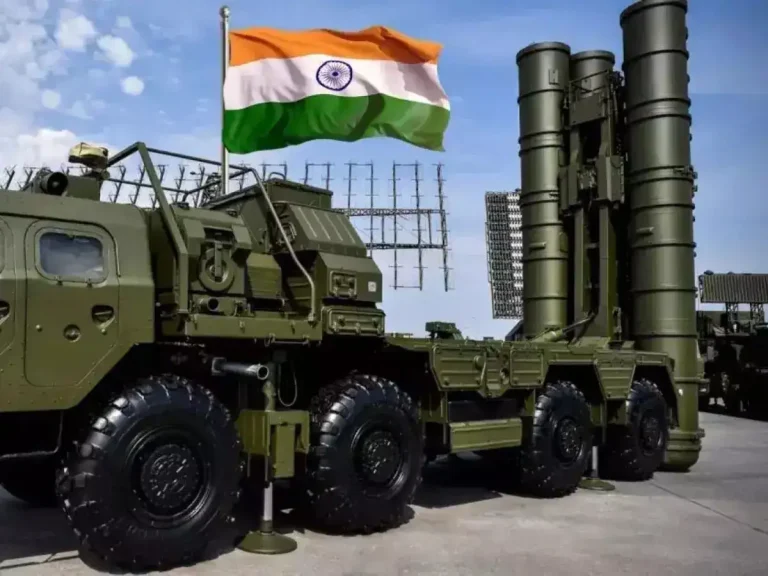
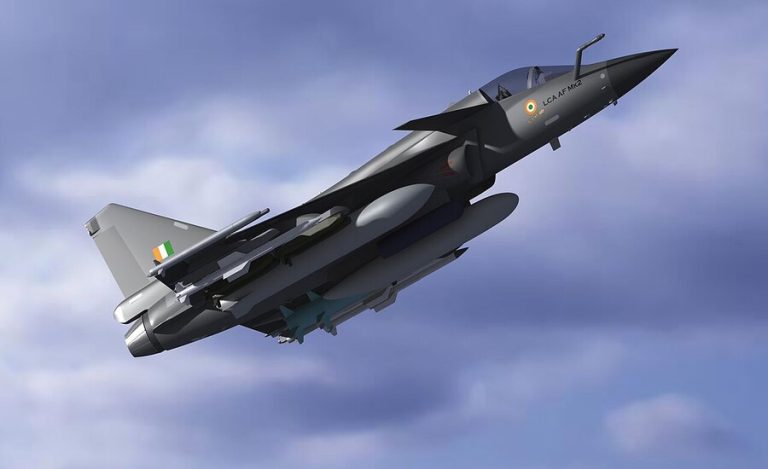
Project Kusha is India’s indigenous long-range air defence system being developed by the Defence Research and Development Organisation (DRDO).
Read also: Project Kusha: DRDO Reveals How India Will Reduce Dependence on Imported Air Defence Systems
The programme is designed to provide multi-layered protection against fighter aircraft, cruise missiles, drones, and other aerial threats. The system consists of three interceptor variants:
- M1 Interceptor – Range up to 150 km
- M2 Interceptor – Range up to 250 km
- M3 Interceptor – Range of 350–400 km
Together, these missiles are expected to form a powerful defensive shield for the Indian Air Force.
Project Kusha M1 Interceptor: Why The Wind Tunnel Trials Matter
Wind tunnel testing is a crucial stage in missile development. During the trials at NAL Bengaluru, engineers evaluated the M1 interceptor under simulated high-speed airflow conditions. The tests examined aerodynamic stability, lift-to-drag ratios, control surfaces, and overall flight behaviour. These evaluations help ensure that the missile can perform reliably in real combat situations. The successful completion of these tests confirms that the missile’s design is progressing as planned and is ready for the next phase of development.
Key Areas Evaluated During Testing
- Aerodynamic stability
- Drag and lift performance
- Nose cone efficiency
- Control surface effectiveness
- High-speed flight behaviour
- Manoeuvrability against aerial threats
The data collected during the trials will be used to fine-tune the missile before flight testing begins.
Project Kusha M1 Interceptor Designed For Modern Air Threats
The M1 interceptor is specifically designed to engage highly agile aerial targets.
These include:
- Fighter aircraft
- Cruise missiles
- Stealth threats
- Armed drones
- Other airborne targets
With an engagement range of approximately 150 km, the M1 will serve as the first defensive layer of Project Kusha’s multi-tier air defence architecture.
Indigenous Technology At The Core
Project Kusha highlights India’s growing capability in advanced defence technology. The programme combines computational fluid dynamics (CFD), advanced guidance systems, indigenous radars, and modern interceptor technologies. Wind tunnel testing also helps validate computer-generated simulations, ensuring real-world performance matches design expectations.
The project is being developed with support from Indian defence industry partners, helping reduce dependence on foreign air defence systems.
Read also: Can AD-1, AD-2 And Project Kusha Protect India From Future Missile Threats? Here’s What We Know
FAQs
The M1 interceptor is designed to engage aerial targets at ranges of up to 150 kilometres.
Project Kusha is an indigenous long-range air defence programme developed by DRDO to protect India from aircraft, cruise missiles, drones, and other aerial threats.
Wind tunnel trials help engineers evaluate a missile’s aerodynamic performance, stability, control, and flight characteristics before actual flight testing.