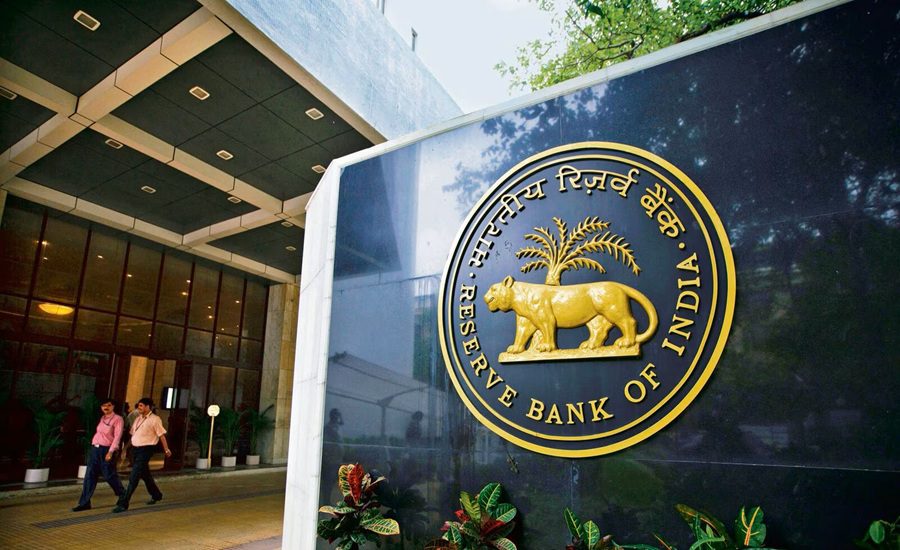
New Delhi: In a step that reinforces India’s commitment to international financial standards, the Reserve Bank of India (RBI) has officially renewed its Statement of Commitment to the FX Global Code, a set of globally accepted principles that guide best practices in the wholesale foreign exchange market.
What is the FX Global Code?
The FX Global Code is a comprehensive framework of principles designed to promote fairness, transparency, liquidity, and efficiency in the global FX market. It was first launched in 2017 through a collaborative initiative between central banks and market participants from around the world.
The Code is not a regulatory requirement, but rather a voluntary set of guidelines intended to enhance ethical behavior and reduce misconduct in the largely decentralized FX markets. It applies to all participants in the wholesale foreign exchange market, including central banks, commercial banks, asset managers, corporates, and trading platforms.
Read also: India’s Forex Buffer Falls by $4.38 Billion in a Week, Stands at $690.72 Billion
RBI’s Renewed Commitment
In an official statement released on Wednesday, the RBI confirmed that it has reviewed the updated content of the FX Global Code and recognizes it as a set of principles that are “generally recognised as good practice” in the global FX markets.
“The Bank confirms that it acts as a market participant as defined by the code and is committed to conducting its FX Market activities in a manner consistent with the principles of the code,” the RBI stated.
The central bank added that it has taken appropriate internal steps to align its operations with the Code’s expectations. These steps are proportionate to the size, complexity, and nature of its foreign exchange activities, signaling a conscious effort to integrate global best practices into its operational framework.
Global Oversight and Code Updates
The Global Foreign Exchange Committee (GFXC) is the international body responsible for the promotion, maintenance, and ongoing development of the FX Global Code. Since its initial release, the GFXC has updated the Code twice — once in July 2021 and more recently in December 2024.
These updates reflect the evolving dynamics of the FX market, including the increased use of algorithmic trading, electronic platforms, and heightened emphasis on transparency. The 2024 revision included enhanced guidance on settlement risk mitigation, appropriate use of confidential client data, and disclosure norms related to principal and agency trading.
By renewing its Statement of Commitment, the RBI has not only signaled its alignment with these revised global standards but also encouraged Indian financial institutions and market participants to adopt similar practices.
Why This Matters for India
The RBI’s decision to reaffirm its commitment to the FX Global Code comes at a time when India’s foreign exchange market is becoming more integrated with the global financial system. The country has seen rising volumes in cross-border trade, capital inflows, and external borrowings, making adherence to global best practices increasingly crucial.
This move is expected to:
- Enhance credibility of India’s financial system among international investors and trading partners.
- Promote greater transparency in RBI’s own interventions and operations in the FX market.
- Encourage Indian banks and financial institutions to align their practices with international norms.
- Strengthen risk management and operational discipline in India’s foreign exchange ecosystem.
Voluntary, But Meaningful
While the FX Global Code is not legally binding, central banks and financial institutions across the world treat it as a benchmark for ethical and professional conduct. By signing the Statement of Commitment, the RBI demonstrates its intent to lead by example and set high standards for market behavior.
Analysts note that voluntary codes like this help build trust in decentralized markets, where regulatory oversight may be limited and reliance on self-governance is high.