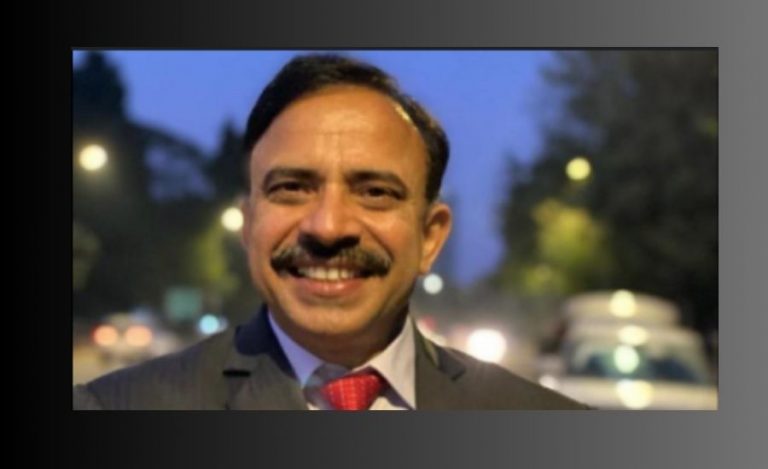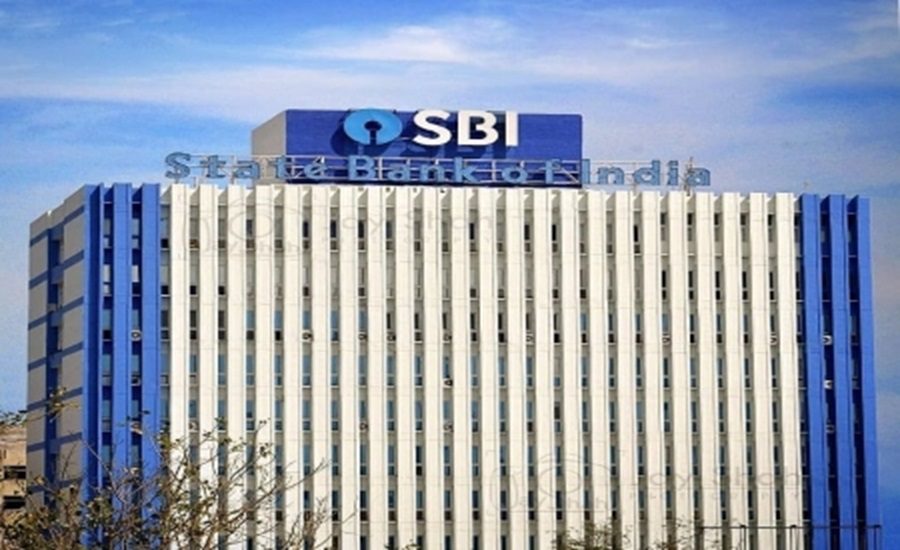
Mumbai: The State Bank of India (SBI), India’s largest public sector lender, has appointed Ratna Teja Dinakara Akella as its new Deputy Managing Director (DMD) and Group Chief Risk Officer (GCRO), marking a key leadership restructuring aimed at strengthening the bank’s enterprise risk governance.
The appointment was disclosed through a regulatory filing submitted to stock exchanges on June 5, 2026.
Key Leadership Appointment at SBI
The elevation of Akella to one of the most critical roles in the banking system comes at a time when financial institutions are increasingly focused on strengthening risk controls amid rapid digital transformation, evolving regulatory frameworks, and global macroeconomic uncertainties.
Read Also: SBI Approves Plan to Raise Up to $2 Billion via Global Bonds in FY27 to Boost Capital Strength
As Group Chief Risk Officer, Akella will be responsible for overseeing the bank’s enterprise-wide risk architecture, including credit risk, market risk, operational risk, capital adequacy management, and regulatory compliance frameworks.
A Veteran SBI Insider with Three Decades of Experience
Akella is a long-serving SBI professional who began his career with the bank in 1994 as a Probationary Officer. Over a career spanning more than 30 years, he has worked across multiple verticals, including retail banking, corporate credit, international banking, foreign exchange operations, and risk management.
Prior to his latest elevation, he served as Chief General Manager of the Risk Management Department at SBI’s Corporate Centre in Mumbai, where he played a key role in strengthening internal risk monitoring systems and governance structures.
His extensive experience across core banking operations is expected to support SBI’s continued efforts to enhance financial stability and operational resilience.
Role of Group Chief Risk Officer
The Group CRO position is considered one of the most strategically important roles within SBI, given the bank’s large domestic network and significant international exposure.
In his new capacity, Akella will oversee:
- Enterprise-wide credit risk monitoring
- Market and liquidity risk management
- Operational risk assessment
- Regulatory compliance frameworks
- Capital planning and risk governance
The role is central to ensuring the bank maintains strong asset quality while supporting growth across retail, corporate, and international banking segments.
Strategic Importance of the Appointment
SBI’s decision to appoint a dedicated senior executive to lead its risk function reflects the bank’s ongoing focus on strengthening governance structures and aligning with global best practices in banking supervision.
The move also supports the bank’s broader objective of maintaining sustainable growth while safeguarding balance sheet strength in an increasingly complex financial environment.
Part of Broader Leadership Restructuring
The appointment comes amid a series of internal leadership changes at SBI aimed at reinforcing institutional governance and ensuring long-term stability.
The bank has been progressively strengthening its top management structure to improve decision-making efficiency and enhance oversight across critical operational areas.
Why This Appointment Matters
- Strengthens SBI’s enterprise risk management framework
- Enhances oversight of credit, market, and operational risks
- Supports regulatory compliance and long-term financial stability
- Reinforces governance in India’s largest banking institution
Conclusion
The elevation of Ratna Teja Dinakara Akella as SBI’s Group Chief Risk Officer marks a significant step in the bank’s ongoing efforts to reinforce its risk governance structure. With decades of internal experience and deep expertise in banking operations, his appointment is expected to further strengthen SBI’s resilience in a rapidly evolving financial landscape.
About SBI
State Bank of India is one of India’s largest public sector banks and frequently accesses international debt markets to meet its funding needs and strengthen its capital position. The bank’s global fundraising initiatives play a key role in supporting its large-scale lending operations and financial stability.