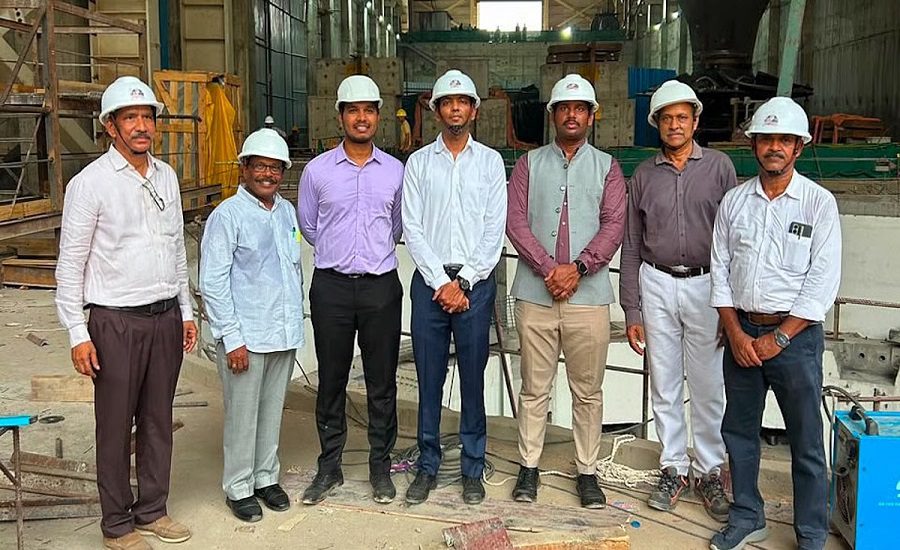
Vijayawada: A team of trainee Indian Administrative Service (IAS) officers of the 2025 batch visited the prestigious Polavaram Irrigation Project and Pattiseema Lift Irrigation Scheme in Andhra Pradesh on Tuesday as part of the AP Darshan Programme, aimed at providing young administrators with practical exposure to major developmental and infrastructure projects.
The visit offered the officers an opportunity to understand the technical, administrative, environmental and socio-economic dimensions of two of the state’s most significant water resource projects.
IAS Officers Participate in AP Darshan Programme
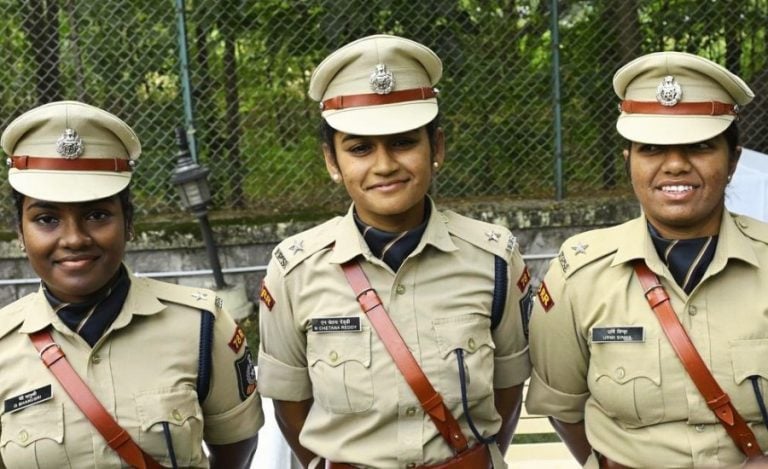
The trainee IAS officers who participated in the field visit included:
- CH Sravan Kumar Reddy
- Hari Om Pandia
- Kshitij Aditya Sharma
- Namrat Agarwal
- Pawan Teja AR
- Priya
- Suyash Kumar
- Venkatesh Banna
The officers visited the Polavaram Irrigation Project, the Polavaram Hydroelectric Project, and the Pattiseema Lift Irrigation Scheme to gain firsthand knowledge about their design, implementation, challenges and expected benefits.
Officials Brief Officers on Project Significance
During the visit, senior project officials explained various aspects of the ambitious infrastructure initiatives.
Among those present were:
- Reddy Ramachandra Rao, Superintending Engineer (SE)
- Balakrishna, Executive Engineer (EE)
- Srinivas, Deputy Executive Engineer (DEE)
- A. Gangadhar, General Manager, MEIL Project
- Murali Pammi, Deputy General Manager (DGM)
The officials provided detailed presentations on:
- Project objectives
- Engineering design
- Construction progress
- Technical complexities
- Environmental considerations
- Administrative coordination
- Long-term developmental impact
Polavaram: A Transformational National Project
Officials highlighted that the Polavaram Irrigation Project is one of India’s largest multipurpose irrigation projects and is expected to play a transformative role in Andhra Pradesh’s development.
The project is designed to provide:
Irrigation Benefits
The project will bring extensive agricultural land under assured irrigation, improving crop productivity and supporting farmers across multiple districts.
Drinking Water Supply
Polavaram is expected to provide drinking water to numerous urban and rural areas, strengthening water security for millions of people.
Hydroelectric Power Generation
The integrated hydroelectric component of the project will contribute significantly to clean energy generation and support the state’s power requirements.
Flood Management
The project is also expected to help regulate river flows and reduce flood-related risks in vulnerable regions.
Officers Inspect Ongoing Construction Activities
Following the technical briefing, the trainee officers conducted an on-site inspection of ongoing construction works.
The officers interacted extensively with engineers and project managers to understand:
- Construction methodologies
- Project execution mechanisms
- Coordination among agencies
- Resource management
- Rehabilitation and resettlement aspects
- Environmental safeguards
- Challenges associated with large-scale infrastructure development
The interactions provided valuable practical insights into the complexities involved in executing nationally significant infrastructure projects.
Focus on Pattiseema Lift Irrigation Scheme
The IAS officers also visited the Pattiseema Lift Irrigation Scheme, regarded as one of India’s pioneering river-linking initiatives.
Officials explained how the project has enhanced water resource management by transferring surplus Godavari river water to the Krishna basin, thereby improving irrigation availability in drought-prone areas.
The trainee officers appreciated the project’s role in:
- Optimising water resources
- Strengthening irrigation coverage
- Supporting agricultural sustainability
- Enhancing drought resilience
- Improving water management efficiency
Practical Learning for Future Administrators
The visit formed part of the broader effort to expose trainee civil servants to major development initiatives and governance challenges.
By observing projects such as Polavaram and Pattiseema, the officers gained valuable insights into:
- Infrastructure planning
- Public policy implementation
- Inter-departmental coordination
- Resource management
- Sustainable development
- Water governance
The exposure is expected to help the future administrators better understand the complexities of executing large public infrastructure projects and their impact on regional development.
Polavaram’s Role in Andhra Pradesh’s Development Vision
The Polavaram Project remains one of the most significant infrastructure undertakings in Andhra Pradesh, with the potential to reshape the state’s agricultural, energy and water security landscape.
As construction progresses, the project is expected to deliver long-term benefits through enhanced irrigation, drinking water supply, renewable energy generation and flood control, making it a cornerstone of the state’s development strategy.