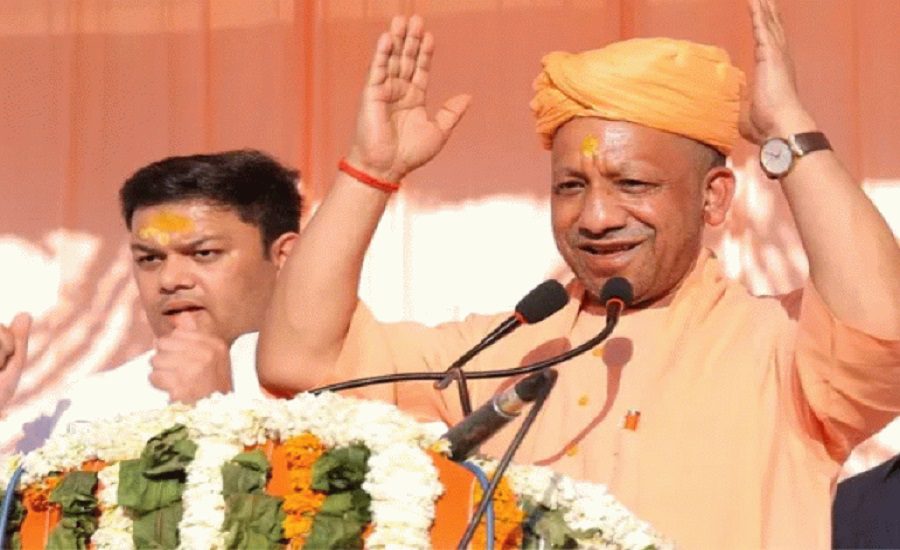
Lucknow: At the Education Conclave 2026, the education reform model of Uttar Pradesh—widely referred to as the “Yogi Model”—emerged as a major point of discussion among policymakers, education experts, and administrators from across India.
The conclave, organized by the Central Square Foundation, focused on key themes such as learning outcomes, assessment reforms, foundational education, and the integration of technology in the classroom. Uttar Pradesh’s education transformation under its current policy framework was highlighted as a significant example of large-scale systemic improvement.
Uttar Pradesh’s Education Model Showcased as Reform-Driven Success
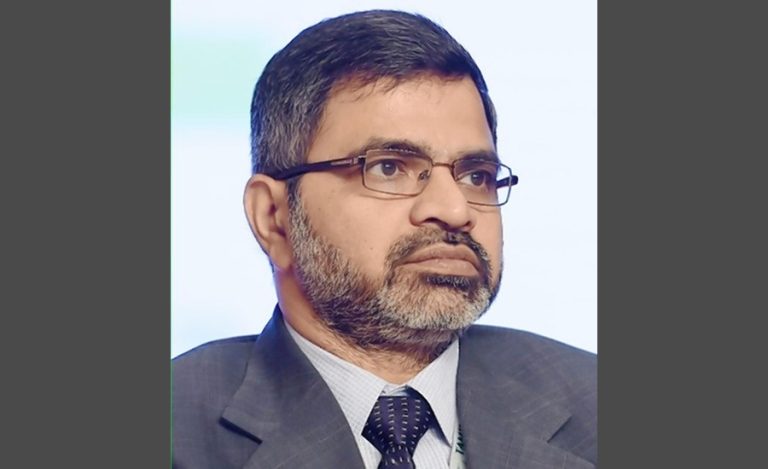
Presenting the state’s perspective, Additional Chief Secretary Partha Sarathi Sen Sharma emphasized that Uttar Pradesh’s education reforms have been driven by clear objectives and strong implementation strategies.
He stated that the combination of goal-oriented planning and consistent execution has delivered measurable results in the state’s basic and secondary education system.
The Uttar Pradesh model was widely discussed at the conclave as an example of how structured reforms can lead to visible improvements in governance and learning outcomes.
Focus on FLN, ECE, AI and EdTech Integration
The conclave featured in-depth discussions on several important areas of education reform, including:
- Foundational Literacy and Numeracy (FLN)
- Early Childhood Education (ECE)
- Use of Artificial Intelligence (AI) in education
- Expansion of EdTech tools in classrooms
- Strengthening assessment systems under NIPUN Bharat Mission
States shared their experiences and best practices, with Uttar Pradesh’s model receiving special attention for its implementation framework.
Clear Goals, Continuous Assessment and Empowered Teachers Drive Change
Sharma highlighted that Uttar Pradesh’s education transformation is based on three core pillars:
- Clear targets for learning outcomes
- Continuous evaluation and monitoring systems
- Empowered and actively supported teachers
He explained that the state has adopted a target-based teaching approach, combined with regular assessments and structured feedback mechanisms. This has helped create a more accountable and result-oriented education system.
Evaluation as a Tool for Improvement, Not Punishment
A key highlight of the Uttar Pradesh education approach is its redesigned assessment system. The government has emphasized that evaluation should be used as a corrective and supportive tool, rather than for reward or punishment.
This approach helps identify learning gaps early and ensures timely academic support for students and schools facing challenges. Continuous guidance is being provided to improve learning outcomes across institutions.
Strengthening Teacher Support and Ground-Level Implementation
The state has also introduced several initiatives to strengthen teacher participation and support systems, including:
- Mentor support through Academic Resource Persons (ARP)
- Cluster-level meetings for structured academic dialogue
- Regular tracking of student progress through tools like “Talika”
These measures have improved coordination between teachers and administrators while strengthening accountability in schools.
Technology-Driven Governance Enhancing Education Delivery
The use of technology has played a crucial role in improving governance and implementation. Real-time digital connectivity between administrators and teachers has enabled faster decision-making and efficient monitoring of educational programmes.
This tech-driven system is being seen as a key strength of Uttar Pradesh’s education reform model.
Scaling Successful Practices Across the State
Instead of limiting focus to select “NIPUN schools,” the Uttar Pradesh government is working to identify and scale successful practices across the entire state. This approach aims to expand effective models of teaching and learning, ensuring broader institutional strengthening and faster improvement in education outcomes.
About Education Conclave 2026
The Education Conclave 2026, organized by the Central Square Foundation, brought together education leaders, policymakers, and experts from across India to discuss reforms in school education, with a strong focus on improving learning outcomes, assessment systems, and the use of technology in education.