Surat: A series of high-level policy and industry discussions at the Vibrant Gujarat Regional Conference (VGRC) in Surat focused on strengthening India’s self-reliance in the fertiliser sector while accelerating tourism development in tribal regions of Gujarat.
Experts Call for Import Substitution in Fertiliser Sector
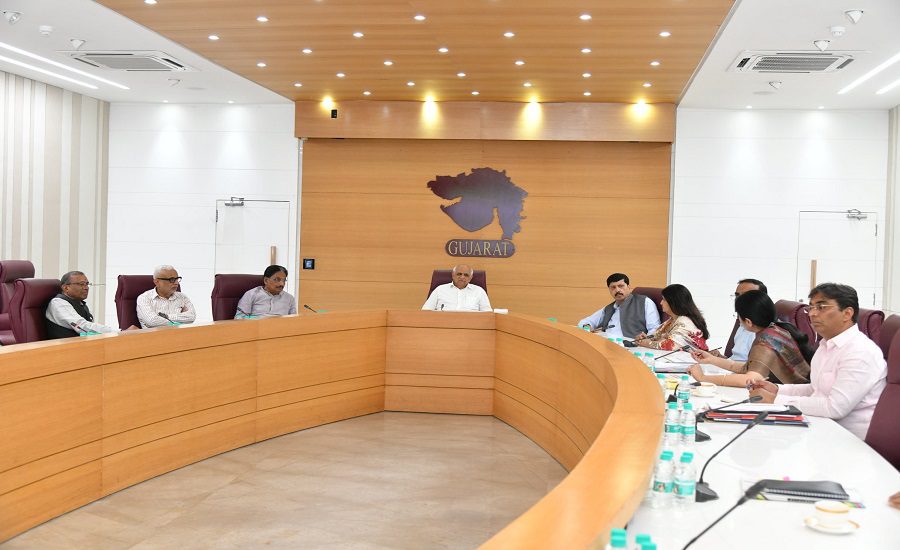
At Auro University, a national-level panel was organised by the state’s Energy and Petrochemicals Department during the Vibrant Gujarat Regional Conference. The discussion centered on strategies for reducing India’s dependence on imported fertiliser inputs.
Experts highlighted India’s continued reliance on imports for key raw materials like potash and phosphatic inputs, stressing the urgent need to expand domestic production capacity.
Key focus areas included:
- Boosting production of urea, DAP, and complex fertilisers
- Promoting nano urea, bio-fertilisers, and organic alternatives
- Reducing production costs and import dependency
- Strengthening technology-driven agricultural solutions
Participants from industry, academia, agriculture, and policy institutions agreed that geopolitical uncertainties and global supply chain disruptions have made fertiliser self-reliance critical for India’s agricultural stability.
Push for Long-Term Agricultural Sustainability
The panel emphasised coordinated action between government agencies, industry stakeholders, and research bodies to ensure a stable and affordable fertiliser supply for farmers.
Experts noted that improving domestic manufacturing capacity will not only reduce import dependence but also enhance long-term agricultural sustainability in India.
Gujarat Focuses on Tribal and Eco-Tourism Development
In a parallel session at the Vibrant Gujarat Regional Conference, the state government highlighted its strategy to develop tourism infrastructure in tribal and rural regions, with a strong push for eco-tourism and cultural heritage promotion.
State Tourism Minister Dr. Jayram Gamit stated that tribal belts in South Gujarat have significant tourism potential, especially destinations like Saputara.
Rising Tourist Footfall and New Tourism Projects
Officials reported that tourist arrivals in Saputara increased from 1.13 lakh in FY 2023–24 to 1.19 lakh in FY 2025–26.
The government is also exploring new tourism segments such as:
- Wedding tourism in Narmada, Saputara, and Dang
- Eco-tourism circuits in tribal regions
- Cultural heritage tourism initiatives
A ₹9.85 crore project is currently underway to develop Sunrise Point in Saputara.
₹220 Crore Allocated for Tribal Tourism Development
For FY 2026–27, the Gujarat government has allocated approximately ₹220 crore to strengthen tourism infrastructure in tribal areas.
The focus is on:
- Eco-tourism expansion
- Rural tourism development
- Tribal heritage circuits
- Sustainable and responsible tourism models
Cultural Promotion and Stakeholder Participation
The tourism session also showcased cultural elements from South Gujarat, including traditional Warli art.
Officials from Gujarat Tourism and the Gujarat Tribal Research and Training Society, along with tourism stakeholders, discussed strategies to ensure responsible and inclusive tourism development.
The discussions at the Vibrant Gujarat Regional Conference underline Gujarat’s dual focus on strengthening agricultural self-reliance through fertiliser innovation and boosting rural tourism as a driver of inclusive economic growth.