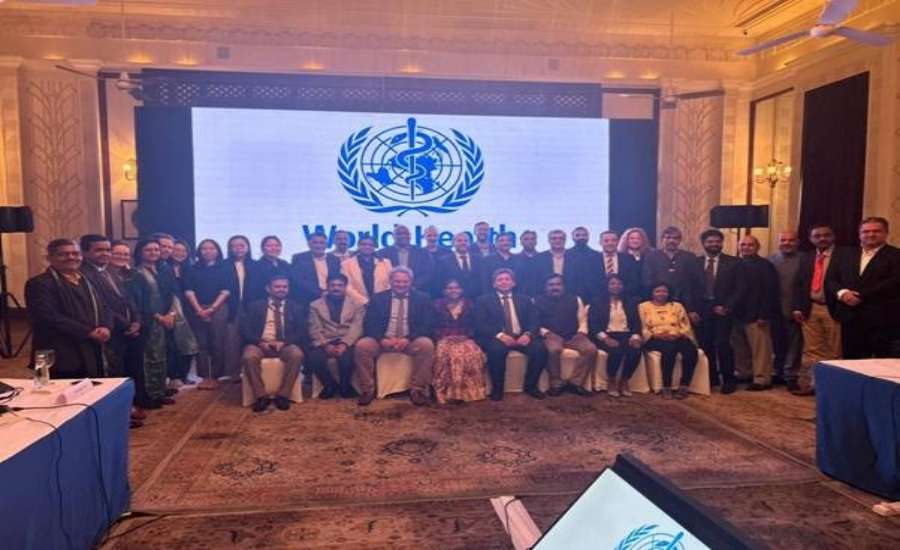
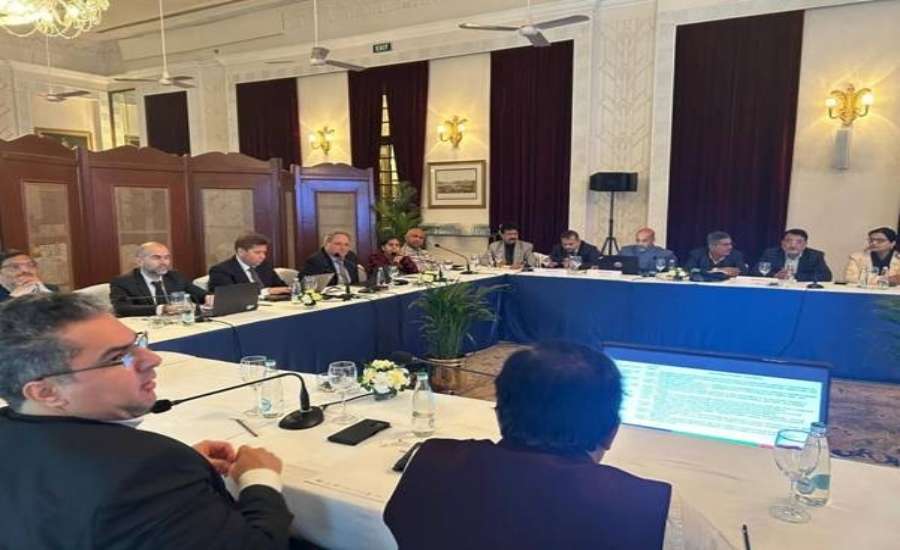
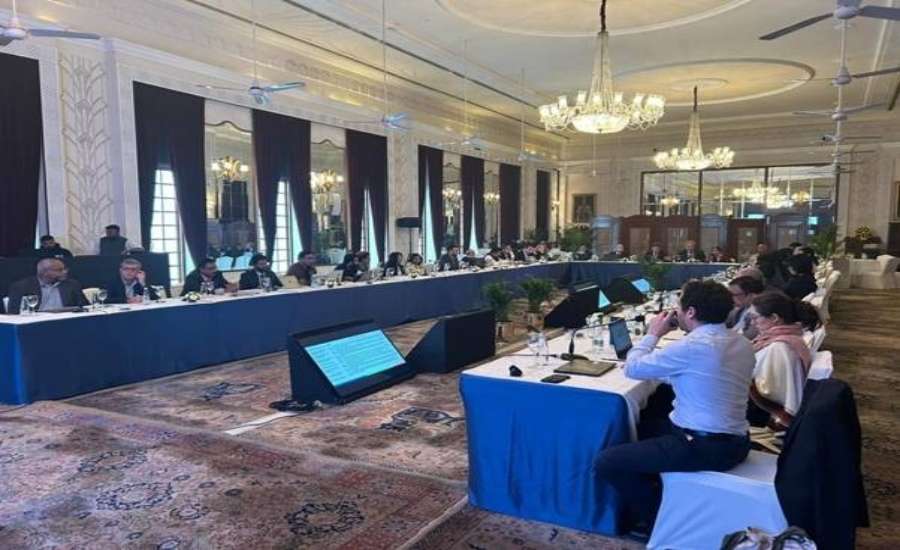
New Delhi: In a significant step toward the global integration of traditional medicine, the World Health Organization (WHO) and Ministry of AYUSH jointly convened a two-day Technical Project Meeting in New Delhi to advance the inclusion of Ayurveda, Siddha, and Unani (ASU) systems within international health intervention frameworks.
The high-level meeting focused on the development of Traditional Medicine (TM) Intervention Codes under the International Classification of Health Interventions (ICHI)—a globally recognized WHO standard used to classify healthcare interventions across countries.
Background of WHO AYUSH Traditional Medicine Integration
The technical meeting builds upon the Memorandum of Understanding (MoU) and Donor Agreement signed between the Ministry of AYUSH and WHO on May 24, 2025. Under this agreement, India committed financial and technical support to facilitate the development of a dedicated Traditional Medicine module within the ICHI framework.
Read also: IREDA Joins National Mission for TB-Free India with Awareness and Screening Camp
This collaboration reflects India’s growing leadership in shaping global discourse on traditional medicine and reinforces WHO’s commitment to inclusive, safe, and evidence-based healthcare systems.
Significance of WHO AYUSH Traditional Medicine Integration
The initiative marks a pivotal move in aligning India’s rich traditional healthcare knowledge with modern, evidence-based global health systems. By creating standardized intervention codes, traditional medicine practices can be formally documented, classified, and integrated into national and international health information systems.
According to official sources, this development will allow Ayush-based healthcare interventions to be recognized, reported, analyzed, and compared globally—placing them on par with conventional medical systems in health data reporting and policy formulation.
Standardized Framework to Enable Global Adoption
A standardized coding framework under ICHI will:
- Enable global documentation and reporting of Ayush interventions
- Support clinical research and health outcome analysis
- Improve policy formulation and insurance coverage
- Facilitate cross-country comparability of healthcare data
As noted by Vaidya Rajesh Kotecha, Secretary, Ministry of AYUSH, the creation of a dedicated ICHI module for traditional medicine will be instrumental in achieving worldwide recognition of Ayush systems.
WHO AYUSH Traditional Medicine Integration Aligned with PM Global Health Agenda
The initiative aligns closely with the vision of Prime Minister Mr. Narendra Modi, who has consistently emphasized the importance of delivering maximum healthcare benefits to people through scientifically validated traditional knowledge.
During his Mann Ki Baat addresses and international forums, the Prime Minister has highlighted the global potential of Ayush systems when supported by standardized, transparent, and evidence-based frameworks. The current effort directly contributes to fulfilling that vision by enabling global acceptance and scientific credibility for traditional medicine.
Leadership and Expert Participation from India
The Indian delegation was led by Ms. Kavita Garg, Joint Secretary, Ministry of AYUSH, who also chaired the technical sessions. Under her leadership, India presented detailed national intervention codes for Ayurveda, Siddha, and Unani medicine.
The expert panel included senior officials and scholars such as:
- Prof. Rabinarayan Acharya, Director General, CCRAS
- Prof. N. J. Muthukumar, Director General, CCRS
- Dr. Zaheer Ahmad, Director General, CCRUM
Their contributions ensured scientific rigor, clinical relevance, and alignment with traditional practice standards.
Robust Global Participation Ensures International Consensus
The meeting saw extensive participation from WHO’s regional offices including AFRO, AMRO, EMRO, EURO, SEARO, and WPRO, ensuring a comprehensive global perspective.
Key WHO representatives from headquarters in Geneva included Dr. Robert Jakob, Nenad Kostanjsek, Stephane Espinosa, and Dr. Pradeep Dua, who guided the technical classification discussions.
Experts from multiple countries—Bhutan, Brazil, India, Iran, Malaysia, Nepal, Mauritius, South Africa, Sri Lanka, the Philippines, the UK, and the USA—shared national perspectives, enabling harmonization of intervention descriptions across diverse healthcare systems.
Role of WHO Global Traditional Medicine Centre, Jamnagar
Experts from the WHO Global Traditional Medicine Centre (GTMC), Jamnagar, including Dr. Geetha Krishnan, played a key role in bridging global standards with India’s traditional medicine ecosystem.
Additionally, Dr. Pawan Kumar Godawat from WHO SEARO contributed insights from regional implementation experiences.
Advancing Evidence-Based and Inclusive Healthcare
The integration of traditional medicine into the ICHI framework provides a common global language for health interventions.
This not only enhances data quality but also supports:
- Evidence-based clinical research
- National and global health planning
- Universal health coverage goals
- Digital health record integration
WHO will undertake further validation and policy alignment to ensure strict adherence to international standards.
WHO AYUSH Traditional Medicine Integration: A Global Milestone for Ayush Systems
This initiative represents a historic milestone in India’s efforts to position Ayush systems within the global healthcare mainstream. By combining ancient wisdom with modern classification systems, India and WHO are setting the stage for a more inclusive, data-driven, and holistic global health ecosystem.