By Vivek Srivastava & Dr Dinesh Singh
On the 79th Independence Day, addressing the nation from the Red Fort, Prime Minister Narendra Modi announced the launch of Mission Sudarshan Chakra—an initiative aimed at expanding, strengthening, and modernising India’s national security framework. Within this context, the Home Guards can play a vital role at the grassroots. However, their effectiveness hinges on reimagining their role in alignment with the original intent behind their creation.
The Role of Home Guards and Fraternity
Home Guards are a unique institution built upon the value of fraternity. Formed as a voluntary force, they consist of ordinary citizens who willingly offer their time and efforts to support internal security, civil defence, and community welfare. Unlike professional state employees, Home Guards act as a bridge between the government and community, stepping in during festivals, emergencies, and natural disasters to maintain order and assist in relief.
The Preamble of the Indian Constitution highlights fraternity alongside justice, liberty, and equality. Although often overlooked in legal discourse, fraternity represents collective responsibility, unity, and mutual support. This principle is the foundation of voluntary service—the very essence of the Home Guards, who act out of a shared sense of duty rather than obligation.
Historical Background and Development
The Home Guards concept emerged in 1946 during communal unrest in Mumbai. In response to the violence, a civilian volunteer force was created to aid law enforcement and protect citizens. The importance of this force led the Government of India to formalise it with the Model Home Guards Act, 1965, which enabled states to establish their own units. Since then, Home Guards have significantly supported police and civil authorities, especially in times of crisis.
However, over time, confusion has arisen about the nature of this organisation. Because Home Guards sometimes perform duties similar to police—like maintaining public order or aiding in disaster relief—there is a widespread but mistaken belief that they are akin to permanent service professionals. This misunderstanding has led to administrative and judicial misinterpretations that risk eroding the fundamental goal of nurturing community spirit.
Misinterpretation of Voluntarism
Viewing Home Guards as police officers, “workmen” under labour laws, or civil servants under Article 311 of the Constitution is a misreading of their purpose. Such claims, often stemming from demands for regularisation or employment benefits, ignore the voluntary basis on which Home Guards operate. Applying labour or civil service frameworks to this participatory institution misses the point.
The Supreme Court has clarified that enrolling as a Home Guard does not establish a master-servant relationship nor entitle individuals to permanent employment or regular service benefits. Treating these roles as regular jobs would violate the legal framework and distort the intent of fostering community engagement.
The objective is not to provide permanent employment or create a parallel government service but to maintain a dedicated network of citizens who can support state functions as needed. Attempts to regularise these positions compromise the true spirit of the Home Guards: cultivating selfless, community-minded citizens, not providing stable career opportunities. Diverse state-level approaches to recruitment and statutory implementation have further contributed to misunderstandings about the organisation.
Safeguarding the Constitutional Vision
As we strive to strengthen democratic institutions, it is vital to remember the ideals that shape them. Home Guards embody the constitutional principle of fraternity by promoting community and mutual support. Reducing their role to categories meant for employment disputes or state posts undermines their unique identity.
Instead of misclassifying Home Guards for administrative convenience, we should focus on reviving and supporting their spirit of voluntary service. By doing so, we honour the Constitution’s deeper message: that nation-building depends not only on laws and institutions but also on the bonds of mutual respect and civic responsibility among all citizens.
About The Author
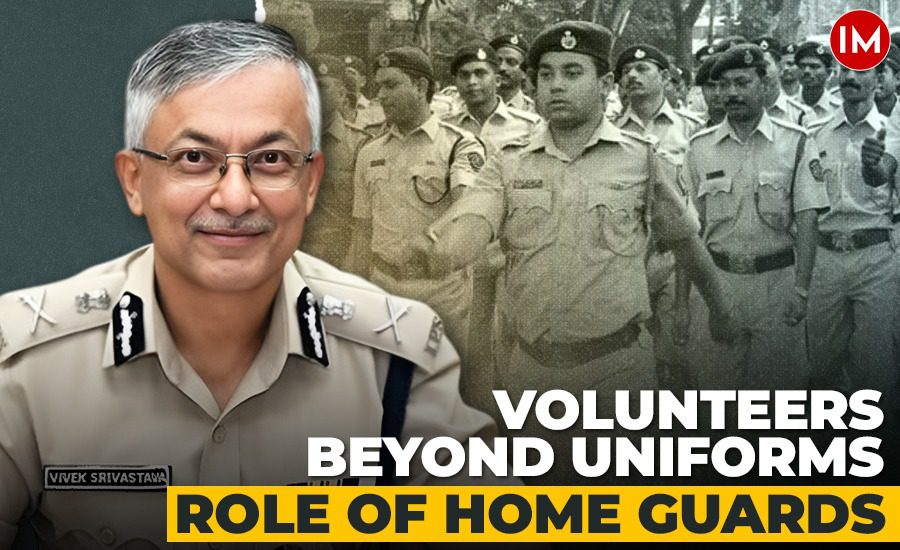
Vivek Srivastava is a retired Indian police service officer of the 1989 batch of the Gujarat cadre. He has been Director of SPG and Director General, Fire Success, Civil Defence and Home Guards.
Dr Dinesh Singh is an assistant professor of Law at National Law University, Delhi.