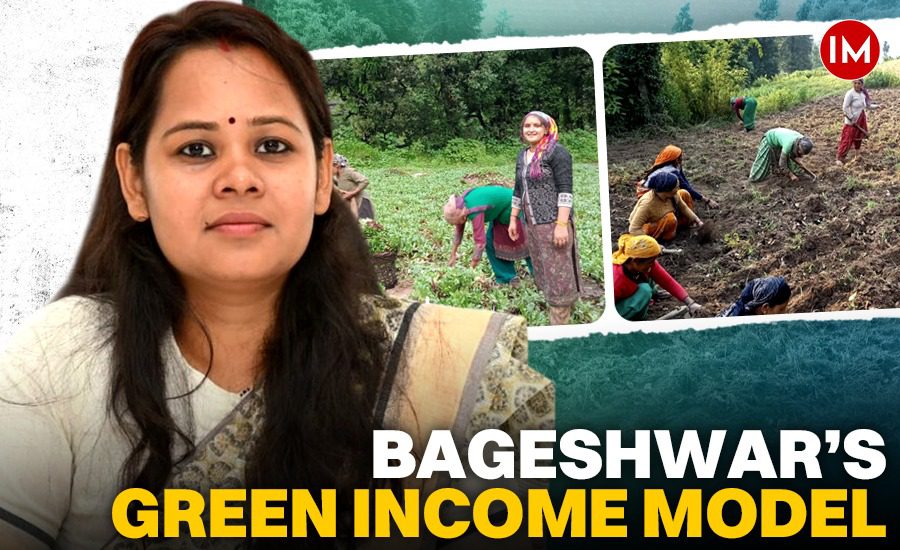
In the remote stretches of Bageshwar, where opportunities have long been limited by geography, a new kind of farming is changing lives… slowly, steadily, and sustainably.
At the center of this transformation is Akansha Konde, a 2018-batch IAS officer and the district’s Collector, who is reimagining how natural resources can power rural incomes.
“The idea is to use what we already have and make it work better for people,” she shared in an exclusive conversation with Indian Masterminds.
UNLOCKING THE HIMALAYAN ADVANTAGE
Bageshwar may be remote, but it sits on a natural advantage. The Himalayan foothills, especially regions above 2000 meters like Uttarakhand, Sikkim, Himachal Pradesh, and the Northeast, are ideal for medicinal plant cultivation.
Globally, countries like China and Japan dominate this sector. But India, despite its rich biodiversity, has only scratched the surface.
“The Medicinal Plant Board has already identified high-value crops and their income potential. The issue was that we weren’t using this potential fully,” Konde explains.
That gap became her starting point.
WHY KUTKI BECAME THE GAME-CHANGER
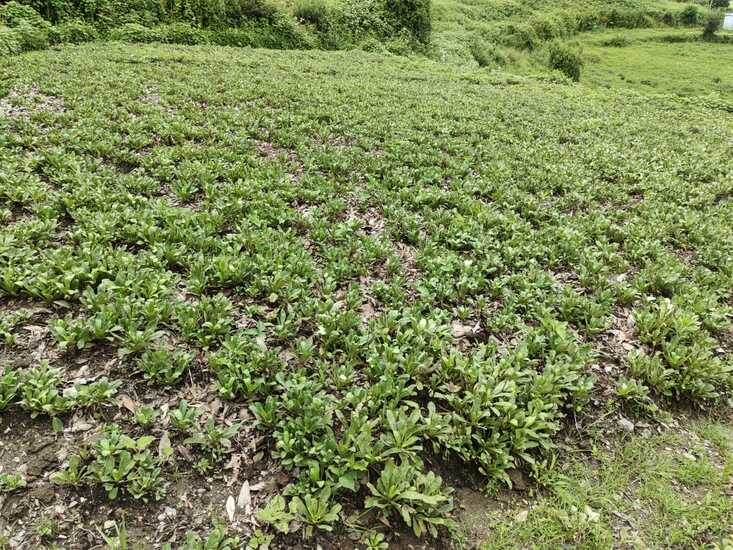
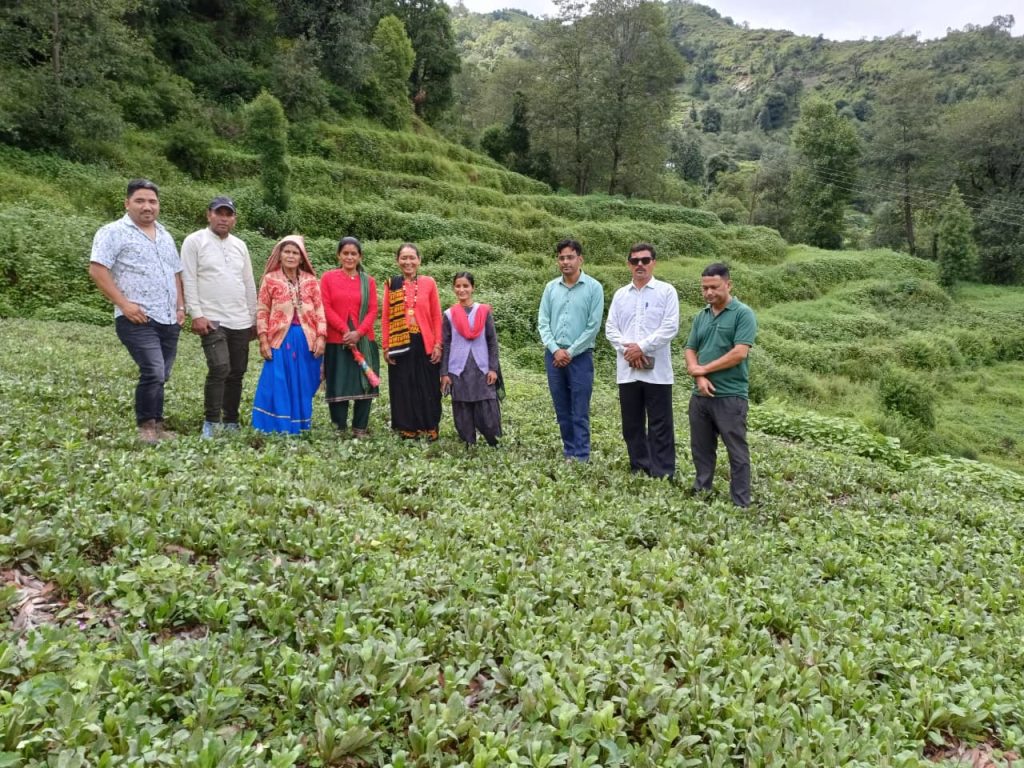
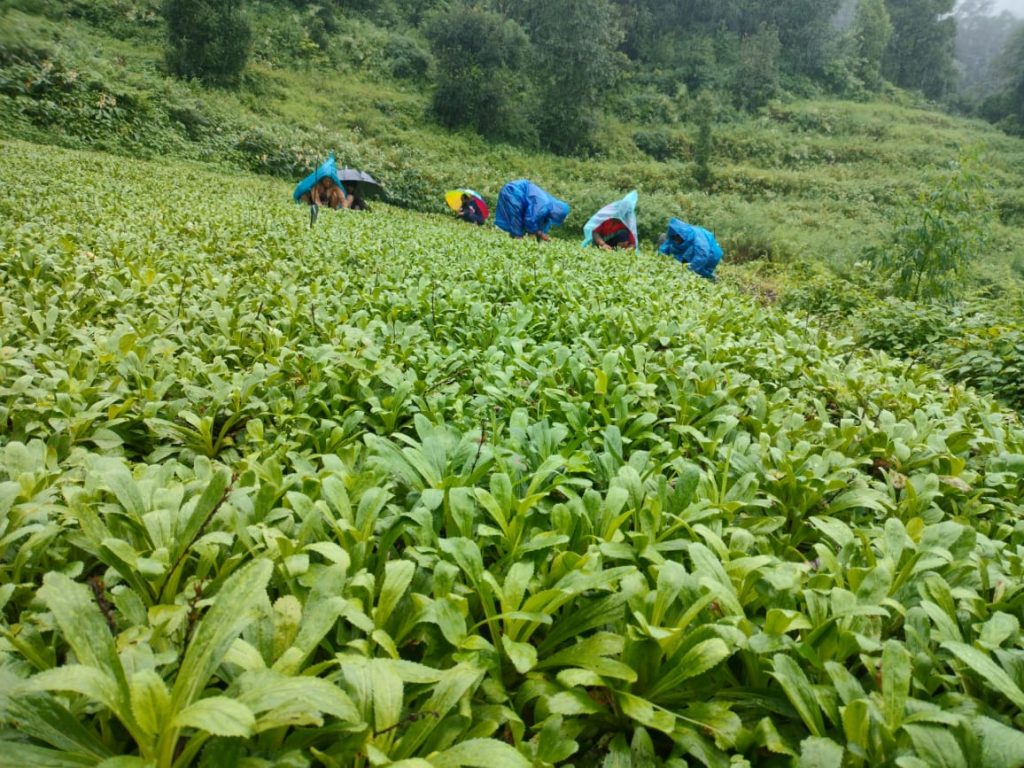
After studying multiple options, the administration zeroed in on Kutki, a high-value medicinal plant known for its therapeutic properties, especially for liver health, and even beneficial in serious ailments like cancer and lung conditions.
Naturally suited to high altitudes, Kutki offered something rare:
- High income potential
- Minimal maintenance
- Strong resistance to animal attacks
“In hilly regions, monkeys and wild boars destroy most crops. But Kutki is unaffected. Once planted, farmers don’t need to constantly monitor it,” Konde notes.
Even snowfall, often seen as a challenge, actually supports its growth.
FROM SMALL BEGINNINGS TO LARGE-SCALE VISION
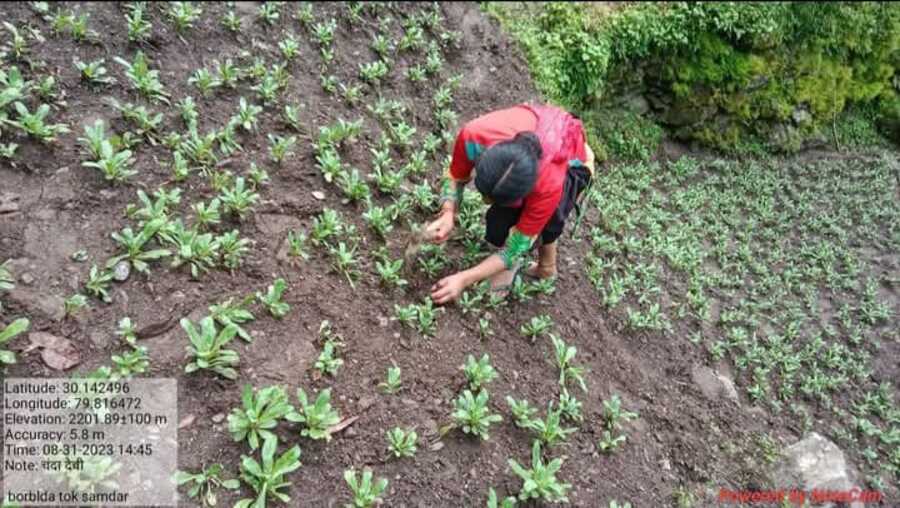
What began as a small effort 2–3 years ago is now expanding rapidly.
Under Konde’s leadership, a massive plantation plan has been designed: 11 lakh Kutki plants across 10 hectares for 2026–27.
But this isn’t just about scale. It’s about creating a system that delivers consistent income.
“After three years of plantation, the crop starts generating income every year. That’s what makes it sustainable for farmers,” she says.
WOMEN AT THE CORE OF THE MOVEMENT
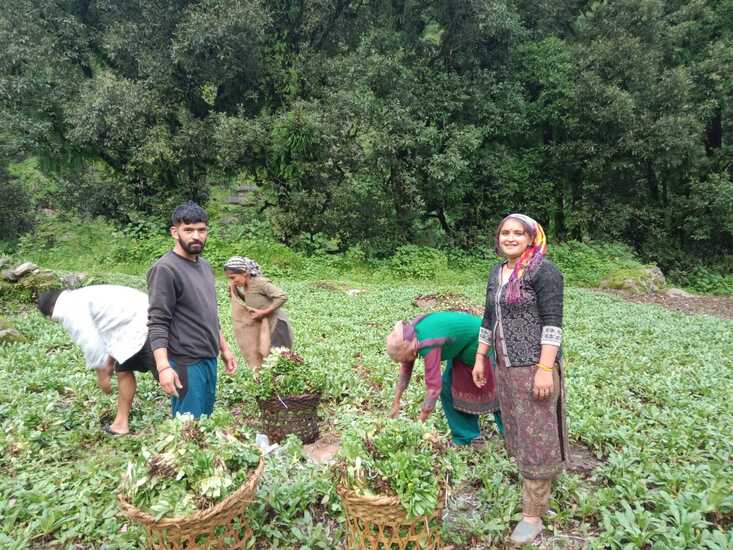
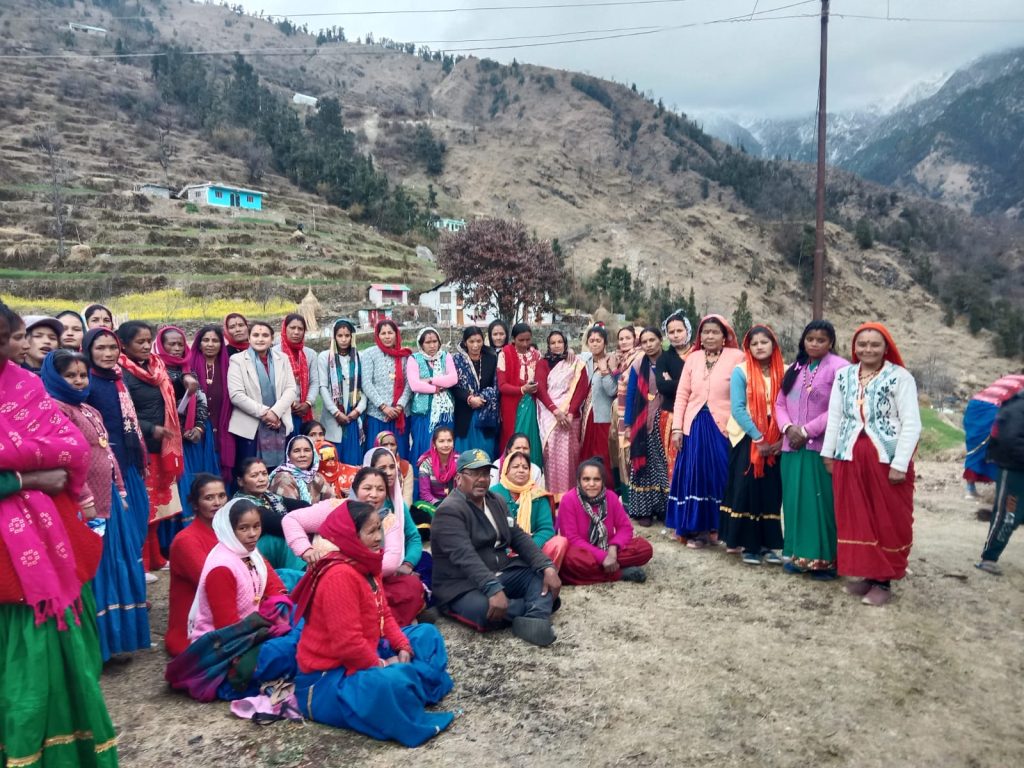
One of the most striking aspects of this initiative is the role of women.
Self-Help Groups (SHGs) have been strengthened, and their participation has grown significantly. Today:
- Around 300 women are directly involved
- Some SHGs are earning up to ₹55 lakh annually
A powerful example is that of a local woman entrepreneur, whose success was even covered by the mainstream media. She earns nearly ₹20 lakh a year and works with 50–60 women, building a strong local supply chain.
“We are now increasing both the number of women and the land under cultivation. The goal is to create an economic shift driven by medicinal plants,” Konde told Indian Masterminds.
BUILDING A MARKET THAT ALREADY EXISTS
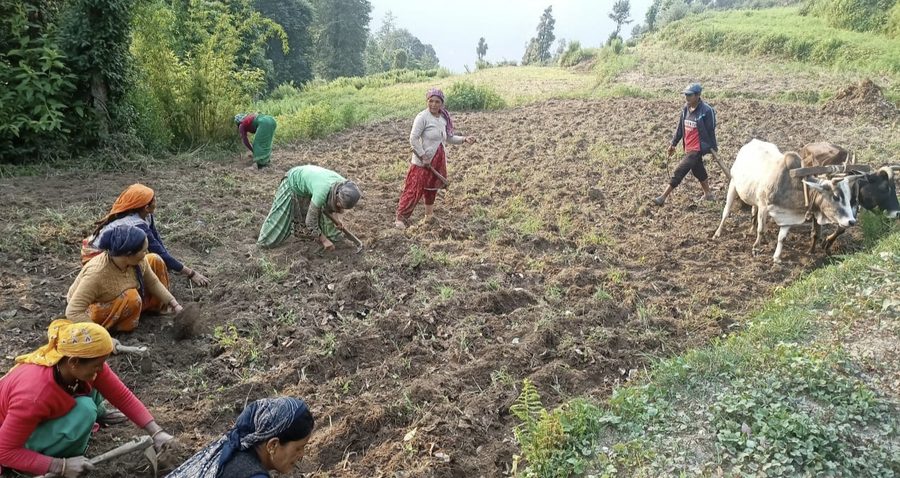
Unlike many agricultural initiatives that struggle with selling produce, this one flips the challenge.
“Market is not the issue, supply is,” Konde says clearly.
Farmers have been connected to:
- Major companies like Patanjali and IMPCL
- Medicinal plant mandis in Uttarakhand, including Ramnagar
- Direct markets in Delhi
- Export channels via Kolkata
This multi-layered supply chain ensures that produce flows seamlessly from farms to national and international markets.
SOLVING CHALLENGES AT THE GRASSROOTS
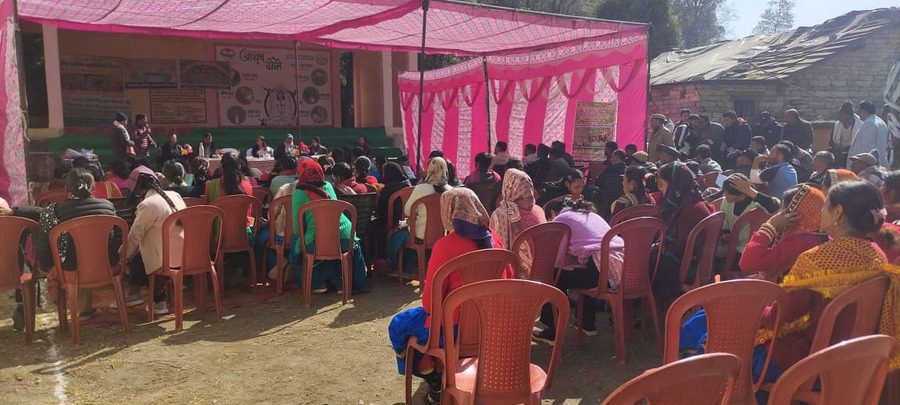
The journey wasn’t without hurdles. When the initiative began, awareness was low and adoption was slow.
Konde and her team took a hands-on approach, visiting villages, holding meetings, and addressing concerns directly.
“The main issues were land development and quality planting material. Even a 5–10% failure in planting material affects farmer confidence,” she explains.
Step by step, these gaps were addressed:
- Reliable sourcing of planting material
- Training in compost preparation using biodegradable methods
- Full backend support for farmers
“When you support the entire process, from start to finish, problems get solved,” she adds.
A MODEL WITH ALMOST NO COST, ONLY GAINS
Perhaps the most compelling part of this initiative is its economics.
- Planting material: Free
- Land development: Supported
- Labour: Covered under MGNREGA
For farmers, this means minimal investment and steady returns.
“A normal family can easily earn ₹1.5 to ₹2.5 lakh annually with very little effort. At the end of the day, they are only earning,” Konde says.
Add to that the near-zero risk of crop failure, and the model becomes even more attractive.
FARMING THAT WORKS WITH NATURE, NOT AGAINST IT
At its core, this initiative is not just about income; it is about balance.
“It is one of the most sustainable and ecologically strong crops we can promote in this region,” Konde says.
By using barren land, promoting biodiversity, and reducing dependency on traditional crops vulnerable to wildlife, medicinal farming is quietly reshaping both the economy and the ecology of Bageshwar.
A GROWING MOVEMENT IN THE MOUNTAINS
What is unfolding in Bageshwar is more than a local success story. It is a scalable model, one that shows how policy, local participation, and natural resources can come together to create lasting impact.
With more land being brought under cultivation and more women joining the movement, the hills are not just growing plants, they are growing possibility.