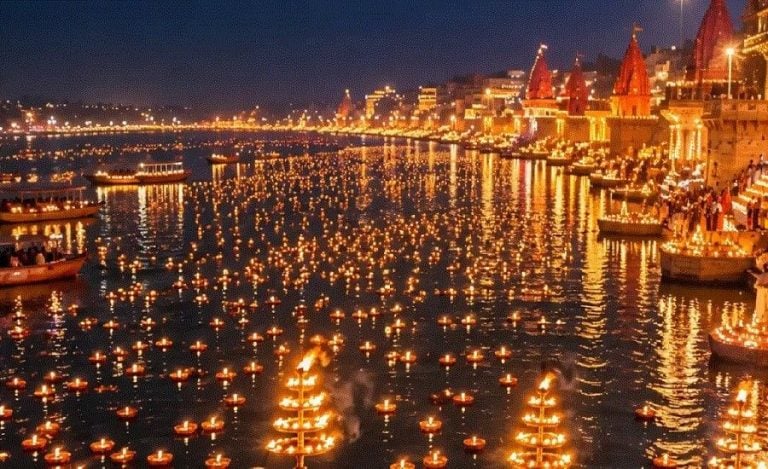
Long before modern water supply systems became part of urban life, traditional wells served as important sources of water for communities across Varanasi. Beyond their functional role, these structures were closely connected to the city’s neighbourhoods, social traditions and cultural landscape.
Over time, rapid urbanisation, neglect, garbage accumulation and inadequate maintenance pushed many of these historic structures into disuse. Several wells that had once sustained local communities gradually became forgotten features of the city’s landscape.
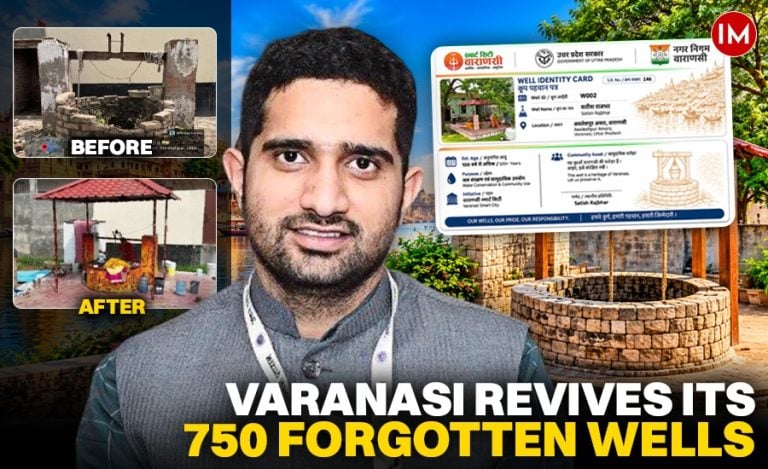
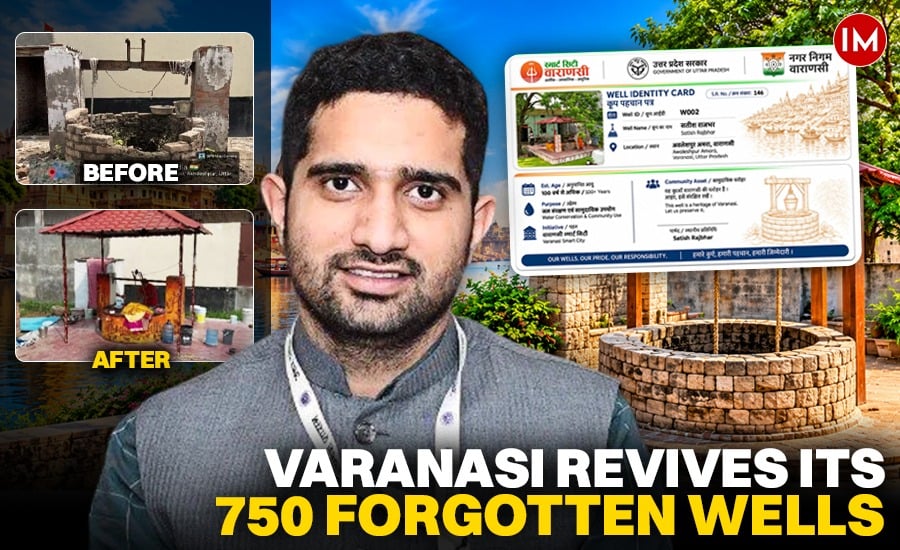
Recognising their historical and environmental significance, Varanasi undertook an initiative to restore these neglected water structures. Under the Well Rejuvenation Initiative, 750 traditional wells have been rejuvenated, combining physical restoration with measures for groundwater conservation and heritage preservation.
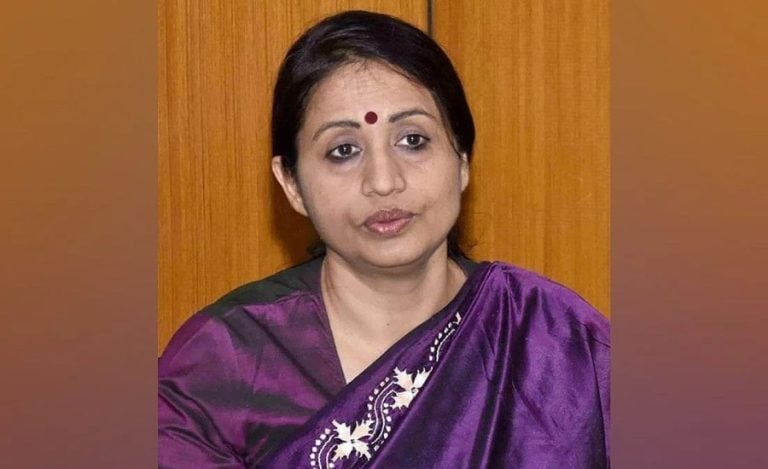
The initiative was undertaken during the tenure of IAS Himanshu Nagpal (2019 batch, Uttar Pradesh cadre) as Municipal Commissioner, Varanasi. He is currently posted as Municipal Commissioner, Ghaziabad.
Unlike conventional restoration drives, the project also focuses on documenting these structures individually, ensuring that their location, identity and restoration history can be traced for future maintenance.
Restoring 750 Traditional Wells Across Varanasi
The restoration began with identifying traditional wells that had fallen into disuse. Many had accumulated garbage, debris and silt, affecting their condition and surroundings.
The rejuvenation work involved cleaning and desilting the structures, improving their surroundings and undertaking beautification to make them cleaner and more accessible. Attention was also given to improving their potential for groundwater recharge.
The objective extended beyond bringing old structures back into better physical condition. It was equally about ensuring that restored wells remained part of the city’s civic and environmental assets.
“We wanted to ensure that these traditional water structures were not merely restored once and subsequently forgotten but remained identifiable and traceable civic assets,” IAS Officer Himanshu Nagpal shared with Indian Masterminds.
The approach recognises that traditional water infrastructure can continue to hold value even as cities expand and modern water supply systems become more widespread.
Every Well Gets a Unique Digital Identity
A distinctive feature of the initiative is the digital documentation of all 750 rejuvenated wells.
Each well has been individually geotagged, digitally referenced and assigned a unique identification number. This creates a separate digital identity for every structure, allowing its exact location and restoration details to be recorded.
The documentation also seeks to preserve information about the historical significance and local identity associated with these wells.
“The documentation also seeks to preserve the legacy and history associated with each structure, including its historical significance and local identity,” Mr Nagpal explains.
This system provides the administration with a structured record of traditional water assets. It can support future inspections, maintenance planning and monitoring, reducing the possibility of restored structures being overlooked again.
The combination of physical rejuvenation and digital asset management also offers a practical approach that other urban local bodies can consider while documenting and conserving traditional infrastructure.
Linking Heritage Conservation with Water Security
The initiative also highlights the relevance of traditional water structures in contemporary urban planning.
As urbanisation increases and groundwater resources face growing pressure, restoring existing water infrastructure can complement modern water management efforts. Traditional wells, which once formed an important part of local water systems, offer an opportunity to revive community-level water conservation practices.
By focusing on cleaning, desilting and improving the condition of these structures, the project seeks to strengthen their potential contribution to groundwater recharge.
More importantly, it brings environmental sustainability and heritage conservation into the same administrative framework. The wells are being recognised not simply as historical structures but as assets with potential ecological value.
This approach reflects a broader understanding of urban development, where preserving existing resources is as important as creating new infrastructure.
Kashi’s Past as a Resource for Its Future
The rejuvenation of 750 traditional wells marks an important effort to bring Varanasi’s neglected water heritage back into public attention.
For a city whose history and identity are closely connected with its traditional landscape, preserving these structures also means retaining a record of how earlier generations managed and valued local water resources.
The initiative demonstrates how civic administration can use restoration, technology and environmental planning together to protect such assets. While physical rejuvenation has improved the condition of the wells, digital documentation provides a foundation for their continued identification and maintenance.
By bringing together heritage preservation and contemporary water management, Varanasi’s Well Rejuvenation Initiative offers a reminder that sustainable urban development does not always begin with building something new. It can also begin by restoring what a city already has and ensuring that its value is carried forward for future generations.