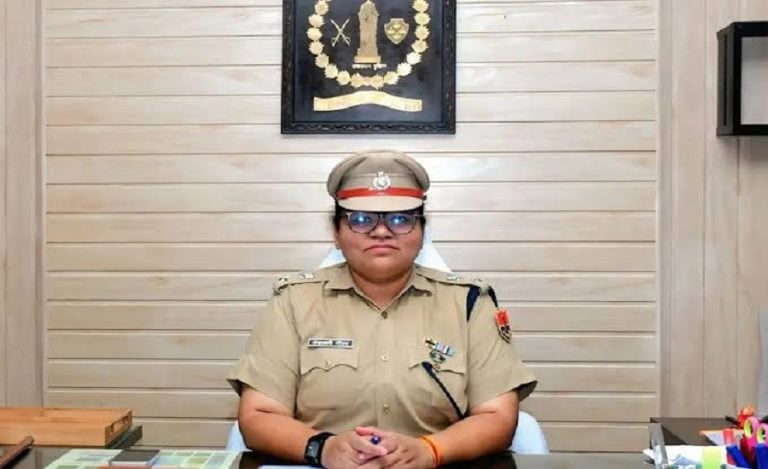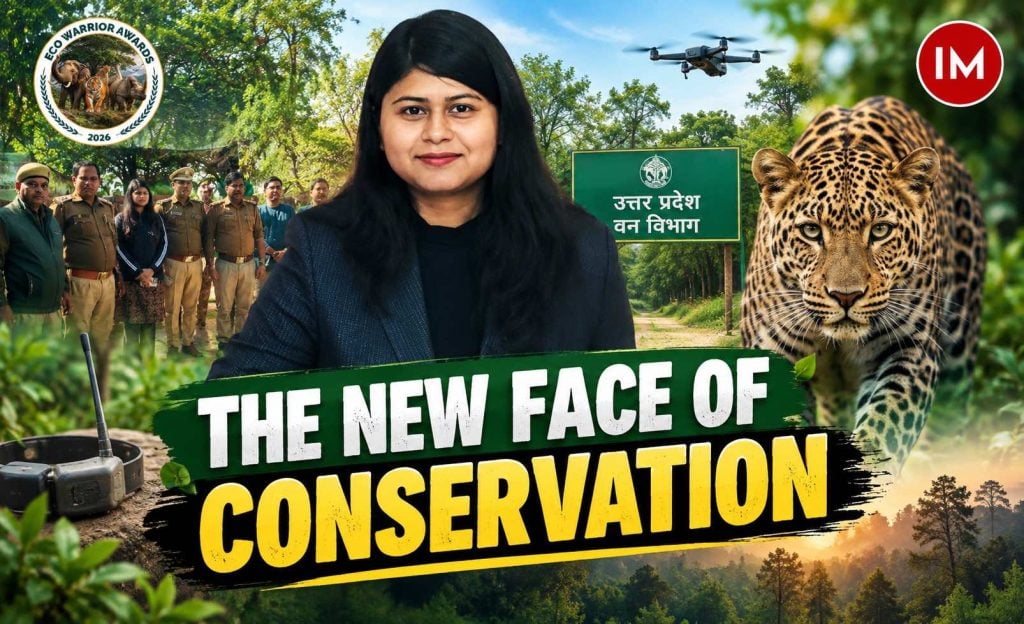
In the forests of North Kheri, conservation is increasingly being shaped by a new generation of forest leadership – one that brings together technology, scientific intervention and the wisdom of local communities. At the forefront of this approach is Ms Kirti Chaudhary, Indian Forest Service (IFS) officer of 2023 batch from the UP cadre, whose work in the buffer zone of Dudhwa has sought to make human-wildlife coexistence safer and more sustainable.
From pioneering the first radio-collaring of a conflict leopard in Uttar Pradesh and experimenting with AI-enabled surveillance to using thermal drones, solar lighting and elephant-proof trenches, her approach has focused on anticipating conflict rather than simply responding to it. At the same time, she has worked to reclaim encroached forest land, improve habitats and build a strong network of local people who can act as the first line of support during wildlife emergencies.
Indian Masterminds interacted with Ms Kirti, Divisional Forest Officer, North Kheri (Buffer Zone) Forest Division, to understand the challenges she encountered and the initiatives she undertook during her tenure.
How It Started: A Landscape Where Forest Meets Sugarcane
Ms Kirti took charge of the division in October 2025. It was also the beginning of the sugarcane harvesting season – a period when human-wildlife conflict traditionally intensifies across the landscape.
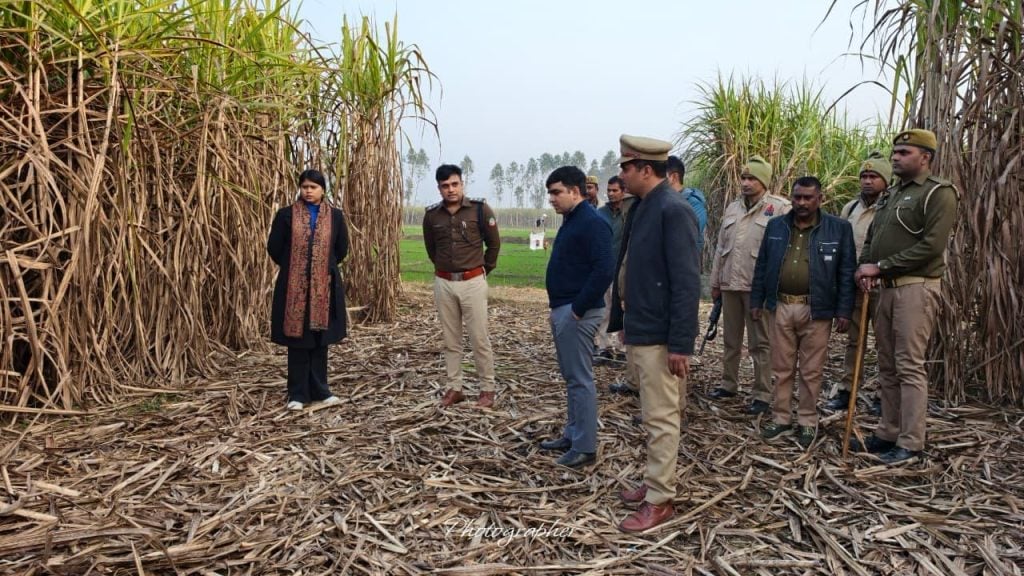
The geography of Lakhimpur Kheri makes the challenge particularly complex. Sugarcane fields stretch right up to forest fringes and villages, often making it difficult to distinguish where agricultural land ends and the forest begins. People live close to these fields, while leopards and tigers frequently use the dense sugarcane as shelter.
“Leopards and tigers here are also called sugarcane tigers and sugarcane leopards,” she explained. “Sometimes they are born in the sugarcane, and this is what they consider to be their native home.”
Read Also: How One Forest Officer Used Science, Cyber Intelligence and Law to Take on Tiger Poaching
With conflict already emerging when she joined, she decided that the immediate priority had to be protection.
“Our first priority should be protection,” she said, explaining that the scale of the problem demanded preventive action rather than waiting for incidents to occur.
Protection First: Turning Villagers into Partners
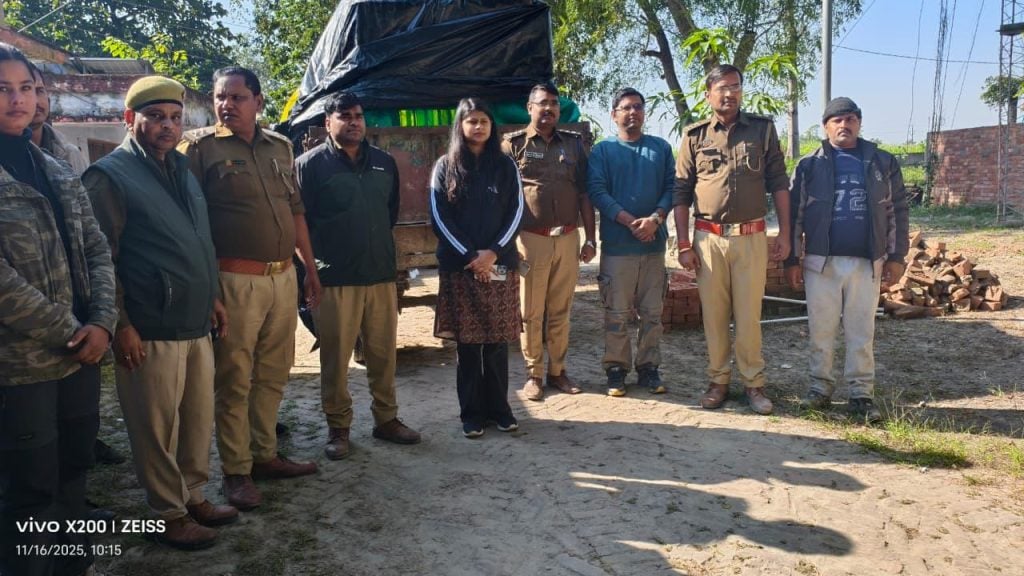
The first major intervention focused on Mailani Range, where sugarcane harvesting presented a serious risk of encounters between farmers and wildlife.
Rather than relying only on forest personnel, the division brought villagers and farmers into the protection strategy. Forest staff were deployed in vulnerable locations while local communities remained involved in guarding areas during harvesting.
She says her position as a young woman officer also helped her connect with communities.
“Since I was new, it was a little easier for me being a female to approach the people,” she said. “So we first involved the people with us. We strengthened the Bagh Mitras.”
The strategy produced an important result. Three people had been attacked by tigers shortly before she joined. But after the intervention, no further incident occurred in Mailani during the sugarcane harvesting period.
The initiative demonstrated a central feature of her conservation model: local communities were not treated merely as beneficiaries or people to be protected, but as active partners.
Scientific Intervention: Tracking a Conflict Leopard
The next challenge was intense leopard movement, particularly in Dhorara. Instead of relying solely on visual sightings and traditional tracking, the division introduced a scientific monitoring approach.
A conflict leopard was radio-collared—the first such initiative in Uttar Pradesh, according to the supplied departmental account.
The purpose was not simply to track an individual animal. It was to understand movement patterns and generate scientific evidence that could improve future conflict-management and release protocols.
The experiment quickly demonstrated its value. After being rescued, the leopard returned to the same location within roughly a month. Because it was radio-collared, the forest team could track its movements and understand where it had gone.
“As we had radio-collared it, we could see where it was currently,” IFS Kirti explained. “After that, there was no conflict with that leopard.”
The experience also prompted the division to rethink the release of rescued animals. Rather than automatically releasing conflict animals back at the same location, the team requested that suitable alternative habitats be considered.
Shivalik, Kaimur and Ranipur Tiger Reserve were among the areas mentioned in connection with such releases.
Reclaiming the Forest: Creating a Buffer for Wildlife
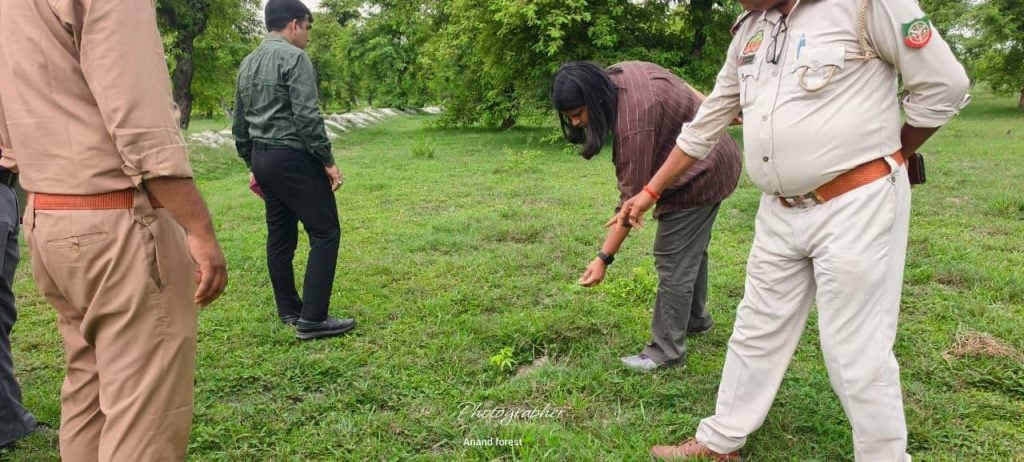
Conflict management, however, could not depend only on rescue and surveillance. Kirti recognised that the condition of the habitat itself had to be addressed.
The division covers nearly 70,000 hectares, of which she noted that around 9,000 hectares were under encroachment. The administration therefore began a reclamation and encroachment-removal drive, with the larger objective of restoring forest cover along the fringe.
“In the fringe, if we can create a forest, these animals will have a good buffer,” she explained. “It will not come back to this area after leaving the jungle.”
During the 10-month period covered in the report, 33.18 hectares of encroached forest land were reclaimed. A joint survey of 200 hectares was also undertaken in South Nighasan, with eviction action in process. In addition, mutation of 247 hectares of forest land in revenue records was facilitated to strengthen forest-land governance.
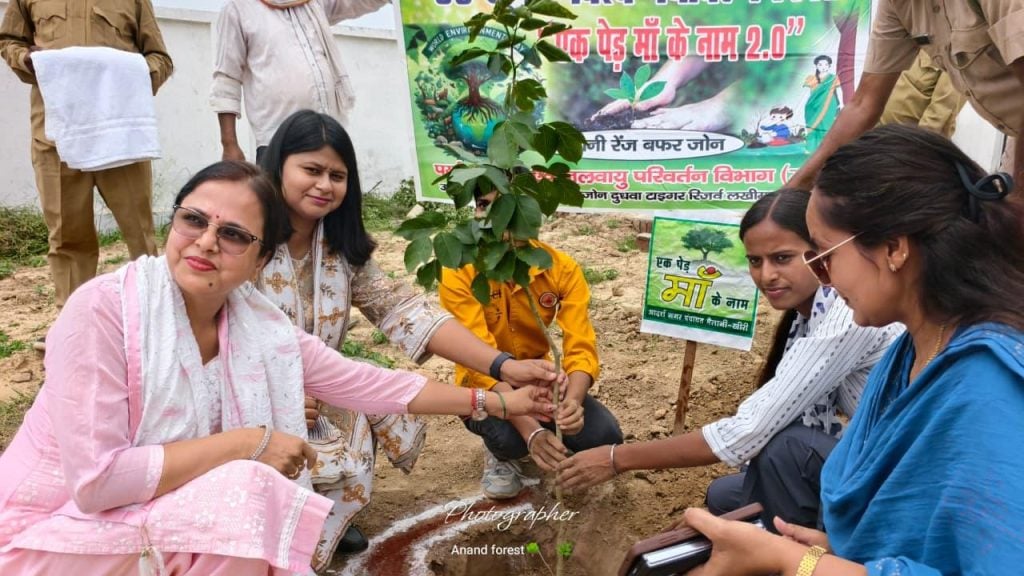
The reclamation drive was followed by plantation and habitat improvement. Soil work for 937 hectares was undertaken for the 2026–27 plantation programme.
Read Also: From Conflict to Conservation: How IFS Manish Singh Is Reimagining Forest Protection in Pilibhit
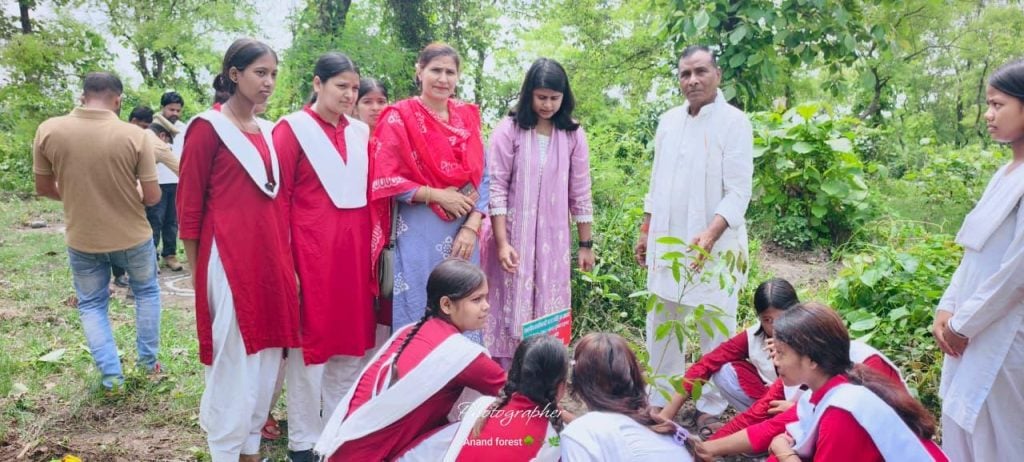
Technology Meets Traditional Knowledge
Ms Kirti’s conservation model does not position technology against traditional knowledge. Instead, she has sought to combine the two.
AI-enabled cameras were installed on a trial basis in the Majhgai area to detect animal movement towards villages and provide advance warnings. Thermal drones and mini-drones were also procured to improve the ability of field teams to detect wildlife presence and movement.
Yet she remains clear that technology is only one part of the solution.
“We had to install some AI cameras at that time, which was also a technological intervention. But I relied more on traditional knowledge,” she said.
That knowledge comes from people living alongside the forest.
“Bagh Mitras are a very good network. Their knowledge is very good. They have very good acumen to judge the movement of the animal – what to do and what not to do.”
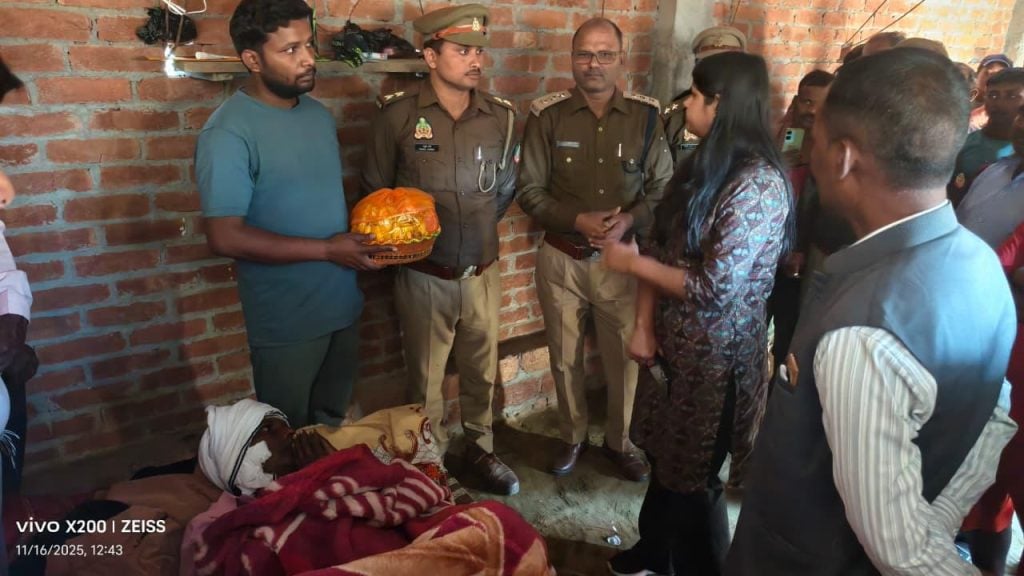
Responding to Emergencies with Courage
The scale of wildlife rescue operations during the period was significant. The division rescued 29 leopards and three tigers during the reported tenure period, compared with eight leopards and one tiger in the previous year. The number of tiger and leopard rescue cages was also increased.
One particularly challenging rescue involved a tiger near Palia. The animal remained close to villages for about a month, with sugarcane fields on one side and a village only around 500 metres away.
“I myself was there,” IFS Kirti recalled. “There was sugarcane on one side. You can see the village at a distance of 500 metres. And the tiger is there. But we monitored it.”
The situation was eventually brought under control without an incident, and the tiger was safely rescued.
Building a Protective Ring Around Villages
Infrastructure became another important pillar of the strategy.
In villages where inadequate lighting at night contributed to conflict, 188 solar lights were installed and 67 existing solar lights were repaired. The division also constructed 29.5 km of elephant trenches to protect villages and agricultural fields from crop damage during elephant movement.
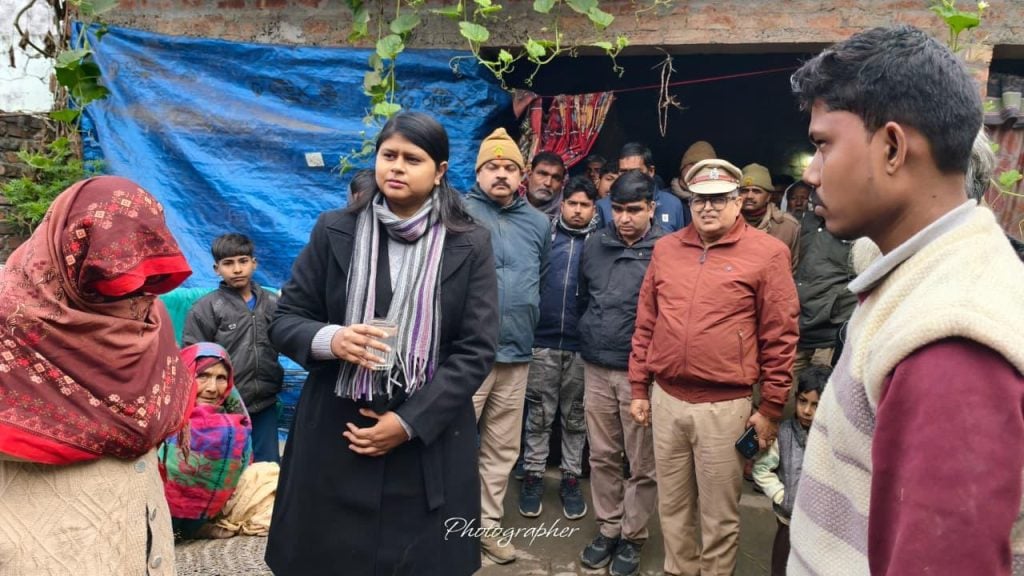
These measures were complemented by sustained awareness programmes in nearby villages and the creation of a structured community network comprising 46 Bagh Mitras and 26 Gaj Mitras.
The idea was simple but powerful: the closer the response network is to the people and wildlife, the quicker and safer conflict can be managed.
Beyond Conflict: Strengthening the Forest Ecosystem
The work in North Kheri extends beyond immediate conflict mitigation. The division has also been working on water-related infrastructure, grasslands and fire lines to improve habitat conditions.
At the same time, external resources were mobilised for conservation and rapid-response operations. WWF provided two Bolero Camper vehicles to support field operations.
Administrative efficiency was also addressed, with 60 obsolete departmental vehicles—39 four-wheelers and 21 two-wheelers—disposed of to improve asset management and resource utilisation.
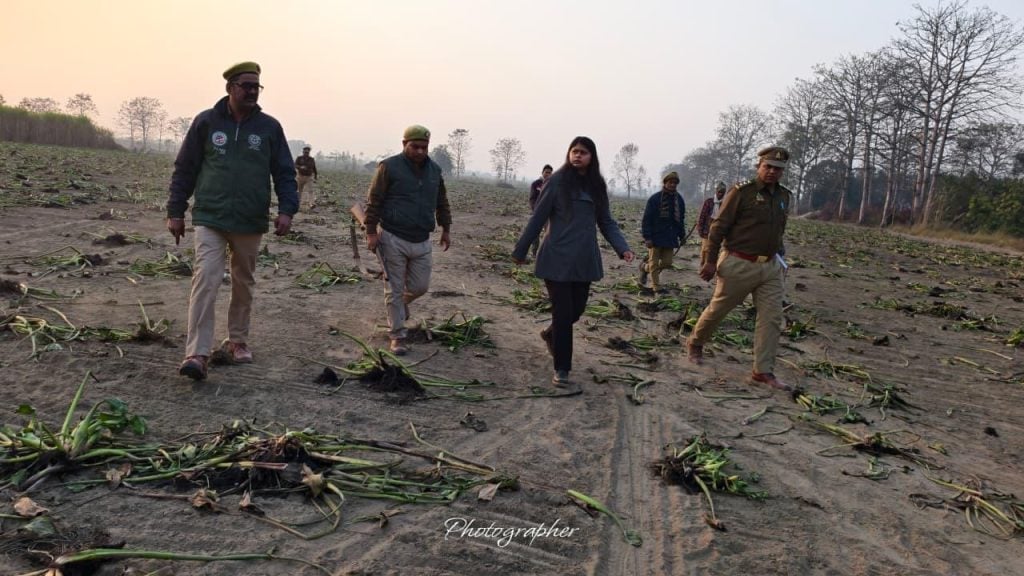
A Model Built on Coexistence
Kirti’s first posting has been brief, but the approach emerging from North Kheri reflects a broader shift in conservation thinking.
Her strategy rests on three interconnected priorities: protect people and wildlife, reclaim and protect forest land, and improve habitat. Technology adds another layer by making wildlife movement more predictable, while local communities provide knowledge and rapid support on the ground.
“So we worked on these three things—first of all, protection, in which we will involve and engage the communities; second was reclamation; and third was that we should improve our habitat,” she said. “And in the same way, we kept going. So we are still in the process.”
That unfinished sentence is perhaps the most revealing part of the story. Conservation is not a one-time intervention. It is a continuing process of understanding landscapes, restoring habitats, earning community trust and adapting to new challenges.
In North Kheri, the young officer’s work demonstrates how scientific tools, administrative action and community knowledge can converge around one common objective: ensuring that the forest remains a safe home for wildlife without turning its neighbouring villages into zones of fear.