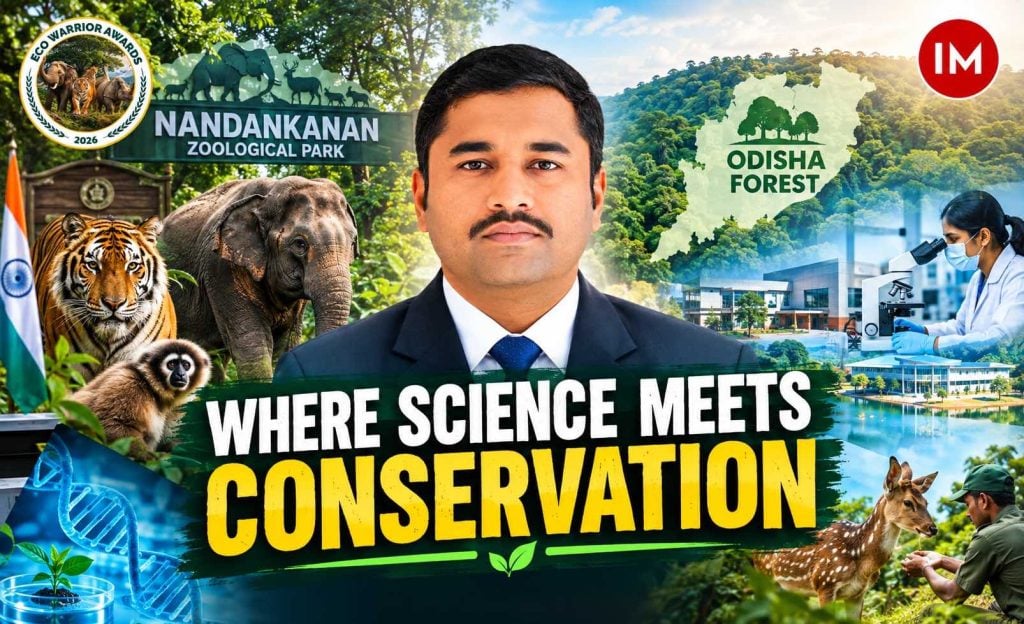
Wildlife conservation today demands far more than protecting animals within enclosures. It requires science-driven population management, specialised healthcare, genetic diversity, habitat restoration, research, technology and meaningful public participation.
At Nandankanan Biological Park in Odisha, Sanath Kumar N., an Indian Forest Service (IFS) officer of 2012 batch from the Odisha cadre, worked towards bringing these diverse components together under a unified conservation framework. During his tenure as Deputy Director from 2023 to 2025, the institution strengthened its animal collection from 161 to 179 species, introduced new bloodlines across 28 species, expanded conservation breeding, upgraded veterinary and research facilities, supported wildlife rescue and rehabilitation, and strengthened conservation education.
The larger objective was to make Nandankanan not merely a place where people see wildlife, but a living institution where science, welfare and conservation work together for species recovery.
Indian Masterminds interacted with IFS Sanath to understand his initiatives at Nandankanan Biological Park and their wider impact on scientific wildlife conservation.
Bringing Different Disciplines Together
For Sanath Kumar, the transformation of a modern zoological institution lies in integrating different areas of expertise rather than treating them as separate activities.
“Modern zoological park management is no longer limited to routine animal care. Animal welfare, conservation breeding, veterinary healthcare, research, habitat management, education and infrastructure have to work together towards a common conservation objective,” he explains.
This approach became the foundation for several initiatives undertaken during his tenure.
One of the most important areas was scientific collection planning and population management. Nandankanan continued to manage more than 4,100 individual animals, while its species collection increased from 161 to 179.
Eleven animal exchange programmes were undertaken with premier zoological institutions. Thirty-three individuals belonging to 10 species were acquired to pair previously single-sex animals, while new bloodlines were introduced into 28 species through planned acquisitions and exchanges involving 105 animals.
The objective was not simply to increase the number of species but to improve the long-term genetic viability of captive populations.
“Collection planning has to be scientifically driven. The objective is not merely to add animals, but to maintain healthy and genetically diverse populations that can contribute to long-term conservation,” says Sanath Kumar.
Among the notable additions was the Smooth-coated Otter, which was reintroduced to Nandankanan after a gap of 25 years.
How It Started: Making Animal Welfare Central to Infrastructure
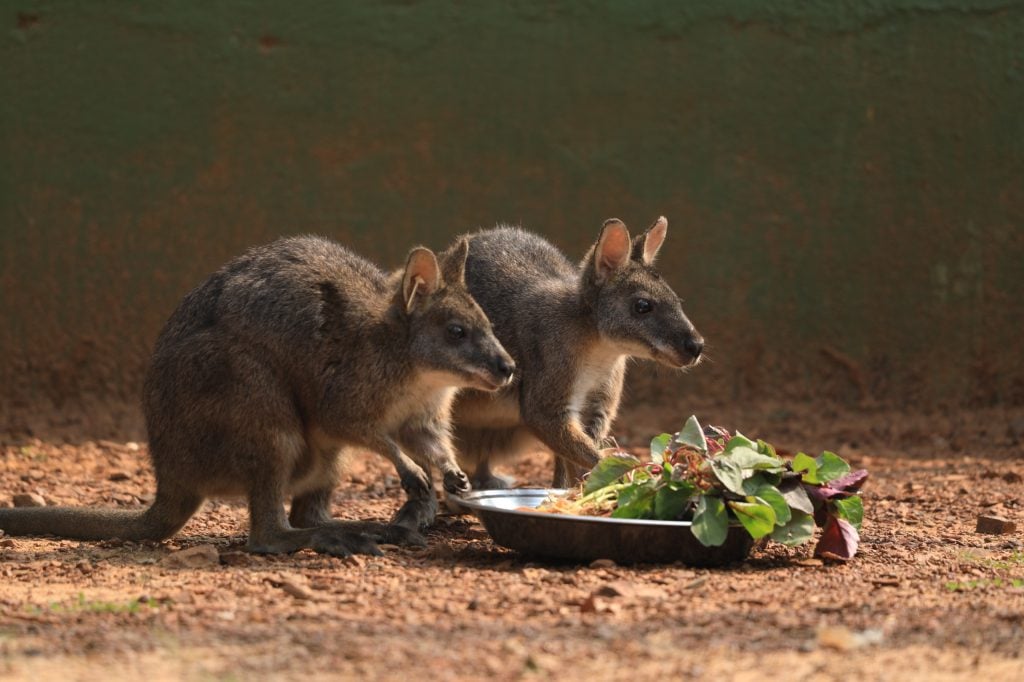
The scientific management of animals also required a corresponding improvement in their living environments.
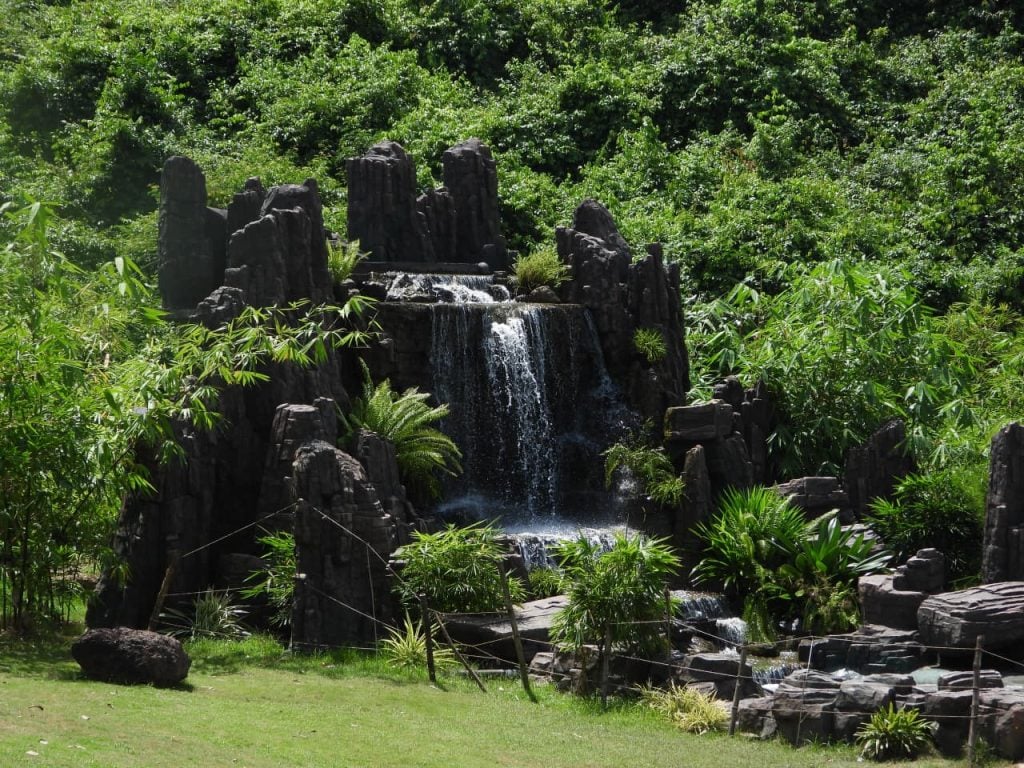
During the period, 23 new naturalistic enclosures were established and seven existing enclosures were substantially upgraded with enrichment measures. The North East Panorama thematic complex, comprising 10 immersive exhibits, and a state-of-the-art Exotic Primate Complex with seven enclosures, feeding chambers and back kraals were developed.
Specialised quarantine facilities for herbivores, reptiles, birds and pangolins were also established to strengthen biosecurity and facilitate the safe acclimatisation of newly acquired animals.
Sanath Kumar says the philosophy behind the infrastructure development was to connect enclosure design with animal behaviour and welfare.
“An enclosure should not be viewed simply as a physical structure. It has to provide for the animal’s behavioural needs, enrichment, safety, healthcare and overall welfare. Naturalistic design helps us move closer to that objective,” he says.
Strengthening Wildlife Healthcare
Veterinary care emerged as another important pillar of the integrated approach.
The veterinary hospital was comprehensively upgraded, while a dedicated Mobile Veterinary Unit was established. More than 20 advanced diagnostic, therapeutic and surgical instruments were procured and additional veterinary personnel were engaged to strengthen specialised and round-the-clock healthcare.
Importantly, veterinary services were also extended beyond the boundaries of the Park.
As many as 241 veterinary camps were conducted in fringe villages. During the period, 220 rescued wild animals received treatment and rehabilitation, while technical assistance was provided in 108 wildlife rescue cases in different parts of Odisha.
Among the notable interventions was the prolonged treatment and rehabilitation of the severely injured elephant calf Asha. Other specialised cases included the hand-rearing of a chimpanzee infant and surgical management of dystocia in a four-horned antelope.
“Wildlife healthcare cannot be separated from conservation. Rescue, treatment, rehabilitation and, wherever possible, successful return to the wild are all part of the conservation responsibility of a modern zoological institution,” the officer explains.
From Captive Breeding to Conservation in the Wild
The conservation breeding programme was closely connected with research and technological interventions.
During the period, 44 individuals belonging to eight threatened species were born through conservation breeding efforts. These included Tiger, Asiatic Lion, Gharial, Indian Pangolin, Mouse Deer, Manipuri Deer and Chimpanzee.
The institution also moved beyond captive breeding by supporting post-release monitoring.
Seven captive-reared gharials were released into the Mahanadi River after being fitted with VHF and satellite transmitters. The technology enabled researchers to monitor their movements and adaptation after release.
Similarly, a radio-tagged Indian Pangolin was released in Similipal Tiger Reserve to study its adaptation, movement and habitat utilisation.
“Release into the wild is not the end of a conservation programme. It is the beginning of another phase in which post-release monitoring helps us understand survival, movement and adaptation,” says Mr Sanath.
Building Research Capacity
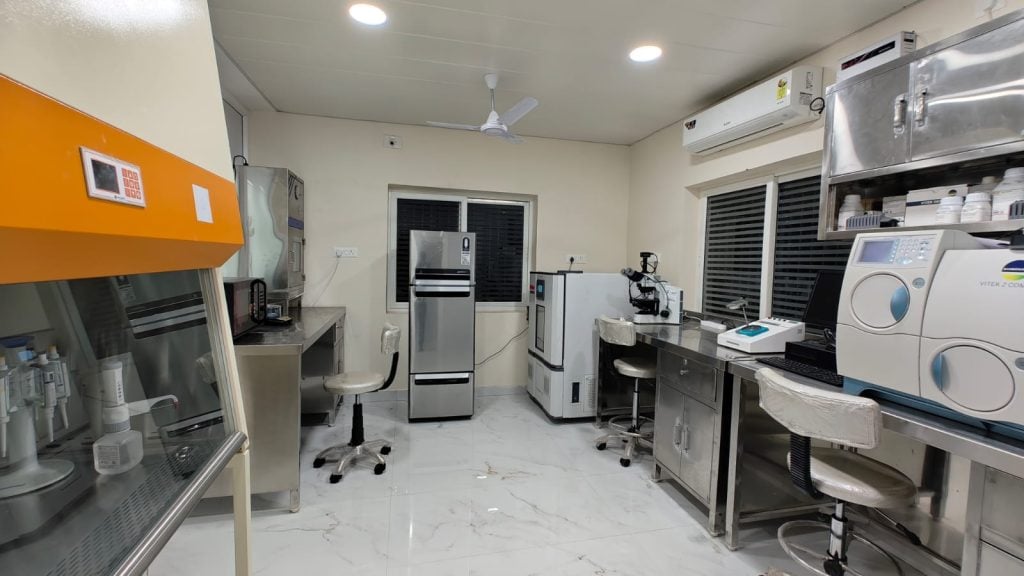
To support such interventions with scientific evidence, the Centre for Conservation Research and Training was strengthened as a multidisciplinary platform for wildlife diagnostics, research, training and biological resource preservation.
Specialised facilities covering microbiology, endocrinology, histology and biobanking were developed, supported by modern molecular diagnostic equipment.
This helped strengthen the institution’s ability to generate and use scientific data for animal healthcare, conservation breeding and wildlife management.
For Sanath Kumar, research is essential for moving conservation from experience-based management towards evidence-based decision-making.
“Conservation increasingly depends on reliable scientific information. The stronger our research and diagnostic capabilities, the better equipped we are to take informed decisions for individual animals as well as species populations,” he says.
Restoring Habitats and Ecosystems
The conservation approach was not restricted to individual animals.
The restoration and rejuvenation of Kanjia and Kiakani Lakes were undertaken to improve aquatic habitat quality and ecological functioning. A 3.1-km drainage outlet was initiated to improve hydrological connectivity and address flooding-related concerns.
An exclusive Horticulture Wing was also established for systematic landscape management, plantation and habitat improvement.
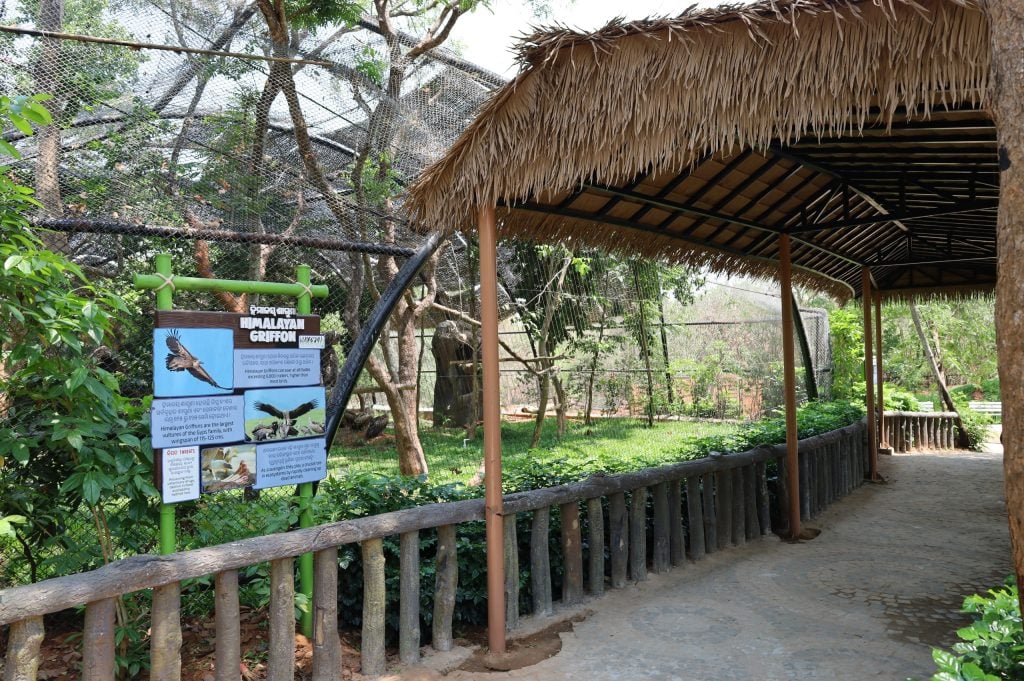
The State Botanical Garden was strengthened through the development of a Bambusetum, Hydrophyte Garden, modern nursery facilities and thematic gardens, creating an interface between botanical conservation, habitat management and environmental education.
Taking Conservation to Students and Visitors
Another major component was public engagement.
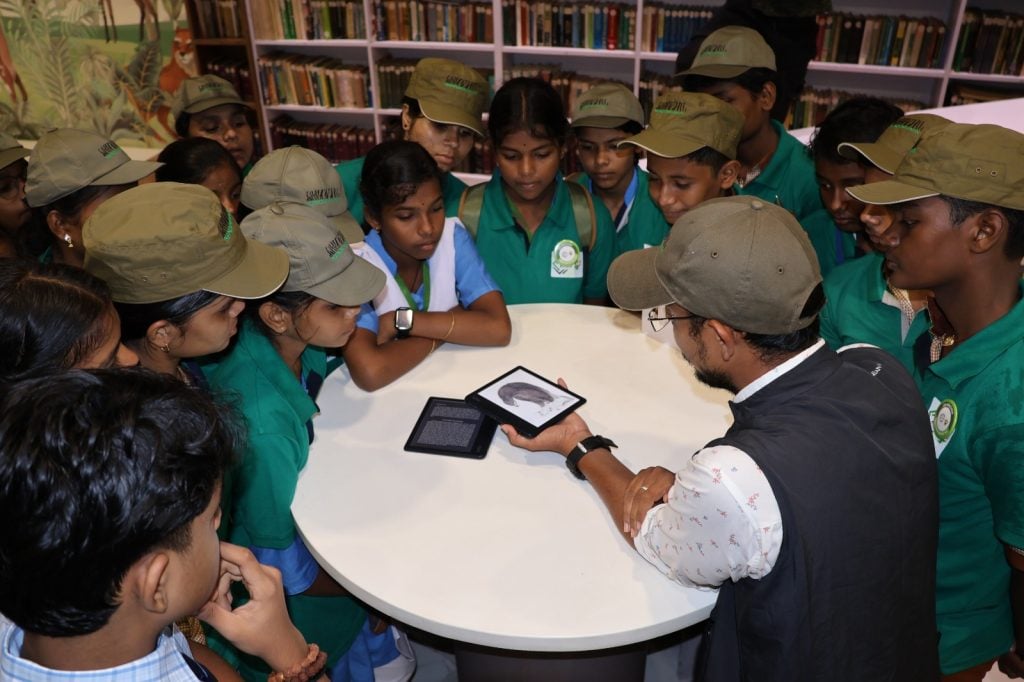
The Zoo Ambassador Programme expanded from 53 to 110 schools, while more than 15,000 students participated in experiential learning programmes. More than 120 volunteers were also engaged through conservation education and interpretation initiatives.
Programmes such as Zoo Volunteers, Budding Birders, One Day at Nandankanan, bird and butterfly walks, nature trails and citizen-science activities helped take conservation beyond conventional visitor interpretation.
“A zoological park has an important educational responsibility. If a visitor leaves with greater curiosity, understanding and respect for wildlife, the institution has contributed to conservation beyond its physical boundaries,” IFS Sanath says.
Institutional Systems for Long-Term Impact
Alongside field-level conservation work, institutional systems were strengthened.
A multidisciplinary Project Management Unit was established to coordinate the planning, execution and monitoring of developmental and conservation projects. Capacity-building programmes, specialised wildlife rescue and disease-management training, staff welfare measures and strengthened security arrangements were also undertaken.
Visitor services were modernised through digital ticketing, improved interpretation and upgraded visitor infrastructure, alongside development of the Zoo Library and Digital Hub.
A Larger Vision for Nandankanan
The significance of Sanath Kumar’s tenure lies not in any single project but in the attempt to make different institutional functions reinforce one another.
Collection planning supported genetic diversity. Better enclosures supported animal welfare. Veterinary infrastructure strengthened rescue and rehabilitation. Research supported conservation breeding and post-release monitoring. Habitat restoration improved ecological conditions, while education and citizen engagement connected the institution with society.
“The ultimate objective is to ensure that every intervention contributes to conservation in some form – whether through better welfare, species recovery, research, habitat improvement or creating greater awareness among people,” he says.
The experience at Nandankanan demonstrates how a zoological park can evolve into something much larger than a traditional wildlife display facility. By harmonising science, technology, animal welfare, conservation breeding, ecosystem management and public participation, the institution has strengthened its role as a centre for wildlife conservation, research and education.
For Sanath Kumar, the underlying philosophy remains simple: when diverse expertise and institutional resources are brought together around a common conservation goal, the impact extends far beyond the boundaries of the zoo—and ultimately serves the species that conservation institutions exist to protect.