For many in Ranchi, getting government work done often meant waiting. Land mutation cases remained pending for months. Complaints got buried in paperwork. Young people chased government jobs without alternatives.
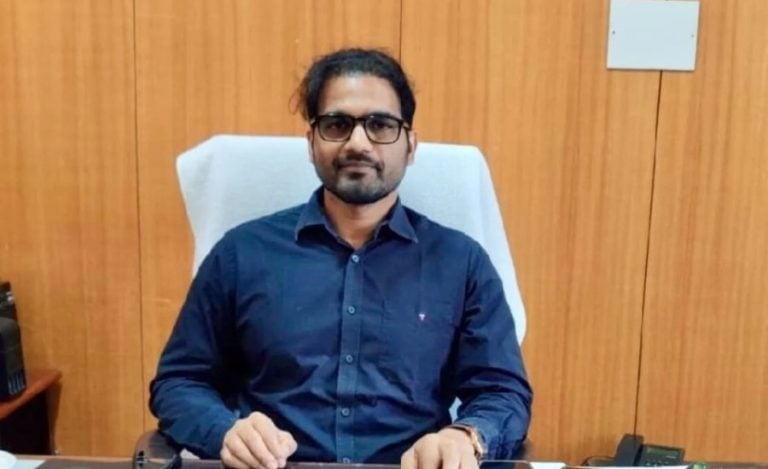
Manjunath Bhajantari saw all of it. And he decided to attack each problem differently. Not with announcements. But with systems.
Also read: How IAS Manjunath Bhajantari is Fixing School Admissions, Fee Hikes and Water Access in Ranchi
CLEARING RANCHI’S LAND MUTATION BACKLOG
Land in Ranchi is complicated. Because of tribal tenancy laws, transferable land is limited. That scarcity has created disputes, manipulation of records and delayed ownership transfers.
Bhajantari noticed one major bottleneck: pending mutation cases, especially for smaller land parcels.
The administration identified all pending mutation cases involving plots of up to 10 decimals. A clear, time-bound process was set. Revenue officials and Circle Officers were ordered to physically inspect these lands and dispose of cases quickly.
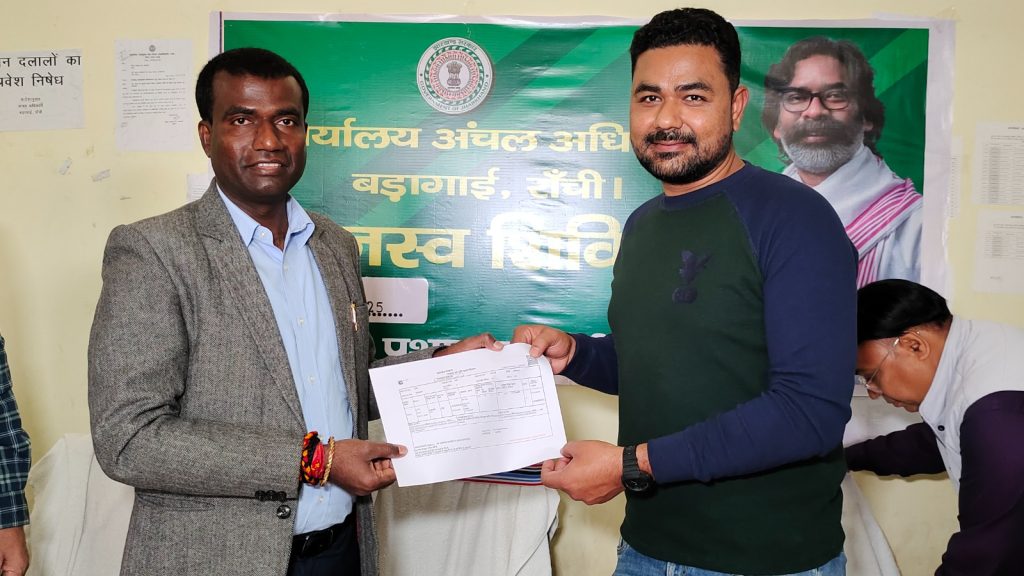
But Bhajantari didn’t keep it inside offices. He took it to camps. Widely publicized mutation camps were organized across circles, with district officers attending.
In some cases, the DC himself was present.
“We held camps, and many commoners whose mutations were pending got their cases disposed of,” he shared in an exclusive conversation with Indian Masterminds.
For middle-class families buying small plots to build homes, it brought immediate relief.
ABUA SATHI: A FASTER COMPLAINT SYSTEM
Bhajantari also saw a familiar problem with grievance portals. They were too complicated. Long forms. Mandatory registrations. Endless details.
So Ranchi built Abua Sathi. A simple district-level grievance portal where any citizen can register complaints without creating an account. Just a mobile phone is enough.
A complaint is filed, registered instantly, and acknowledged through SMS. More importantly, a dedicated team directly under the Deputy Commissioner monitors every complaint through a live dashboard.
“No registration. Just your mobile and your details. It gets registered and monitored directly,” Bhajantari explains.
The result is faster disposal and less bureaucratic friction. For over a year now, the portal has been functioning actively. And for citizens, it has made access easier.
JANATA DARBAR EVERY MONDAY
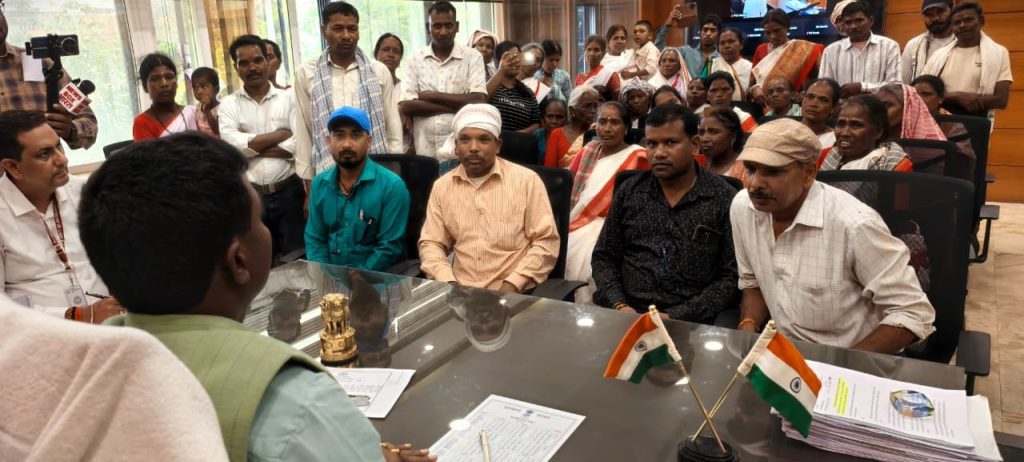
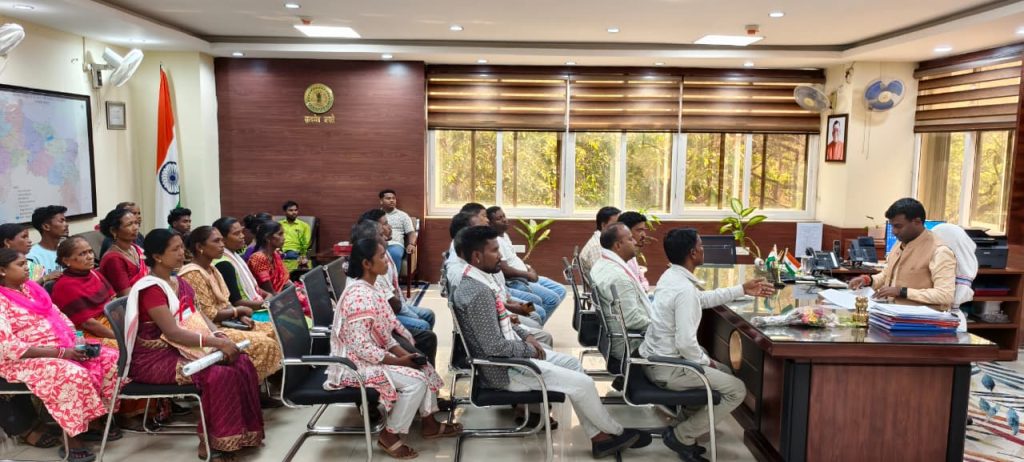
Every Monday at Ranchi Collectorate, thousands gather. This is Bhajantari’s public hearing. A structured Janata Darbar where citizens walk in with their grievances.
What makes it different is the live administrative chain. Circle Officers, BDOs and local officials remain connected through video conference while the hearing is underway. As complaints are raised, instructions are passed immediately.
On Tuesdays, similar hearings are held at block and circle offices. The district keeps records of attendance, applications and disposals. This system has become more than just a grievance forum.
It has become a real-time performance check on what Bhajantari calls the four pillars of field administration:
- Gram Panchayat office
- Police Station
- Circle Office
- BDO office.
If there are failures at any level, they surface directly. And that changes accountability.
A PLAN B FOR JHARKHAND’S YOUTH
Bhajantari believes one of Jharkhand’s biggest youth challenges is not unemployment alone. It is overdependence on government jobs.
“Government jobs are limited. Lakhs of youth prepare for them. Some have to definitely have a Plan B,” he told Indian Masterminds.
That thinking gave rise to the 100 Entrepreneurs Development Program. The district created a portal and invited applications from young people already running small ventures.
These weren’t beginners. They were people already doing something, but stuck. Some needed capital. Some needed branding. Others needed marketing or licenses. Applications were screened by committees involving private sector representatives, bankers, academic institutions and social science experts.
More than 100 young entrepreneurs were shortlisted. The district now mentors them. Support includes market access, branding guidance, licensing help and industry department coordination.
The idea is simple. Help existing efforts grow faster. Many of them, Bhajantari says, are already doing well.
BUILDING SYSTEMS THAT STAY
Across education, land, entrepreneurship and grievances, one pattern is clear. Bhajantari does not just solve one case. He builds a system around it.
A portal. A public lottery. A camp. A dashboard. A hearing room. That’s what makes his work stand out.
Because when systems improve, people stop depending on luck. And in governance, that can change everything.
Also read: How YB Khurania Climbed Every Rung of Policing Before Becoming Odisha’s DGP