In the hill towns of Himachal Pradesh, a leopard claw can be more than a piece of an animal.
For some, it is believed to bring prosperity when worn as a pendant. The belief may sound harmless, but behind such objects can lie a far darker chain: poaching, illegal possession, trafficking and the movement of wildlife derivatives across state borders.
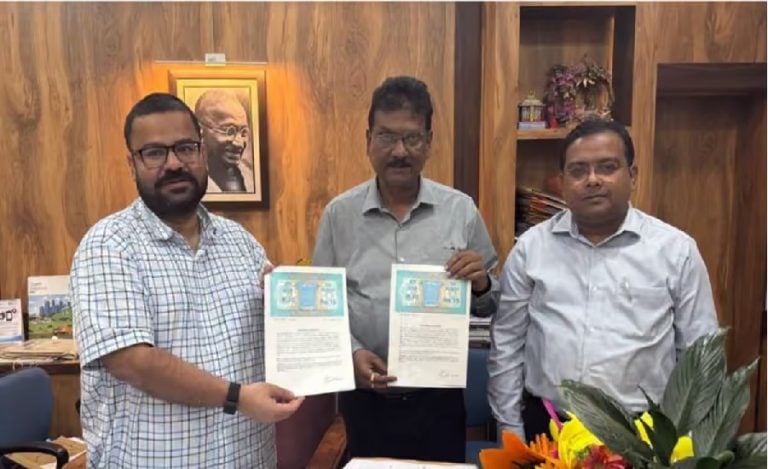
For the 2019 batch Himachal Pradesh cadre IFS officer N Ravisankar Sarma, currently posted as DCF Rohru, that suspicion became the starting point of an investigation that eventually reached across Himachal Pradesh and Uttarakhand.
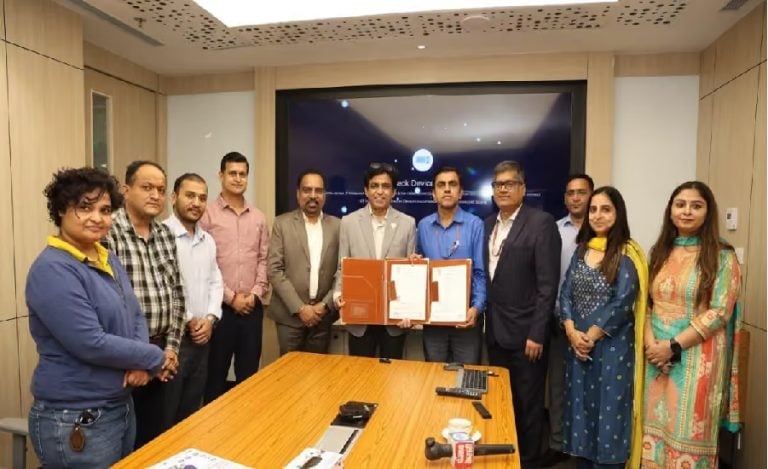
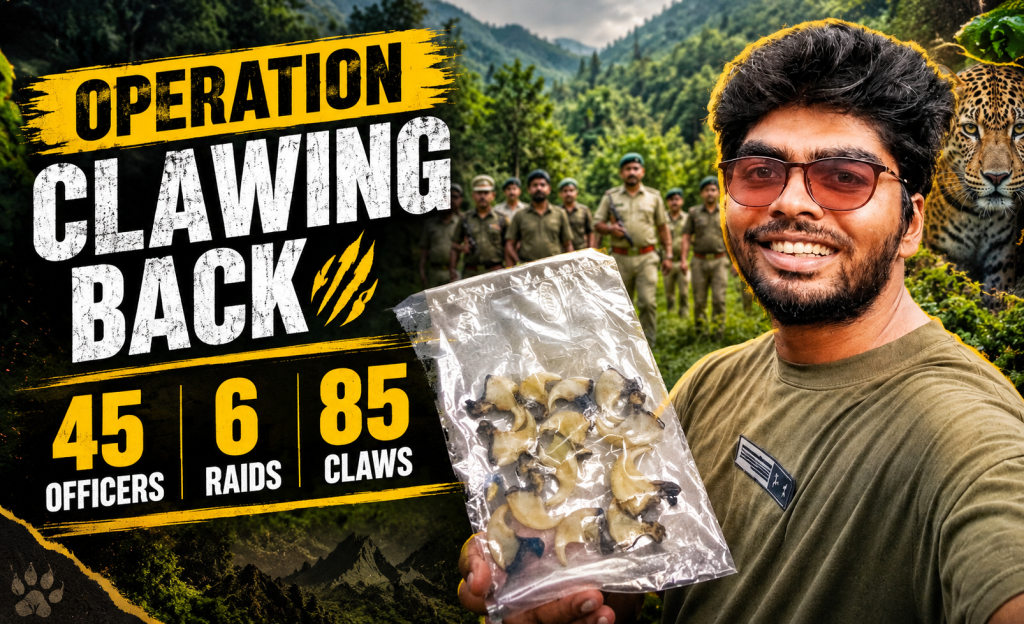
What followed was “Operation Clawing Back”, a tightly planned enforcement operation that brought 45 forest personnel together, targeted six jewellery shops simultaneously and uncovered a network dealing in protected wildlife derivatives.
A Superstition That Pointed to Something Bigger
During his posting in the region, Sarma noticed a local belief prevalent in parts of upper Himachal: leopard claw pendants were considered symbols of prosperity and were sometimes worn for good fortune.
But the presence of such articles raised a much more serious question. How were these claws reaching jewellery shops in the first place?
“There is a certain belief in parts of upper Himachal that using leopard claw pendants can bring prosperity. I noticed this during my posting, and that made me look deeper into who was keeping these wildlife articles. Under the law, such scheduled wildlife articles cannot simply be stored or traded, and their presence also raised the possibility of a poaching racket behind them,” Sarma shared in an exclusive conversation with Indian Masterminds.
The forest team began gathering information from the town and surrounding areas. Intelligence was collected, leads were followed and potential locations were identified.
Eventually, the information became credible enough to act. The operation was planned for February 10, 2026.
Six Shops, Six Teams, One Coordinated Strike
Sarma knew that the operation had to be quick. A prolonged enforcement exercise could give suspects time to communicate, destroy evidence or move the wildlife articles elsewhere. The plan, therefore, was deliberately short, targeted and simultaneous.
At around 9 am, Sarma briefed the forest personnel. The gathering had been arranged under the pretext of a workshop, helping maintain secrecy until the last possible moment.
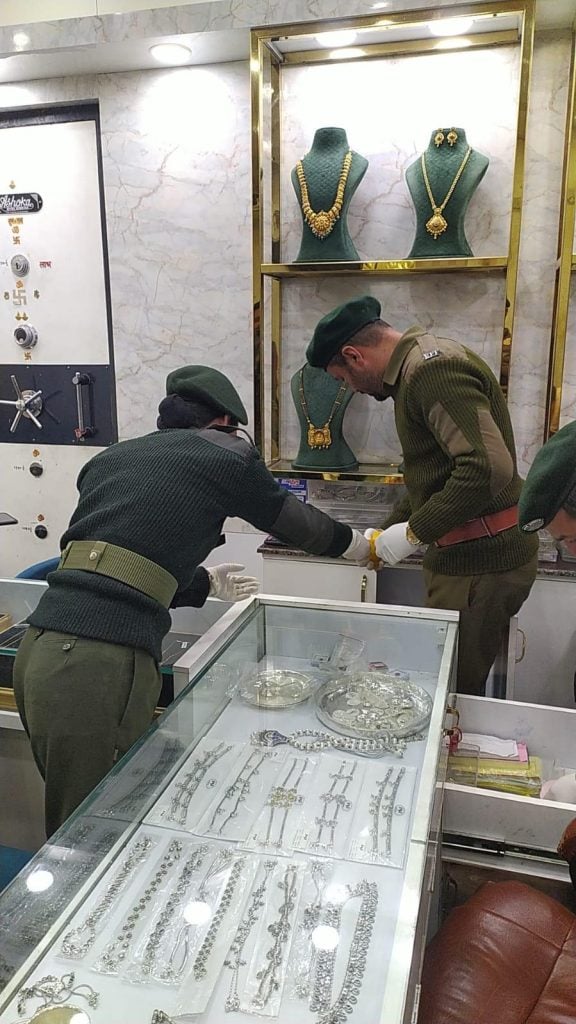
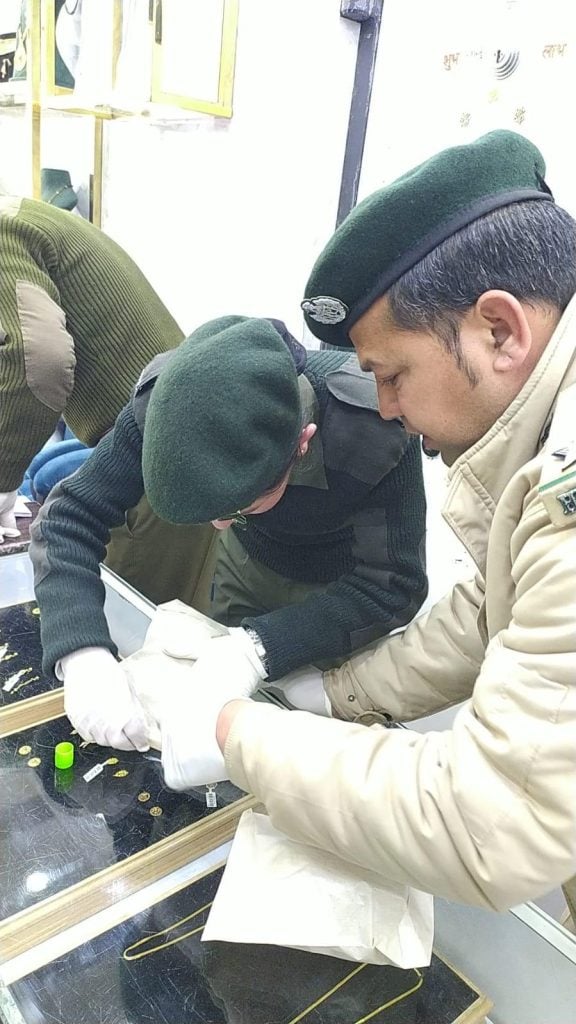
Within an hour, 45 personnel had been organised into six teams. At 10 am sharp, the teams were dispatched to six identified locations in Rohru and Shimla. Around 10:15 am, the raids began at the jewellery shops.
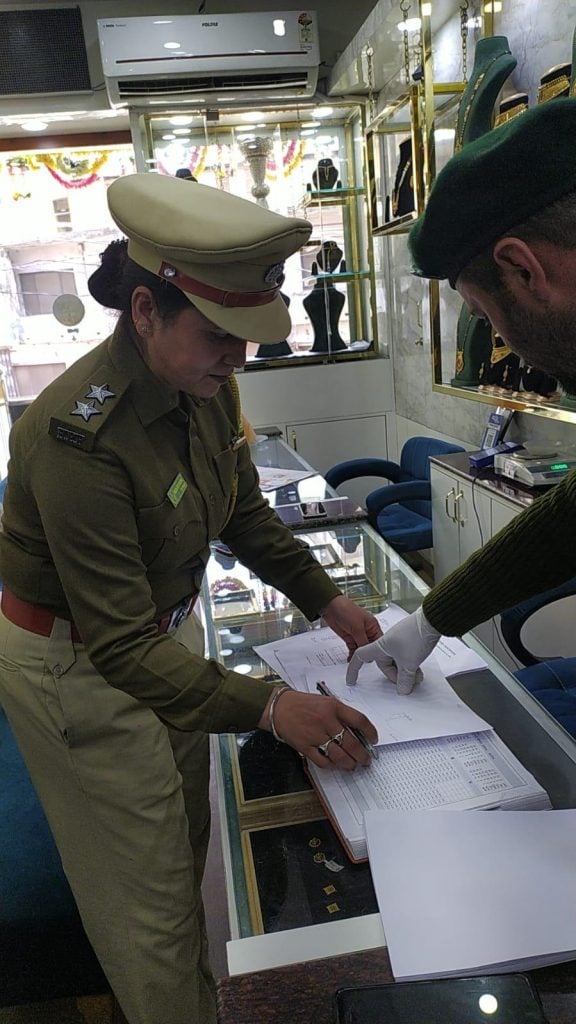
Most of the searches were completed within two to three hours. One location took nearly four to five hours because of the large number of wildlife articles that had to be examined and seized.
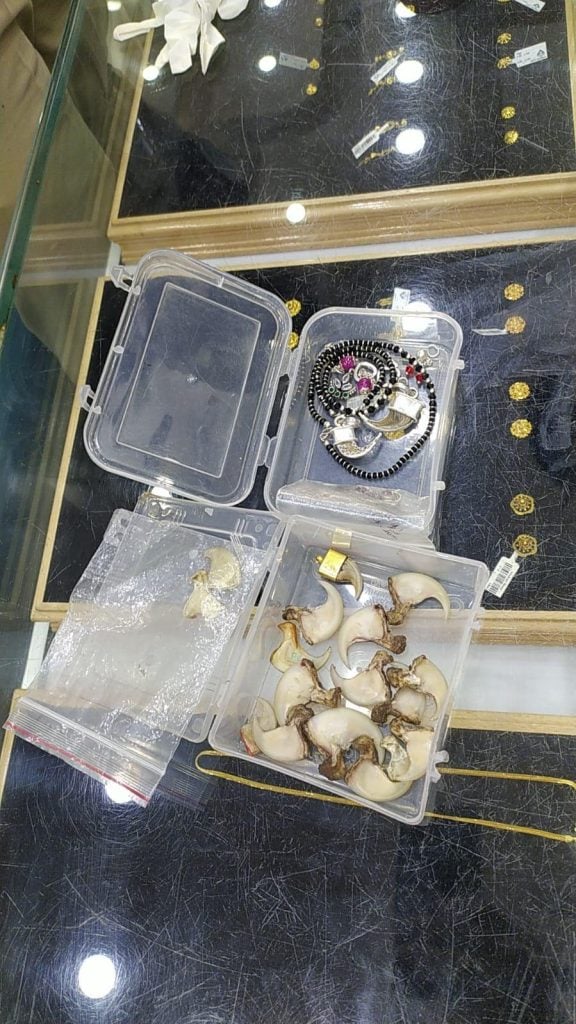
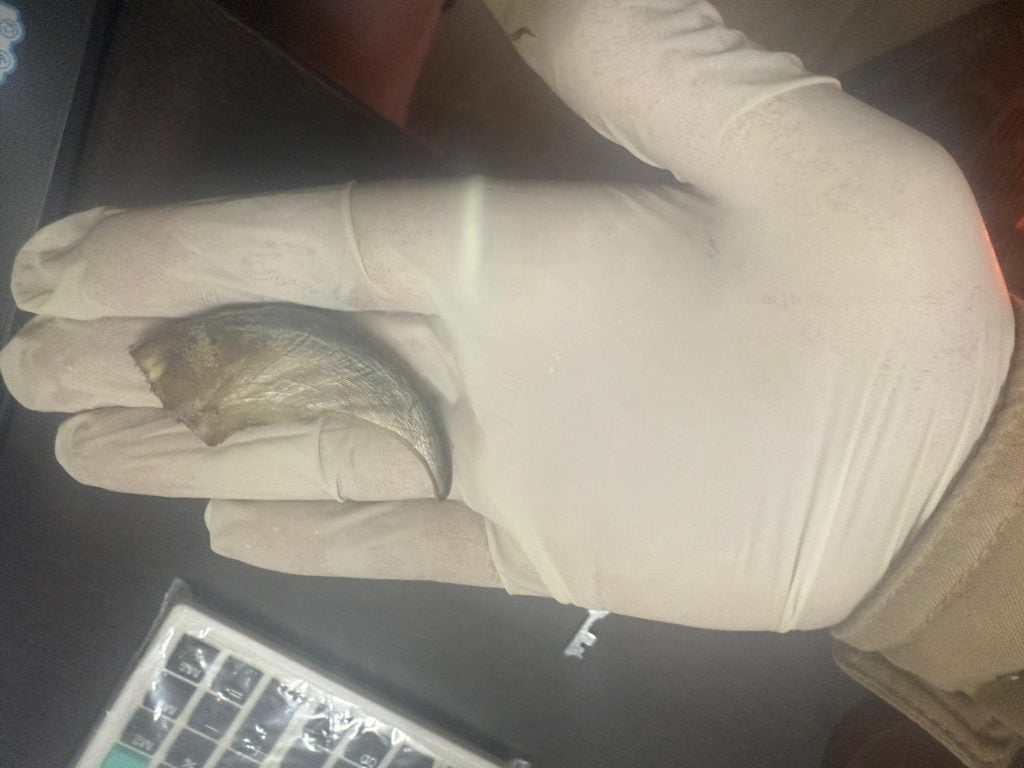
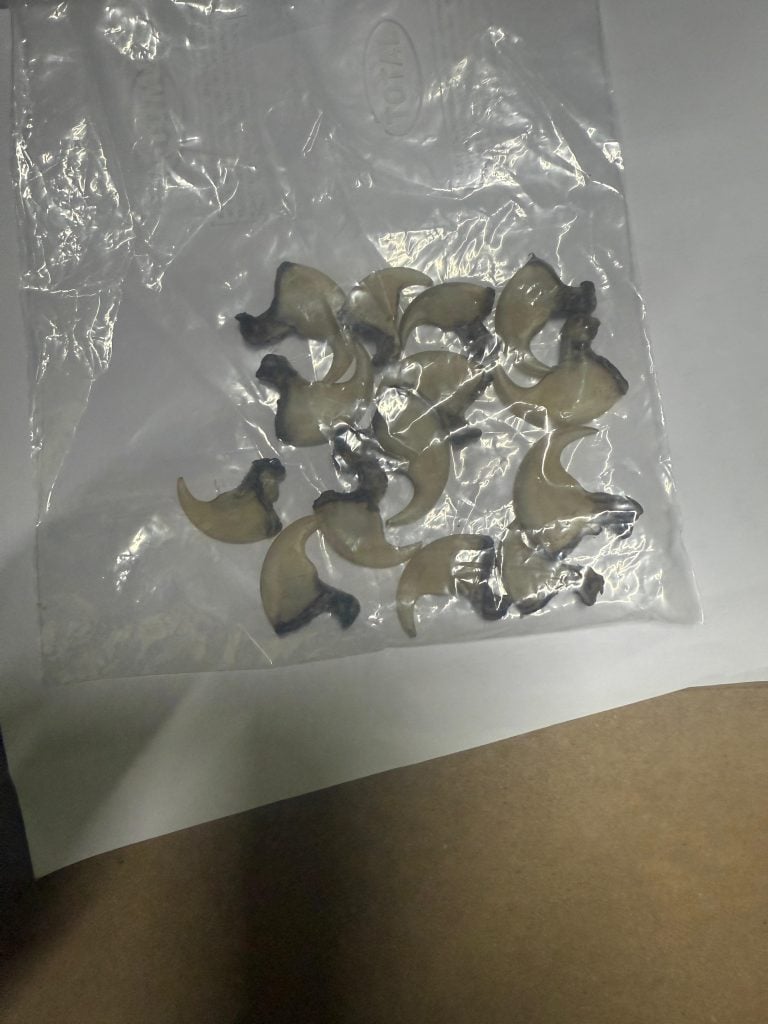
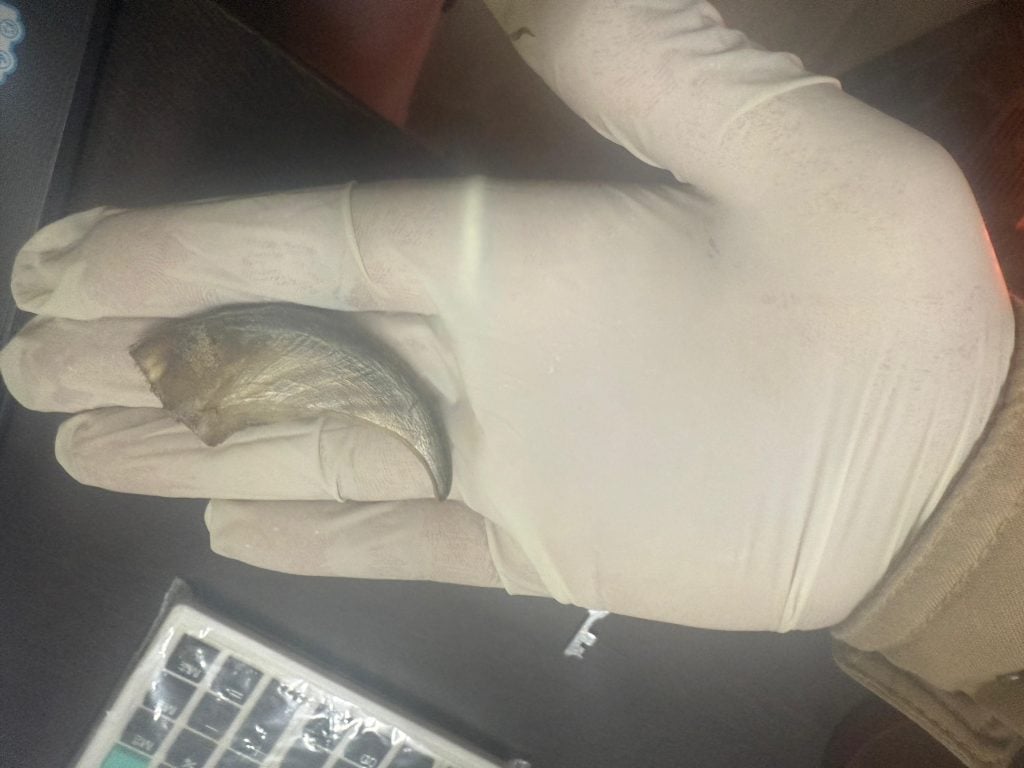
The raids yielded a startling haul: 85 suspected leopard claws, five suspected leopard tooth fragments and one suspected leopard skull, along with other suspected wildlife derivatives. In all, around 100 scheduled wildlife articles were recovered during the operation, including derivatives suspected to belong to other protected species.
The scale of the seizure made one thing clear: this was not simply a case of someone possessing an old wildlife souvenir. There was a supply chain.
From Jewellery Shops to the Supply Chain
The six shop owners were apprehended and arrested, and their statements were recorded under the Wildlife (Protection) Act. But Sarma’s team did not stop with the first layer.
Mobile phones seized during the investigation were examined for digital evidence. CCTV footage from the shops was analysed. Statements were recorded from people connected with the establishments.
Piece by piece, investigators began reconstructing the movement of the wildlife articles. The backward trail led outside Himachal Pradesh, to two suppliers in Uttarakhand.
“We did not want the investigation to end with the shop owners. Their statements, the digital evidence from the seized mobile phones, CCTV footage and statements from other people associated with the shops helped us trace the backward link. That investigation eventually took us to suppliers in Uttarakhand and exposed how these articles were being brought into Rohru.”
The investigation further indicated that the wildlife derivatives were being illegally supplied into Rohru from outside the state, revealing a wider interstate chain rather than an isolated local transaction.
The Hunt for the Kingpin
Tracing the suppliers was one thing. Catching the principal person behind the network was another. The key suspect became aware that investigators were closing in.
For months, the team continued pursuing the lead while keeping the investigation active. The suspect remained alert and stayed under the radar. Then, two to three months after the original operation, investigators finally apprehended him.
The arrest gave the operation another dimension. What had begun with information about leopard claws displayed or stored in jewellery shops had developed into an investigation into an organised supply network operating across state boundaries.
For Sarma, that progression was important because wildlife crime rarely ends with the person holding the illegal article. The visible seller or possessor can often be only one link in a much longer chain.
The Hardest Part Begins Before the Raid
Technology has changed the way illegal wildlife trade can operate. Digital communication can make transactions easier, while wildlife derivatives can move quietly across vast distances.
Yet Sarma believes the most difficult part of enforcement still comes before the raid: finding the information that makes a raid possible.
“The biggest challenge is intelligence and information collection. There may be people in different corners of the country who are interested in buying or selling wildlife articles, but for a law enforcement agency to identify them and obtain credible information is extremely difficult. The forests are spread across a huge area and the country is densely populated, so getting that first piece of information is often the most challenging step,” he told Indian Masterminds.
Operation Clawing Back showed what can happen when that first piece of information is pursued patiently and converted into a focused investigation.
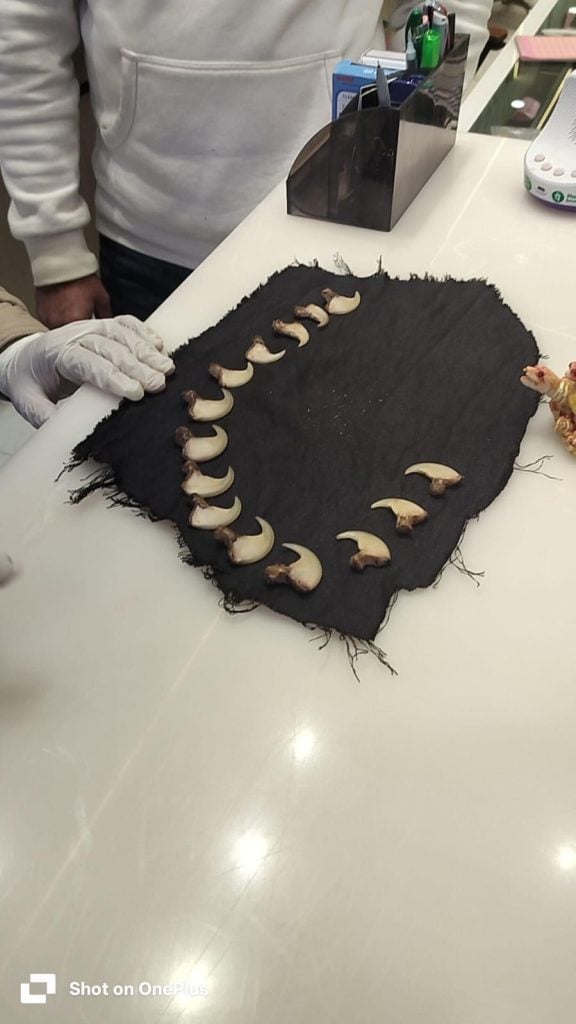
The leopard claws seized in Rohru and Shimla were not merely illegal objects. They were clues. Follow those clues far enough, and they led from local superstition to jewellery shops, from jewellery shops to suppliers, and from suppliers to an interstate wildlife trafficking network.
For the forest department, the operation also reinforced the importance of coordinated enforcement and the provisions of the Wildlife (Protection) Act. For the public, it carried another message: a pendant made from a leopard claw is not a symbol of prosperity. It is a piece of a protected animal, and behind it may lie an entire chain of illegal wildlife trade.
Also read: IFS Officer N Ravisankar Leads Cheer Pheasant Comeback in Himachal Pradesh