Conservation today is no longer confined to protecting animals within the boundaries of a forest. As organised crime evolves, wildlife trafficking has increasingly become intertwined with illegal arms, narcotics, timber smuggling, encroachment and mining mafias. Recognising this changing reality, the Udanti-Sitanadi Tiger Reserve (USTR) in Chhattisgarh has transformed its approach from traditional wildlife protection to an integrated landscape security model—one that combines cutting-edge technology, intelligence gathering, inter-state coordination and determined field operations in some of India’s most inaccessible and Left Wing Extremism (LWE)-affected forests.
Stretching across remote landscapes of Gariaband and Dhamtari districts and extending nearly 125 kilometres along the Odisha border, the reserve has become a testing ground for a modern conservation strategy that treats every environmental crime as part of a larger organised network rather than an isolated offence.
From reclaiming nearly a thousand hectares of encroached forest land to arresting hundreds of wildlife offenders, seizing narcotics, detecting illegal firearm networks, recovering explosives, targeting timber smugglers and curbing illegal mining, the reserve has demonstrated that protecting forests today requires capabilities similar to those of a specialised enforcement agency.
Speaking to Indian Masterminds, 2017-batch Indian Forest Service (IFS) officer of Chhattisgarh cadre, Mr Varun Jain, Deputy Director of Udanti-Sitanadi Tiger Reserve, explained how the reserve consciously expanded its mandate beyond conventional forest offences.
“Wildlife crime today does not exist in isolation. The same organised crime channels involved in wildlife trafficking are often linked with illegal arms, narcotics, mining and timber mafias. If we only catch hunters, we address just one part of the problem. Our objective is to break the entire nexus,” he said.
He further added, “We wanted to move beyond traditional wildlife offences and ensure holistic security of the entire landscape. That is why our operations now also focus on illegal firearms, narcotics, explosives and organised criminal networks operating across state borders.”
Why the Strategy Had to Change
For years, wildlife protection largely focused on patrolling forests, preventing hunting and registering wildlife offences. However, field experience revealed a much bigger challenge.
The reserve shares a long and sensitive border with Odisha, covering nearly 125 kilometres. Several adjoining districts—including Kalahandi, Nuapada and Nabarangpur—have long been known for illegal arms manufacturing, weapon smuggling and organised criminal activities.
According to Mr Jain, these criminal ecosystems frequently overlap.
“A person involved in drug trafficking may also deal in wildlife articles or illegal weapons. Timber smugglers and mining mafias often operate through interconnected networks. That is why conservation today requires a much broader enforcement perspective,” he explained.
Instead of investigating wildlife offences in isolation, USTR began targeting the entire chain – from intelligence gathering and surveillance to arrests, evidence collection and prosecution under multiple laws.

Operating Where Enforcement Is Most Difficult
Implementing such a strategy is far from easy.
Large parts of the Udanti–Sitanadi landscape consist of dense forests, steep hills, remote valleys and interior villages where road connectivity remains poor and mobile communication is often unavailable.
Several operational zones either fall within or adjoin Left Wing Extremism (LWE)-affected areas, making every patrol and enforcement exercise significantly more challenging.
Traditional policing methods often prove inadequate in such terrain.
To overcome these challenges, the reserve developed a specialised operational model built around:
- Advance intelligence gathering and confidential source networks
- Discreet surveillance of suspected offenders
- Long-range foot patrols across remote forests
- Coordinated search and raid operations
- Interstate intelligence sharing
- Satellite imagery and drone reconnaissance
- GPS-based mapping
- Digital evidence collection
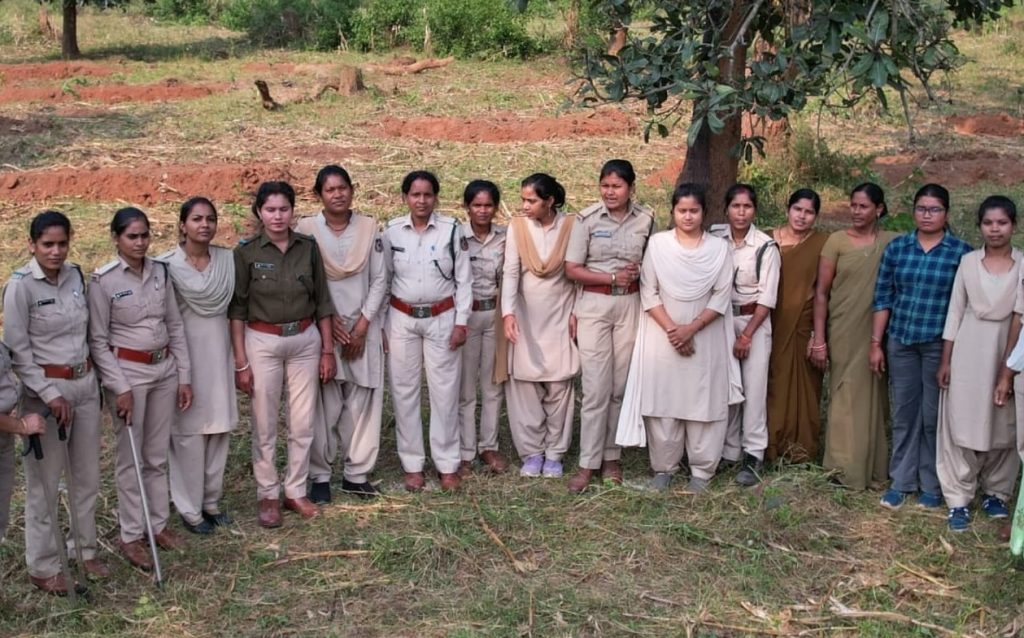
- Specialised anti-poaching teams
- Close coordination with Police and Forest Departments of neighbouring states
The significance of these operations lies not merely in the seizures made, but in the fact that they have been successfully carried out deep inside forests where even reaching the location is often an operational challenge.

How Technology Is Reclaiming Forest Land
One of the reserve’s biggest achievements has been its extensive anti-encroachment campaign.
Rather than relying solely on conventional field surveys, officials combined satellite imagery, historical data, drone mapping, GPS surveys and digital evidence to establish when and how forest land had been illegally occupied.
Historical satellite imagery obtained through NRSC/ISRO datasets helped investigators reconstruct the chronology of forest degradation, making anti-encroachment proceedings more objective and evidence-based.
The result has been remarkable.
Approximately 956 hectares of forest land have been reclaimed through these technology-driven operations.
The initiative has effectively transformed anti-encroachment work into what officials describe as a forensic investigation of forest occupation rather than merely a routine administrative exercise.

From Catching Hunters to Dismantling Wildlife Crime Networks
Perhaps the most significant transformation has taken place in anti-poaching operations.
Instead of simply arresting individual hunters, USTR now targets organised wildlife crime syndicates operating across state borders.
Through intelligence-led operations spanning Chhattisgarh, Odisha and Maharashtra, the reserve has apprehended more than 400 poachers and wildlife offenders.
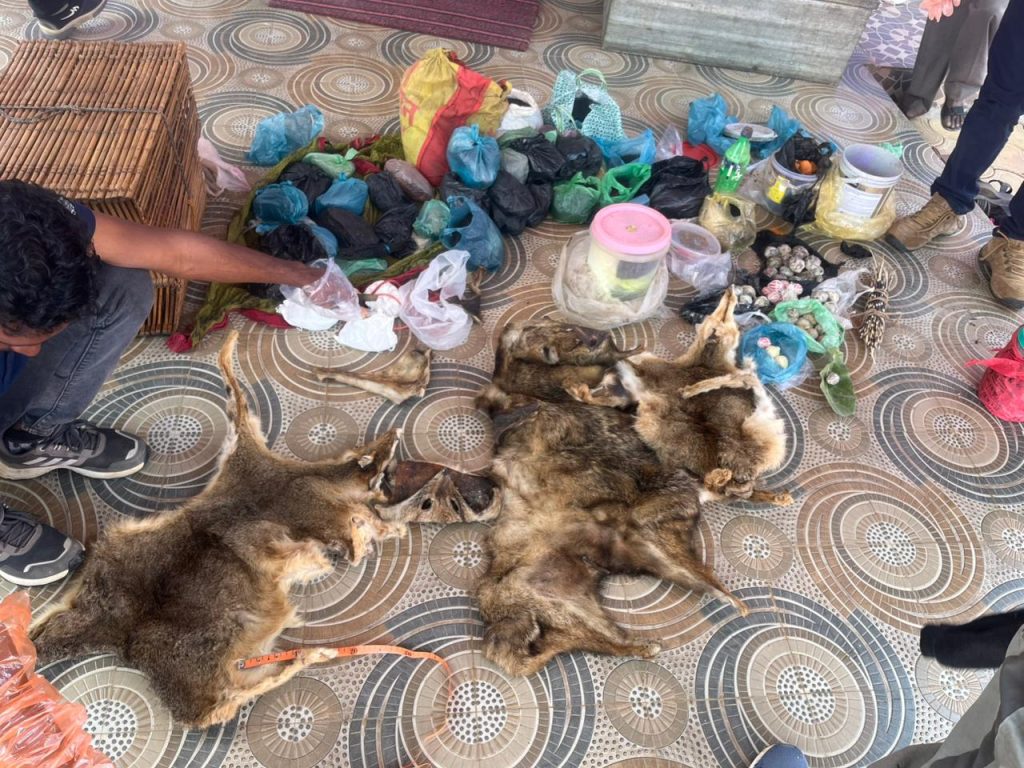
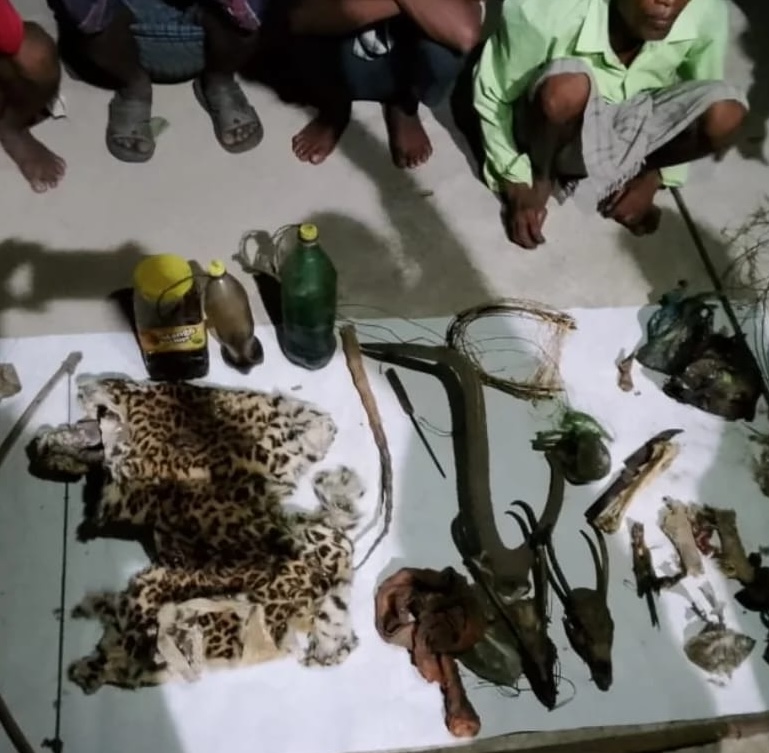
Raids have led to the recovery of wildlife skins, claws, bones, teeth and other animal remains along with firearms, traps, snares and hunting equipment.
The operational philosophy has fundamentally shifted from: “Catching the hunter” to “identifying and dismantling the entire wildlife crime network.”
Given that wildlife trafficking syndicates rarely respect administrative boundaries, interstate coordination has become central to every major investigation.
Expanding the Fight Against Narcotics
Recognising that forest corridors are increasingly used for illegal trafficking, USTR also expanded its focus to narcotics.
Using confidential intelligence and strategic surveillance at forest checkposts, officials intercepted approximately 129 kilograms of cannabis (ganja) moving through forest routes.
The seized contraband was subsequently handed over to the police for investigation under the Narcotic Drugs and Psychotropic Substances (NDPS) Act, 1985.
Such operations are particularly difficult because traffickers often exploit isolated forest roads and multiple alternate routes to evade enforcement agencies.
Cracking Down on Illegal Firearms
Illegal firearms remain one of the biggest threats in remote forest landscapes.
Repeated anti-poaching operations resulted in the seizure of country-made desi bharmaar guns and other illegal weapons.
The investigations extended beyond forest boundaries into adjoining areas of Odisha, particularly the South Kalahandi–South Udanti region, where authorities acted against illegal gun-manufacturing networks.
Recovered weapons and evidence were handed over to the police for action under the Arms Act.
Mr Jain believes tackling illegal weapons is essential because they enable not only wildlife crimes but several other forms of organised criminal activity.
Targeting Explosives Used for Wildlife Hunting
Among the most disturbing cases investigated by USTR involved the use of country-made explosive devices, commonly known as potash bombs, for hunting wild animals.
A major investigation was launched after an elephant calf suffered severe injuries in the Sitanadi landscape in a suspected potash bomb incident.
The investigation led to the arrest of seven accused persons, along with the recovery of explosives, snares and other hunting equipment.
Another major operation in December 2024 resulted in the seizure of:
- 50 potash bombs
- 86 snares
- Hunting equipment
- Wildlife remains
These cases were pursued under both wildlife laws and the Explosive Substances Act, 1908.
Conducting such investigations required painstaking intelligence gathering, searches in remote villages and coordinated operations deep inside forest terrain.
Taking on Interstate Timber Smuggling
Illegal timber extraction has also emerged as a major focus area.
The reserve intensified surveillance along the Odisha border, where organised timber smuggling networks attempt to exploit difficult terrain and multiple transport routes.
During one remarkable operation, officials discovered illegally harvested timber concealed underwater inside a pond, while additional timber was recovered from residential premises.
Such recoveries highlighted how intelligence gathering and field surveillance are becoming increasingly critical in combating organised timber smuggling.
Protecting Rivers from Illegal Sand Mining
The reserve has also extended enforcement to illegal extraction of sand from riverbeds adjoining the protected area.
Forest protection teams intercepted vehicles involved in unauthorised mining and transportation despite the difficult accessibility of several riverine locations.
Illegal riverbed mining not only alters river morphology but also threatens aquatic ecosystems, groundwater recharge, water availability and wildlife habitats.
By addressing these offences, the reserve has broadened its conservation mandate beyond forests to include the protection of entire ecological systems.

Seven Pillars of an Integrated Protection Model
Today, the Udanti–Sitanadi Tiger Reserve operates through seven interconnected enforcement pillars:
- Anti-Encroachment: Approximately 956 hectares reclaimed using satellite imagery and digital evidence.
- Anti-Poaching: More than 400 wildlife offenders apprehended while targeting interstate trafficking networks.
- Anti-Narcotics: Around 129 kilograms of cannabis seized through intelligence-led operations.
- Anti-Illegal Arms: Detection of illegal firearms and gun-manufacturing networks operating across state borders.
- Anti-Explosives: Recovery of potash bombs, explosives and arrest of accused involved in wildlife hunting.
- Anti-Timber Smuggling: Interstate timber networks disrupted through intelligence-based raids.
- Anti-Illegal Mining: Illegal riverbed sand extraction intercepted to protect fragile ecosystems.
Each of these domains complements the others, forming a comprehensive security framework for the landscape.

An Intelligence-Led Conservation Model
The reserve’s modern protection strategy rests on five interconnected pillars:
Intelligence + Technology + Fieldcraft + Interstate Coordination + Law Enforcement
Rather than reacting after an offence occurs, the objective is to anticipate and dismantle organised criminal activity.
The approach now follows a structured chain:
Detect → Investigate → Identify the network → Collect evidence → Coordinate across states → Hand over for specialised investigation → Prosecute → Dismantle the network.
This integrated model has fundamentally changed the philosophy of wildlife protection.
As Mr Jain succinctly puts it, “Our objective is not merely to register a wildlife case. We want to ensure that the entire organised network behind such crimes is dismantled. Only then can long-term conservation succeed.”

From Wildlife Protection to Landscape Security
The journey of the Udanti–Sitanadi Tiger Reserve reflects the changing face of conservation in India.
Modern tiger reserve management is no longer limited to safeguarding charismatic wildlife species. It increasingly demands technological capability, intelligence gathering, inter-state coordination, legal expertise and operational preparedness in some of the country’s most difficult terrains.
Whether reclaiming 956 hectares of forest land through satellite-based evidence, apprehending over 400 wildlife offenders, intercepting 129 kilograms of narcotics, uncovering illegal firearm networks, recovering explosives, targeting timber smugglers or preventing illegal sand mining, USTR has demonstrated that protecting biodiversity today means protecting the entire landscape.

In one of India’s most challenging forested and LWE-affected regions, the reserve has evolved into more than a wildlife sanctuary—it has become a model of integrated environmental security where conservation, law enforcement and community protection work hand in hand.
As the reserve’s evolving strategy illustrates, the future of conservation lies not only in saving wildlife, but in safeguarding the ecosystems, resources and landscapes on which both nature and people depend.