The Sunday morning of December 26th, 2004, brought with it a tragedy that even now makes the people of Tamil Nadu shudder at the mere thought of it. A massive tsunami triggered by an undersea earthquake in Indonesia struck the south Indian coast and its giant waves swallowed many and washed away habitation, with Cuddalore and Nagapattinam districts bearing the major brunt. The deadly tsunami took the lives of nearly 7,000 people in the state.
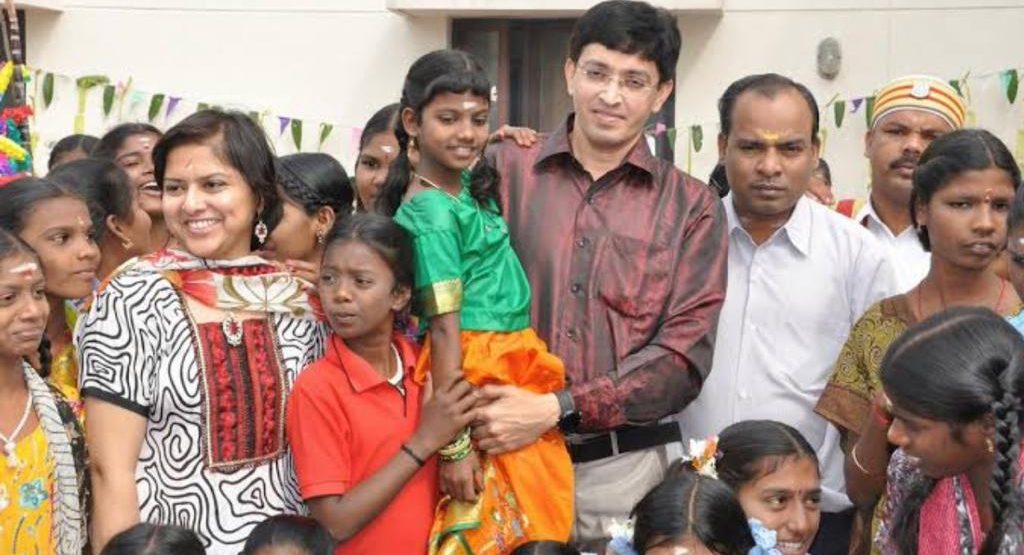
In an exclusive conversation with Indian Masterminds, IAS officer Dr. J Radhakrishnan reminisced that fateful tsunami day and its aftermath, when he and his team set about helping the affected people.
THE DEADLY TSUNAMI
During that time, when the tsunami hit the state, Dr. Radhakrishnan was posted as the collector of Thanjavur district. On that fateful day, he received a frantic call from the collector of Nagapattinam district who explained the extent of the tragedy to him and pleaded for assistance.
“I was immediately on my way and witnessed numerous people leaving the district on foot. We arranged for empty buses along with 32 ambulances to take people safely to the nearby district where the tsunami hadn’t caused much havoc. As I landed in the district, the first thing I saw was 900 bodies lying scattered.”
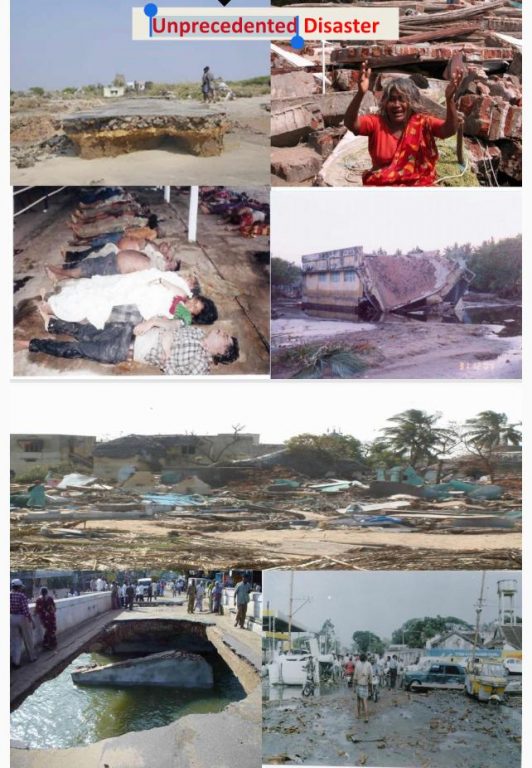
Nagapattinam has a 187-kilometer coastline and the damage done to it made Dr. Radhakrishnan and his team realize that the impact with which the tsunami hit the coast was phenomenal and something that they had never witnessed before.
“We were receiving death news from nearby villages, and we set about evacuating the people stranded there on a priority basis. 2-3 days later, the extent of the tragedy sunk in when even helicopters couldn’t reach us due to rain. The entire habitation alongside the coastal borders was finished and a string of dead bodies just lay scattered between the water and the debris. Several areas became unreachable as the roads had sunken underwater and there was no way out.”

REHABILITATION
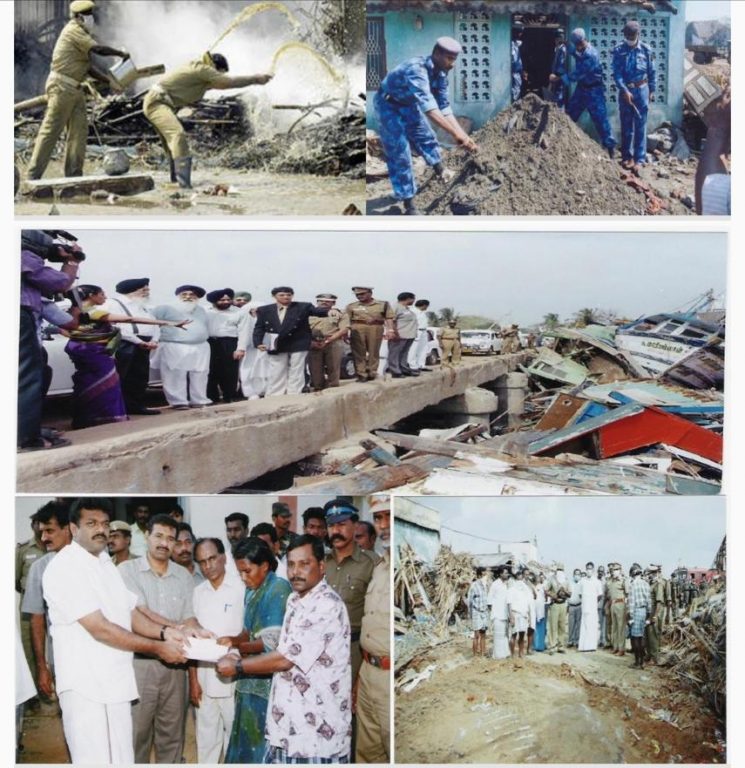
The first step that the team took was to secure the bodies and give them proper cremation or burial. Next, thousands of relief camps were set up and the stranded were given temporary accommodations to settle in until everything became clear.
“We provided food and sanitation to them, but the biggest challenge was the water supply. The central government and state government visited the area and conducted a survey which observed that over 7000 deaths had been reported within an area of 10-kilometer up to Nagapattinam.”
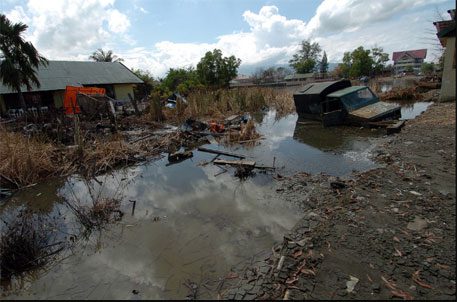
Several areas were still inaccessible, and to help those, the officers reported to the government about the need for large-scale rehabilitation in stranded villages. Numerous teams were sent and the rehabilitation work took speed.
“Till January 2005, we were focusing on relief work by ensuring temporary centers and accommodations were set up and people have basic facilities. Then, we realized that people had lost their lives, livelihood, and houses. The entire habitation needed to be redeveloped. So, we parallelly started working on that area as well.”
INVOLVING PUBLIC
The team set up an ‘NGO-Government approach’ which was handled by the collectorate but manned by NGOs. Numerous volunteers turned up to help in relief and rehabilitation work and they were divided into groups under different categories such as housing, sanitation, fisheries, agriculture, etc.
“This was a gap-filling approach and became a masterstroke in helping everyone.”
Simultaneously, the team built up media interactions and enabled complete transparency regarding the challenges that they were facing. They also took regular feedbacks from the POV of the media and worked on the logistics to bring improvement.
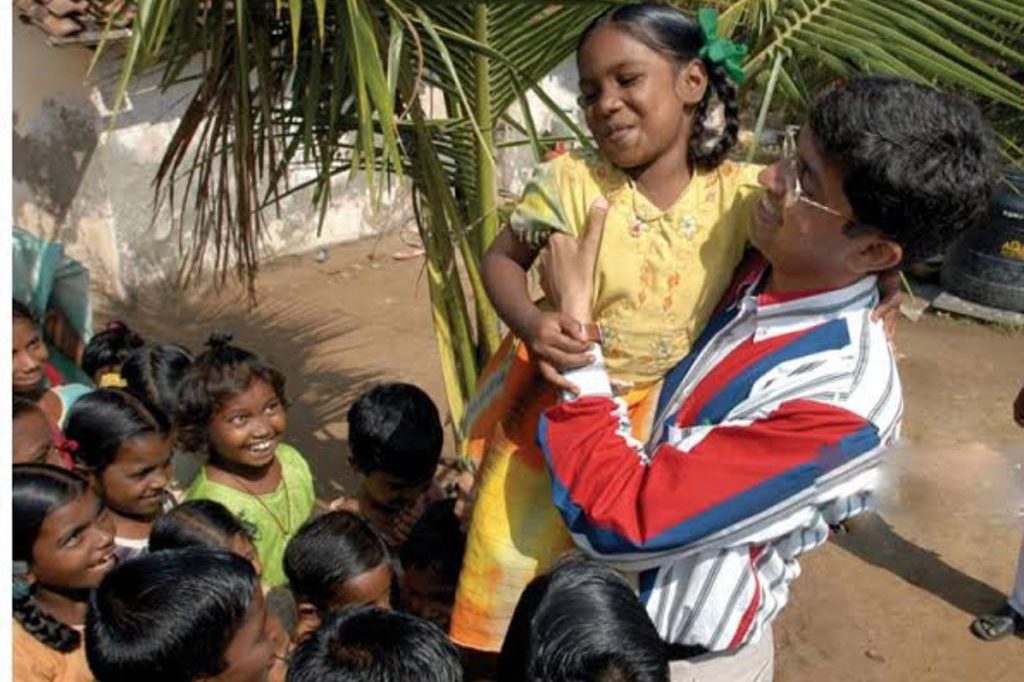
“We found the number of orphaned children and people who had lost their families and set up an orphanage and service homes for women between the age of 14-18 years.”
HABITAT REDEVELOPMENT
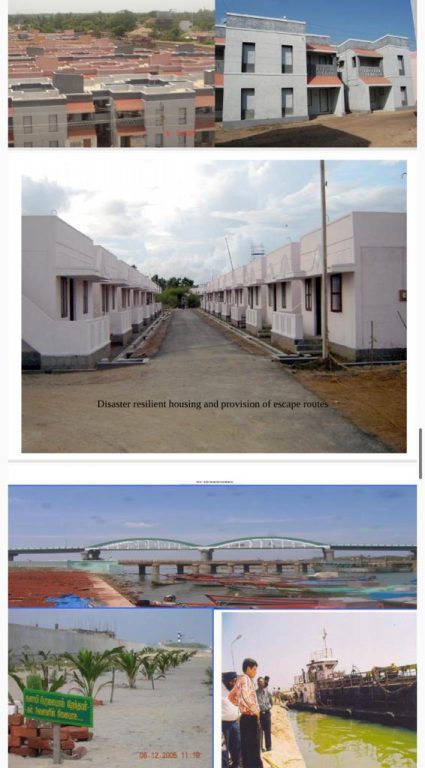
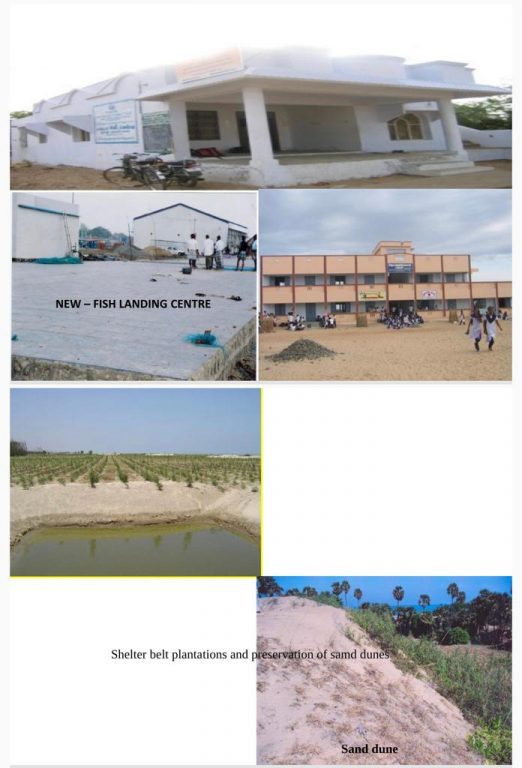
Once all the basic protection and amenities had been provided to people, the team decided to start working on habitat redevelopment and restoring livelihood. It took five months for the fishermen to go back to fishing as their boats and supplies were lost in the tsunami.
“Similarly, the coastal agricultural land was layered with sand all over it which we had to remove. Numerous people had lost their jobs, so we had to look after them as well. The government came up with several projects to provide a livelihood to people on the grassroots level. We slowly moved from rehabilitation to redevelopment in months.”
The people were also given psycho-social support to come out of the trauma that they had gone through. Different teams were appointed to cover households and talk to each and every person regarding their mental health.
“We found that 80% of people were okay and understood the situation but 20% needed primary mental support out of which 3% needed elaborate medical support. We gave them the proper support and helped them come out of it.”
The tsunami wrecked the lives of people who had innocently come out to enjoy their Sunday, completely unaware that a tragedy is on its way. The government’s and the IAS officers’ efforts to help people back on their feet might have taken a little time but was ultimately successful and helped thousands of people in the district to get back to some normalcy and take control of their lives once again.