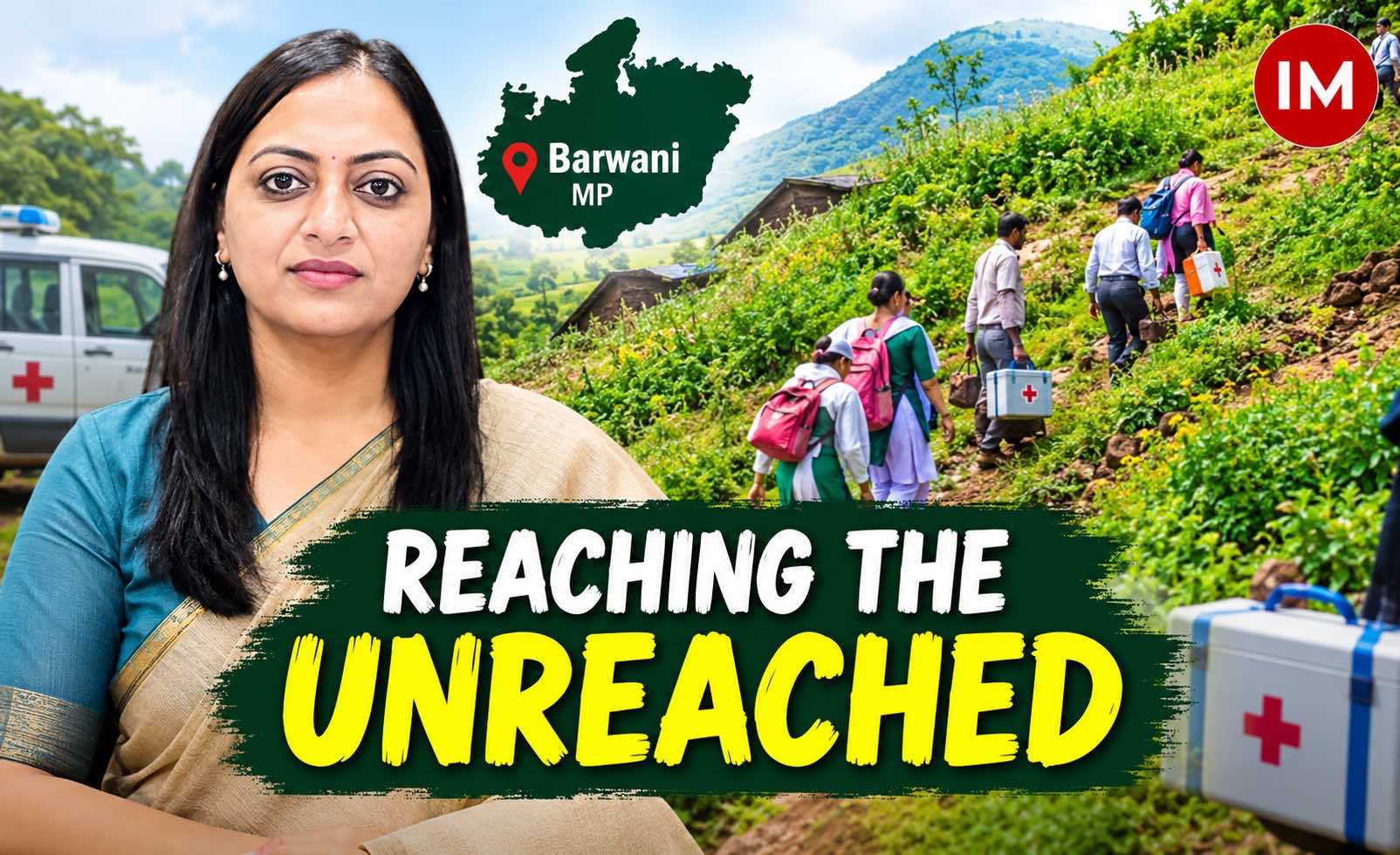
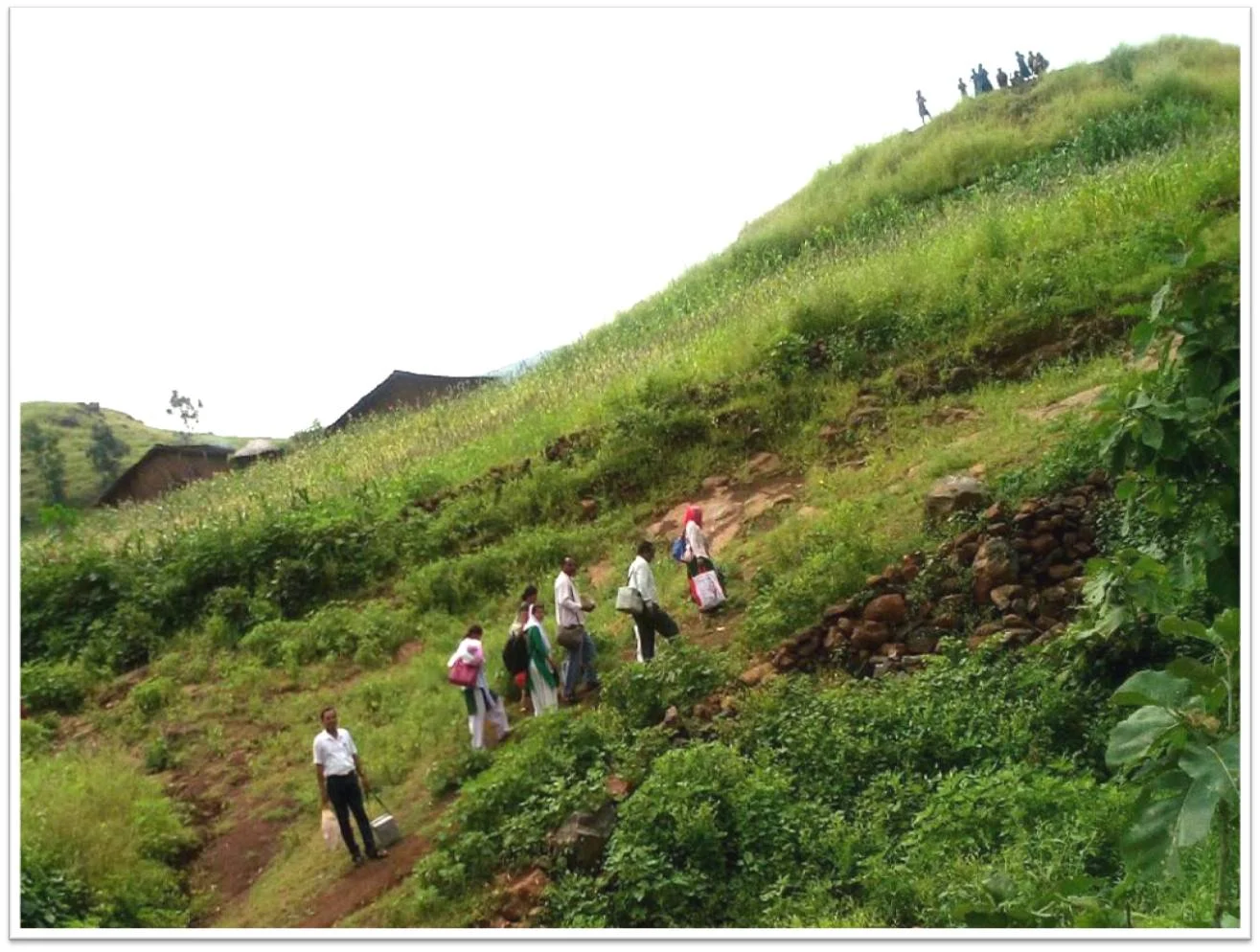
Deep in the Satpura hills of Madhya Pradesh, where rugged terrain, scattered settlements and long distances often separate tribal families from essential healthcare, reaching the last household can be a challenge in itself. In Barwani district, health teams are trekking four to five kilometres, climbing hilltops and even crossing rivers by boat to ensure that vulnerable families are not left behind.
At the heart of this effort is IAS officer Jayati Singh, the 2016-batch officer from the MP cadre and Barwani Collector, who is spearheading Mission Green Commando – an initiative designed to take healthcare directly to communities that routine medical outreach may struggle to reach. Conducted every three months, the drive brings together health workers, medical officers and district officials in a coordinated effort to provide essential health services at the doorsteps of remote tribal households.
For Ms Singh, the initiative is not simply about conducting health camps. It is about ensuring that geographical isolation does not become a barrier to healthcare, particularly for pregnant women, children and people requiring screening and treatment for serious health conditions.
Indian Masterminds interacted with IAS Singh to understand how Mission Green Commando was conceptualised and implemented, how health teams are overcoming geographical challenges to reach remote tribal households, and the impact of this initiative on healthcare delivery in Barwani.
How It Started: Addressing Barwani’s Geographical Challenges
Barwani is a predominantly tribal district where settlements are scattered across hilly terrain. Some households are located on hilltops, while others lie across rivers or in areas with limited accessibility. These geographical challenges can make routine healthcare delivery difficult, leaving some families outside the regular health system.
Explaining the need for the initiative in a conversation with Indian Masterminds, IAS Singh said, “Our district is mostly tribal, and the terrain is uneven. Our habitations are quite scattered, with some located on hilltops. Because of this, delivering health services through the routine process can sometimes be problematic.”
The administration recognised that conventional outreach mechanisms needed additional support to reach households in these difficult locations. Instead of expecting residents to travel long distances to access healthcare, the district decided to mobilise its existing administrative and medical resources and take services to the people.
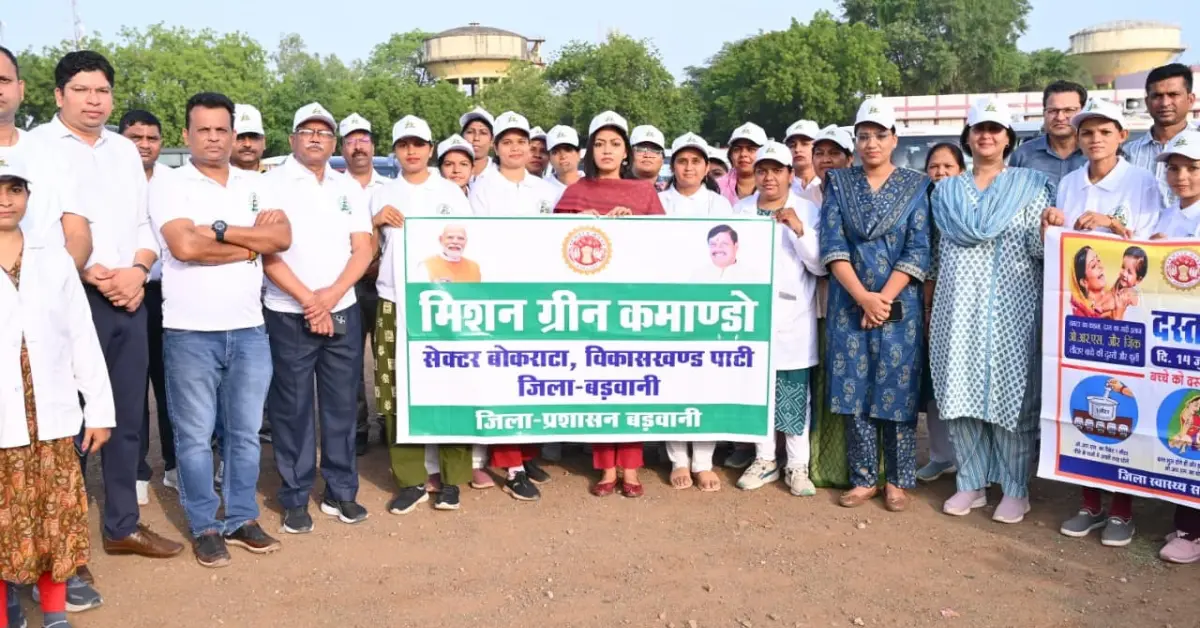
This led to the development of Mission Green Commando, a periodic catch-up campaign that brings the entire district machinery together. The exercise is conducted once every three months, allowing teams to identify people who may have missed routine check-ups, vaccinations or other essential services.
“We run a catch-up campaign every three months in which the entire district team is mobilised. We have around 100 government vehicles, and district officials are assigned nodal responsibilities,” Ms Singh explained.
Implementation: A Coordinated Mission Across Difficult Terrain
Mission Green Commando depends on extensive preparation, coordinated deployment and the participation of personnel from different departments.
For each round, the administration pools vehicles and staff from across the district. Teams receive training and logistical support before being deployed to their assigned areas. Medical supplies, including vaccine boxes, are distributed in advance to ensure that personnel can provide services during household visits.
Read Also: How Burhanpur SP Ashutosh Bagri Is Building a Grassroots Intelligence Network Through Gram Kotwars
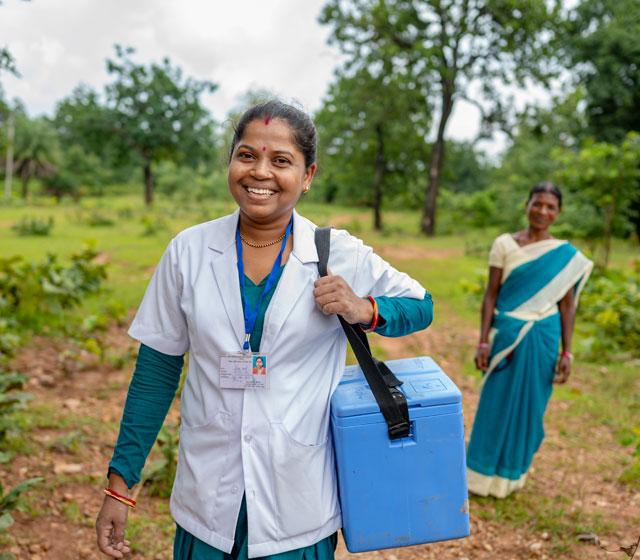
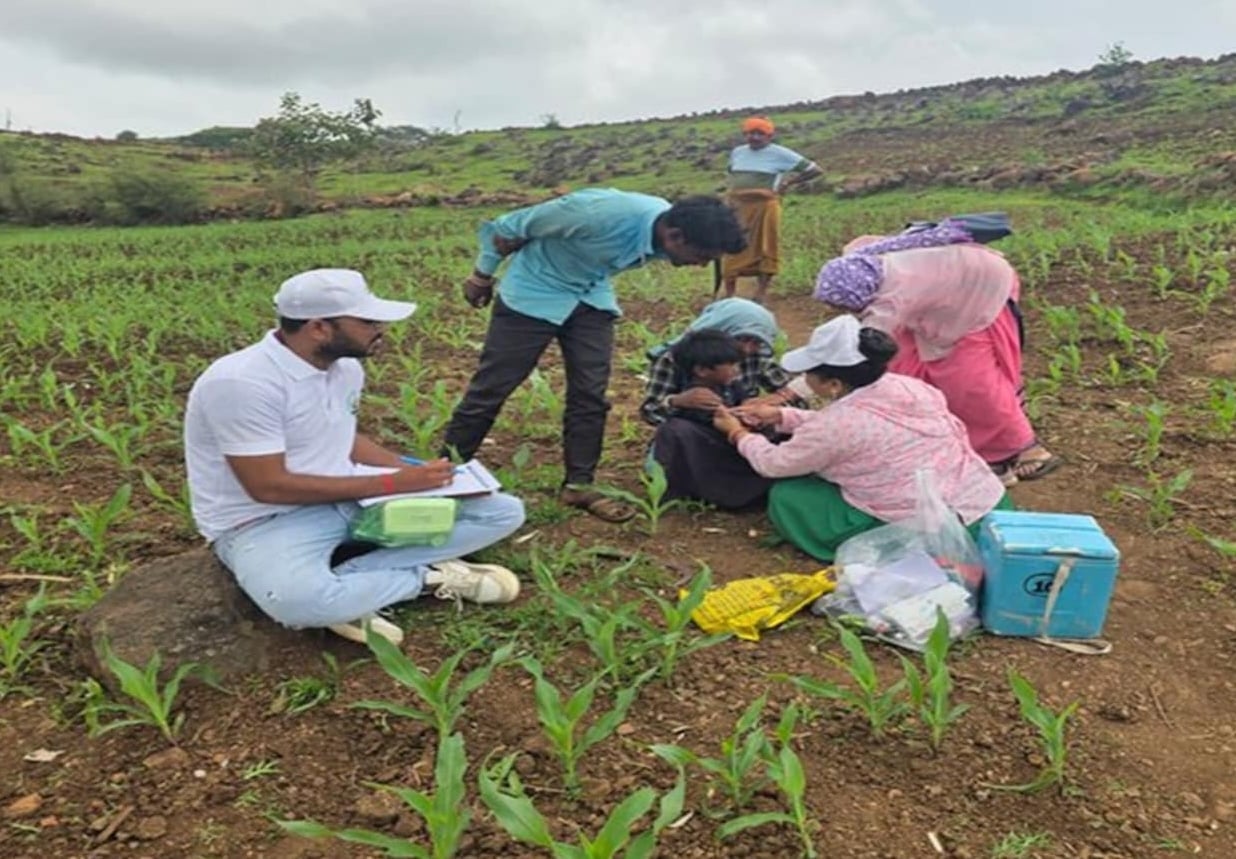
Each field team includes an Anganwadi worker, a medical officer and a nurse midwife (NM). This combination allows the teams to address multiple healthcare needs during a single visit rather than requiring residents to make repeated trips or wait for separate outreach activities.
Before deployment, the administration maps the terrain and identifies the households that need to be covered. Using Google satellite imagery, officials map settlements and divide the areas into manageable clusters. Each team is assigned approximately 10 to 12 households, with locations clearly identified to make navigation easier.
Singh explained that detailed mapping helps teams move systematically from one household to another, particularly in areas where settlements are scattered and conventional navigation can be difficult.
The day begins early. Teams generally leave at around 5 am after the distribution of materials and proceed to their designated locations. Reaching some households requires trekking several kilometres, climbing hills or crossing rivers. In areas where road access is unavailable, boats are also used to reach settlements on the other side of water bodies.
“They have to trek for kilometres – sometimes four to five kilometres – to reach the last household located on a hilltop,” Singh said.
The physical demands are considerable. Team members carry medical supplies and vaccine boxes weighing approximately five to six kilograms while navigating difficult terrain. Reaching a household, providing services and moving to the next location can take considerable time.
Teams continue their work through the day, with personnel generally returning by around 5 pm. Once the field exercise concludes, information collected during household visits is compiled and reviewed. If any urgent healthcare needs are identified, the administration can take appropriate follow-up action.
For Singh, the strength of the model lies in this combination of preparation, teamwork and accountability.
“This is a very intensive exercise. It is a full-day effort, and the entire team has to work together. The speciality of this model is teamwork,” she said.
Thirteen Health Services at the Doorstep
Mission Green Commando is designed to provide a broad range of healthcare services rather than limiting its work to vaccination or general medical check-ups.
During household visits, teams use a prescribed format covering 13 types of health services. These include immunisation, antenatal care, screening for health conditions and the identification of nutritional deficiencies.
Maternal and child health is a major priority. Teams identify pregnant women who may not have registered for antenatal care (ANC) and connect them with the health system. Their check-ups include assessments of weight, height, blood pressure and other relevant health parameters, along with blood tests where required.
These interventions are particularly important in remote tribal settlements, where geographical barriers can prevent pregnant women from accessing regular medical attention. Early identification and registration help ensure that women receive appropriate monitoring during pregnancy and can be guided towards institutional deliveries.
Children who may have missed routine vaccination are also identified and provided with immunisation services.
The teams additionally collect sputum samples for tuberculosis-related assessment and record nutritional deficiencies requiring attention. Sickle cell anaemia, a significant health concern in the region, is another focus of the drive.
By combining these services in a single household visit, the administration seeks to identify gaps in healthcare coverage and address multiple needs through one coordinated intervention.
Tackling Sickle Cell Anaemia and Other Health Concerns
Sickle cell anaemia requires particular attention in tribal areas of Madhya Pradesh. Early identification and access to appropriate treatment are important for people affected by the condition.
As part of the district’s broader healthcare efforts, screening is carried out to identify individuals who may have sickle cell anaemia. People identified with the condition are provided with the required medicines and treatment support.
The household visits also allow health teams to identify illnesses that might otherwise go unnoticed during routine outreach. Medical officers can assess common ailments, including coughs, colds and other health complaints, and guide patients towards appropriate care.
This makes the initiative more than a periodic screening exercise. It provides an opportunity to understand the health needs of families who may have limited access to regular medical consultations.
Impact: Reaching the Last Household
Mission Green Commando has completed two rounds since its launch, and the district administration has reported a positive response. The exercise is continuing on a quarterly basis, with the entire district covered through the coordinated deployment of officials and healthcare personnel.
One of the most significant outcomes is the ability to take medical officers directly to remote households. In areas where residents may otherwise struggle to reach a healthcare facility, even a basic medical consultation can make a meaningful difference.
“We are able to send a medical officer to the last household. That itself is a very big thing,” Ms Singh said, highlighting the importance of making healthcare accessible to people living in difficult geographical conditions.
The impact also extends to identifying pregnant women who have not registered for antenatal care, locating children who have missed vaccinations and detecting other health concerns that require intervention.
The initiative relies on existing government resources, including vehicles, medical personnel and district officials, but brings them together through a carefully planned deployment system. Satellite mapping, household-level assignments and post-visit data collection help make the exercise more systematic.
Singh emphasised that detailed planning and coordination are essential to its success. By giving teams clear locations and defined responsibilities, the administration can organise fieldwork more efficiently and ensure that mapped households are covered.
A Model Built on Teamwork and Last-Mile Governance
What distinguishes Mission Green Commando is the effort to make the administrative machinery work as a unified team. Health workers, medical officers and district officials undertake a physically demanding exercise to reach people who might otherwise remain outside the routine delivery of healthcare services.
The initiative also demonstrates how existing resources can be mobilised to address local challenges without relying entirely on conventional service-delivery mechanisms. Its quarterly schedule creates recurring opportunities to identify gaps, provide essential services and gather information for follow-up action.
For Barwani’s remote tribal communities, the central objective is straightforward: essential healthcare should not depend on how close a family lives to a road, a village centre or a medical facility.
As Mission Green Commando continues, its emphasis on detailed mapping, coordinated teams and doorstep service delivery offers an example of how district administration can adapt public services to difficult geographical conditions.
In Barwani, the journey towards better healthcare sometimes begins before sunrise, with teams carrying vaccines and medical supplies into the hills. Their work reflects the larger purpose of public service – ensuring that even the most distant household remains within reach of the government’s care.
Read Also: Project Cheetah’s Untold Story: The Negotiations, Challenges and Diplomacy Behind the Mission