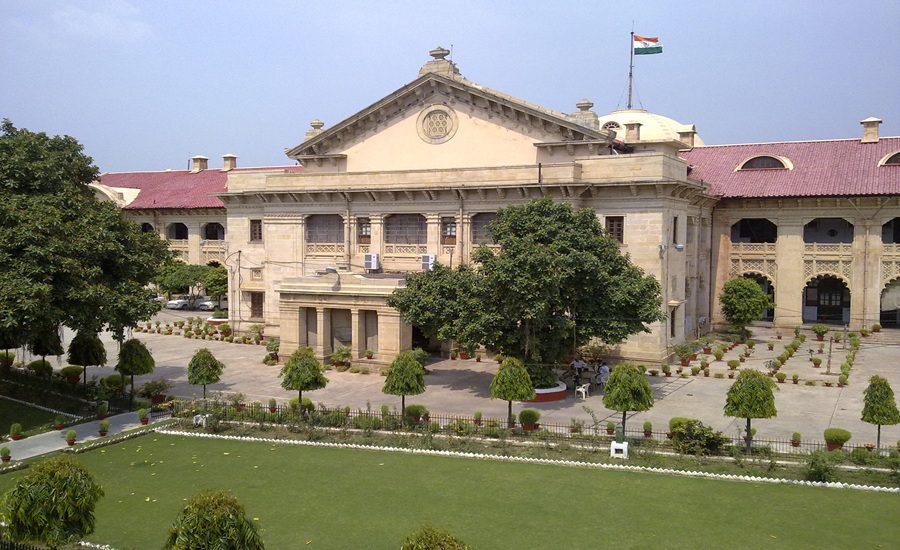
Prayagraj: The Allahabad High Court has ruled that further police investigation conducted without prior permission from the court cannot be treated as legally valid. The judgment has become important in criminal law because it clarifies the limits of police powers under Section 173(8) of the Code of Criminal Procedure (CrPC).
The ruling was delivered by the Lucknow Bench while hearing a petition filed by Syed Mohammad Hamza. The court also said that taking cognisance twice in the same criminal case is not allowed under law.
Key Highlights of the Allahabad High Court Police Investigation Ruling
- Police cannot start further investigation without court approval.
- Supplementary chargesheets filed without judicial permission may become invalid.
- Courts cannot take cognisance twice in the same criminal matter.
- Judicial supervision remains necessary even after a chargesheet is filed.
- The ruling strengthens procedural safeguards for accused persons.
Read also: Why UP Police CCTV Cameras ‘Stop Working’ in Custody Cases? Allahabad High Court Orders Probe
Allahabad High Court Police Investigation Ruling: What the Court Directed
The High Court observed that once trial proceedings begin, police authorities cannot independently reopen or continue further investigation without first obtaining permission from the concerned magistrate or court.
The bench stated that any such action taken without judicial approval would not have legal validity. The court also quashed:
- A supplementary chargesheet
- A second cognisance order
- An order rejecting the discharge application of the petitioner.
Background of the Allahabad High Court Police Investigation Ruling
According to court records:
- An FIR was registered in 2021 at Malipur Police Station in Ambedkar Nagar district, Uttar Pradesh.
- Police initially filed a chargesheet without murder charges.
- Later, authorities conducted further investigation and filed a supplementary chargesheet.
- The petitioner challenged the legality of this further probe before the High Court.
The court examined whether police authorities had the legal right to conduct additional investigation without seeking prior court permission.
Supreme Court’s Earlier View on Further Investigation
The High Court’s observations are consistent with recent views expressed by the Supreme Court of India.
In a February 2026 ruling, the Supreme Court held that:
- Further investigation under Section 173(8) CrPC generally requires judicial permission.
- Investigating agencies should approach the magistrate before reopening investigations.
- Police officers cannot exercise unlimited powers beyond judicial oversight.
The Supreme Court also criticised authorities for bypassing judicial procedures while ordering further investigation.
Why This Judgment Matters
Legal experts believe this judgment is significant because it:
- Protects due process in criminal trials
- Prevents misuse of police powers
- Ensures judicial monitoring of investigations
- Reduces the risk of repeated prosecution in the same matter
- Strengthens fair trial principles under Indian criminal law
The ruling may also influence future criminal investigations across India where supplementary chargesheets are filed after trial proceedings have started.
Legal Importance of Section 173(8) CrPC
Section 173(8) of the CrPC allows police to conduct further investigation even after filing a chargesheet. However, courts have repeatedly stressed that:
- Further investigation is different from fresh or de novo investigation.
- Judicial permission acts as a safeguard against arbitrary action.
- Supplementary reports must remain under court supervision.
Read also: Who Is ‘Hon’ble’ in India? Allahabad High Court Explains Who Qualifies and Why It Matters in Law