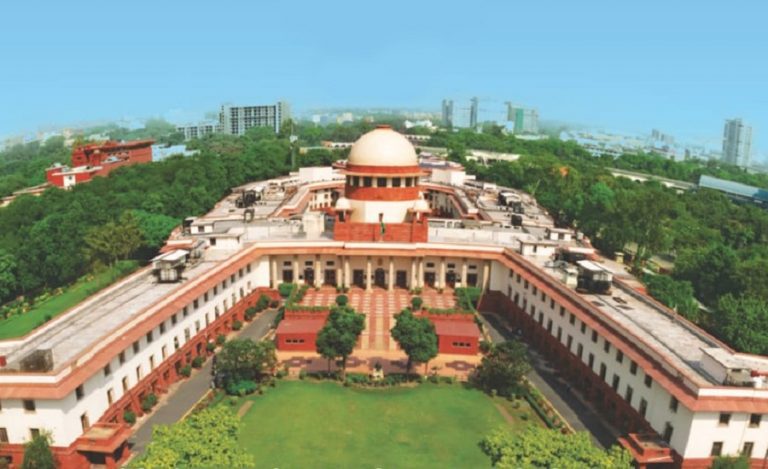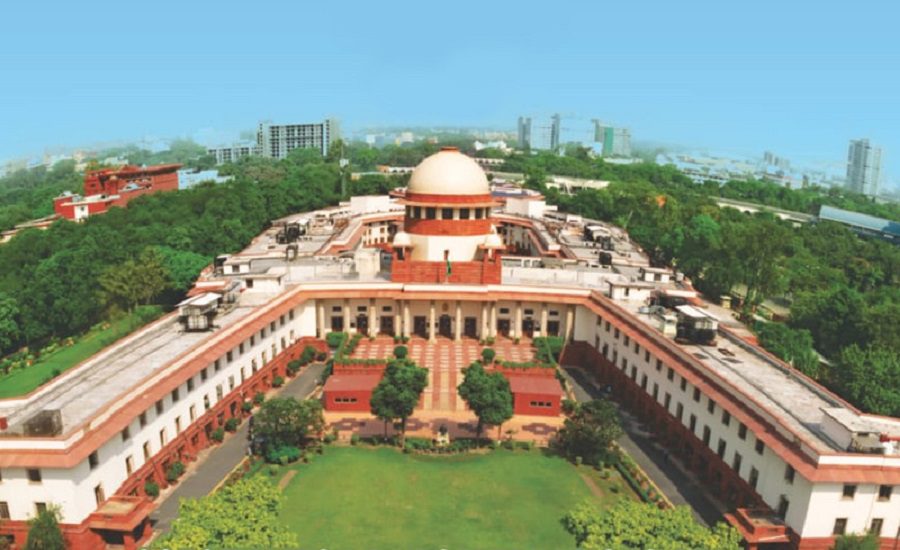
New Delhi: A CBSE 3-language mandate for Class 9 and 10 students has been challenged in the Supreme Court through a Public Interest Litigation (PIL). The petition raises concerns about the sudden implementation of a third language requirement from the 2026–27 academic year.
The case is now expected to be listed for hearing soon, making it a major development in India’s education policy landscape.
Details of CBSE 3-language Mandate PIL
- A PIL has been filed in the Supreme Court of India.
- It challenges a decision by the Central Board of Secondary Education (CBSE).
- The decision makes three languages compulsory for Class 9 and 10.
- The rule is planned to start from the 2026–27 academic session.
Read also: Fake Law Degree Crisis in India: Supreme Court Urges CBI Probe Into Thousands of Lawyers
CBSE 3-language Mandate: Who Filed the Petition?
- The petition is filed by:
- Students
- Parents
- Teachers
Total 19 petitioners from cities like:
- Delhi
- Gurugram
- Noida
- Chennai
Key Legal Developments
- The matter was mentioned before Chief Justice of India Surya Kant.
- Senior Advocate Mukul Rohatgi requested an urgent listing.
- The Court has agreed to hear the case next week.
CBSE 3-language Mandate: Main Arguments Against the Policy
Petitioners have raised serious concerns:
- Students in Class 9 will need to:
- Learn two additional languages suddenly
- This may create:
- Academic pressure
- Confusion and stress
- Concerns include:
- Difficulty in learning a new language in a short time
- Impact on Class 10 board exam performance
- Petitioners warned:
- “This will create chaos in the education system.”
What Does the CBSE Circular Say?
- The petition challenges:
- CBSE Circular No. Acad-33/2026
- Dated: May 15, 2026
- It mandates:
- Implementation of three-language formula
- Starting from Class 9
Legal Grounds of Challenge
The petition has been filed under:
- Article 32 of the Constitution of India
- Claims include:
- Violation of students’ rights
- Lack of proper transition time
- Policy implementation without adequate preparation
Read also: Why Did the Supreme Court Change Its Stand in the NCERT Case? Big Relief for 3 Academics