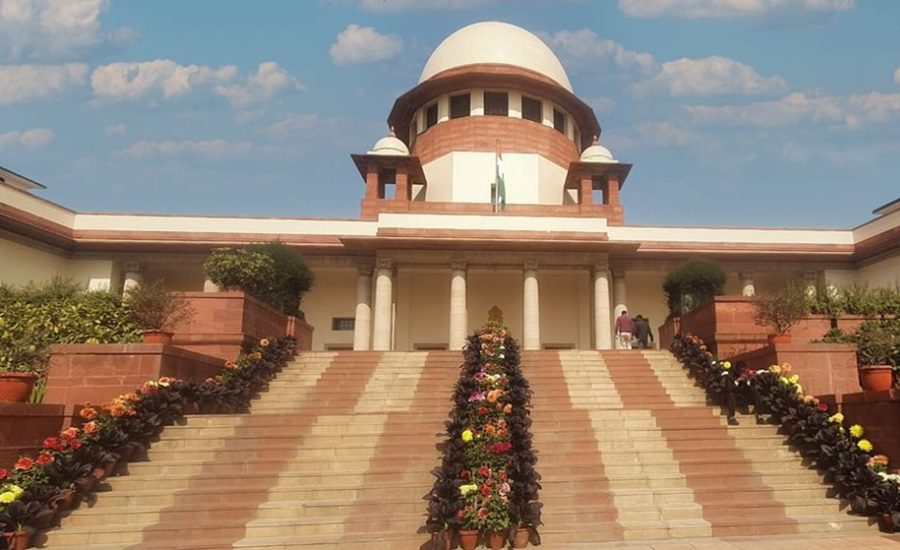
New Delhi: The Bar Council Elections issue has reached the Supreme Court again after the Bar Council of India (BCI) filed an application seeking permission to co-opt women candidates who narrowly lost State Bar Council elections. The move is aimed at improving women’s representation in legal bodies across India.
Details of Women Representation in Bar Council Elections
The Bar Council of India has asked the Supreme Court to allow:
- An additional 10% women representation in State Bar Councils.
- This will be beyond the already proposed 20% elected women members.
- Women candidates who received the highest votes but lost elections by a small margin may be co-opted into councils.
Read also: Fake Law Degree Crisis in India: Supreme Court Urges CBI Probe Into Thousands of Lawyers
Women Representation in Bar Council Elections: Why Is This Important?
The proposal is part of a larger effort to improve gender balance in the legal profession.
According to recent court discussions:
- The Supreme Court had earlier directed that women should get 30% representation in State Bar Councils.
- The Court also stressed meaningful participation of women in bar governance bodies.
Officials and legal observers say women lawyers remain underrepresented in many bar bodies across India.
Women Representation in Bar Council Elections: Supreme Court’s Earlier Directions
Earlier in April 2026:
- The Supreme Court asked a High-Powered Supervisory Committee headed by retired Justice Sudhanshu Dhulia to decide how the 10% co-option system should work.
- The matter is linked to implementation of women reservation rules in State Bar Council elections.
The Court has also warned that bar associations failing to follow women representation rules could face suspension and fresh elections.
How Will Co-option Work?
Under the proposed system:
- Women candidates who narrowly missed election victory may still become council members.
- Selection would be based on highest polling among unelected women candidates.
- The aim is to ensure the required women representation target is achieved.
Growing Debate Across States
The issue has already triggered legal disputes in some states.
For example:
- A petition in the Gujarat High Court challenged election results over alleged failure to properly implement women reservation rules in the Bar Council elections.
This shows that implementation of reservation and co-option rules may continue to face legal scrutiny.