https://indianmasterminds.com

ADVERTISEMENT
ADVERTISEMENT

Centre Unveils Flexible Captive Power Rules to Boost Industrial Growth and Ease Compliance

Draft amendments to Electricity Rules, 2005 aim to reduce disputes, recognize SPVs, and provide surcharge relief while boosting India’s industrial competitiveness
India Nuclear Warheads
Indian Masterminds Stories

New Delhi: The Government of India has proposed amendments to the Electricity Rules, 2005, aimed at providing greater flexibility and clarity for group captive power plants, a move expected to reduce disputes and ease compliance for power-intensive industries. The draft notification, issued by the Ministry of Power for stakeholder consultation, seeks to address ambiguities in the application of Rule 3, which governs the requirements of Captive Generating Plants (CGPs), and to limit litigation arising from differing interpretations across states.

Relief for Industrial Users

The proposed changes are expected to benefit energy-intensive sectors such as steel, cement, aluminium, chemicals, fertilisers, refineries, mining, data centres, textiles, and large manufacturing units. These industries often rely on captive or group captive power plants to manage high electricity tariffs and ensure stable power supply.

The Ministry highlighted that industrial electricity tariffs in India are still higher than those in comparable emerging economies, and difficulties in accessing affordable non-fossil energy adversely impact operational viability, export competitiveness, and investment attractiveness.

Read also: India’s Industrial Growth Slows to 13-Month Low of 0.4% in October 2025 Amid Weak Manufacturing, Mining, and Power Output

Shift to Operational Reality

A key proposal in the draft amendments is the move away from rigid annual ownership and consumption tests toward assessments based on the actual operational period of captive users. This would allow industries with seasonal or variable electricity demand to avail the benefits of captive power more flexibly.

Additionally, there would be no disqualification for disproportionate consumption by an individual user, provided the collective captive consumption meets statutory thresholds.

Recognition of SPVs and Group Entities

To address repeated disputes over corporate structures, the draft clarifies that Special Purpose Vehicles (SPVs) used for captive generation will be treated as an Association of Persons (AOP).

Group companies, including subsidiaries and holding companies, will be treated collectively as captive users, ensuring that legitimate captive investments are not denied benefits merely due to organizational structuring. This is expected to remove long-standing uncertainties in the treatment of corporate captive plants, especially for renewable and non-fossil energy projects.

Relief from Surcharges During Verification

The Ministry has also proposed that cross-subsidy and additional surcharges should not be levied while captive status verification is pending, provided that users submit the required declarations.

If a plant ultimately fails to meet captive norms, the applicable surcharges will be recovered later along with carrying costs, balancing temporary relief for industries with financial protection for distribution licensees.

Captive Power Linked to Competitiveness and Viksit Bharat Vision

The draft frames captive power as a critical tool for energy security, reducing transmission losses, and strengthening grid resilience by promoting generation closer to consumption points.

The Ministry emphasized that promoting captive generation aligns with India’s industrial competitiveness goals and the Viksit Bharat @2047 vision, especially as electricity demand continues to be driven by industrial growth.

Stakeholders have been invited to submit comments on the draft amendments before the final rules are notified.

Read also: CAQM Show Cause Notices Thermal Power Plants for Biomass Norm Violations with 61.85 Crore Penalties
Indian Masterminds Stories
Join our WhatsApp Channel
ADVERTISEMENT
ADVERTISEMENT
Related Stories
ADVERTISEMENT
ADVERTISEMENT
NEWS
Rohit Sisodia IAS
Who Is Rohit Sisodia? 2017-Batch IAS Officer Appointed Raisen Collector After Indore Water Tragedy Inquiry
Vikas Marmat IAS Pub Incident
IAS Vikas Marmat Transferred From KADA After Bengaluru Pub Incident; Triggers Scrutiny in Andhra Pradesh
CEC protest
Supreme Court Reconstitutes Karnataka KPSC Recruitment SIT, Removes IPS Officer Alok Kumar
CAPFs
Why Is IPS Deputation Necessary in CAPFs? Centre Defends Its Stand Before Supreme Court, Cites National Security
Alok Kumar IPS
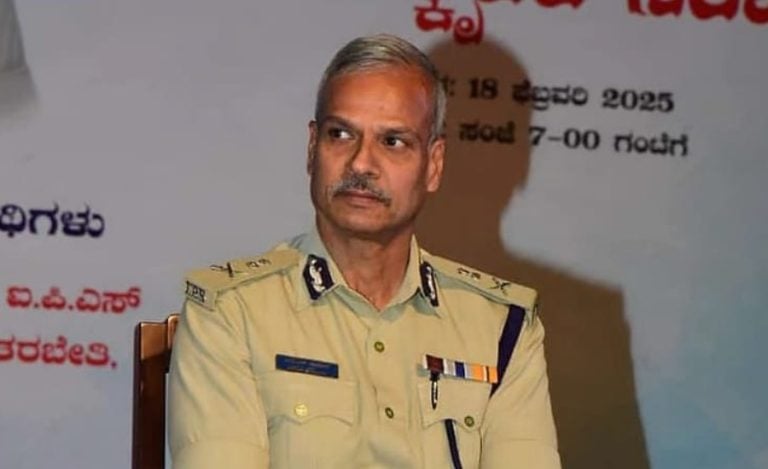
IPS Officer Alok Kumar Writes to Karnataka Chief Secretary Over Phone-Tapping Case, Seeks Correction of SC Submissions
UP IAS Officers Transfer 2026
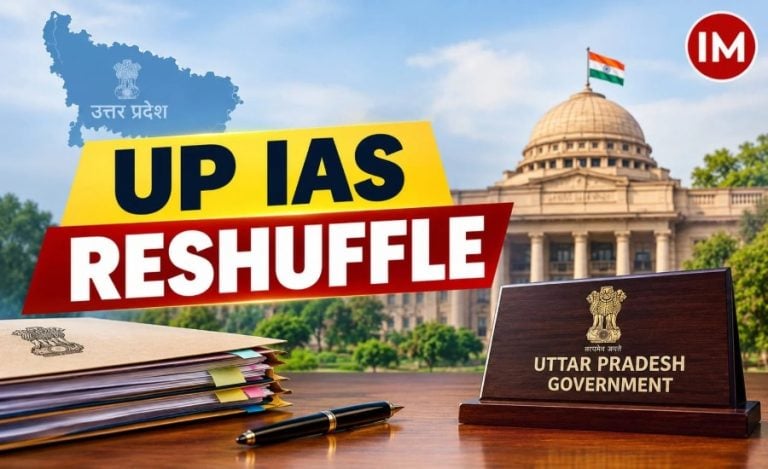
UP Govt Transfers 7 IAS Officers: 4 CDOs Appointed, Dhirendra Singh Sachan Named Panchayati Raj Director
coir-sector
India’s Coir Sector Boosts Rural Employment and Entrepreneurship as Exports Surge 305.7% to ₹6,614 Crore
Vikas Marmat
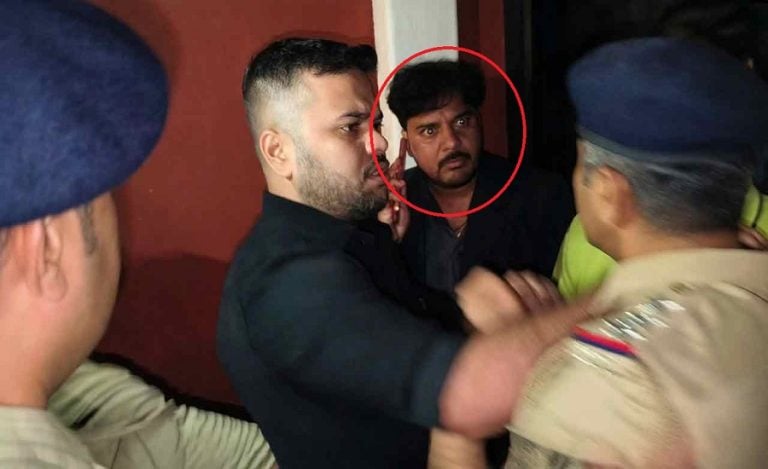
Bengaluru Pub Altercation: IAS Vikas Marmat Booked, Andhra Govt Weighs Action Amid YSRCP's Shielding Charge
ADVERTISEMENT
ADVERTISEMENT
Videos
Dr Saket Badola IFS
Beyond Tigers and Safaris: How Corbett Literature Festival Wants to Change the Conservation Conversation
PK Jena
Why Technology Cannot Replace Human Connection in Governance: P.K. Jena
PK Jena
The IAS Officer Who Put People Before Paperwork: How PK Jena Challenged Corruption and Reformed Governance
ADVERTISEMENT
UPSC Stories
Aayush Sharma
Three CDS Attempts, Five AFCAT Qualifications & Medical Setback: How Aayush Sharma Secured CAPF AIR 135
After three unsuccessful SSB attempts, five AFCAT qualifications and a medical setback, Aayush Sharma...
Tushar Chaudhary IRMS
He Left Intel, Built COPAL-19, Spent Months at AIIMS, Ran Half Marathons, and Returned to UPSC—Tushar Chaudhary’s Journey to IRMS
UPSC ESE AIR 4 Tushar Chaudhary left a ₹25 LPA Intel job, built COPAL-19, spent months at AIIMS, ran...
Mayank Sachan UPSC CAPF
15+ Exam Failures, 15 Years in the Navy: How Mayank Sachan Secured AIR 343 in UPSC CAPF
Former Indian Navy sailor Mayank Sachan secured AIR 343 in UPSC CAPF 2025 after 15+ exam failures, two...
CSR NEWS
MDL CSR Support to Divyasha Vayoshri Kendra
MDL Extends ₹3.79 Crore CSR Support to Divyasha Vayoshri Kendra in Mumbai
The initiative will strengthen access to assistive devices, prosthetics and rehabilitation services for...
MCL CSR Projects
Mahanadi Coalfields Signs MoU for Five CSR Projects Worth ₹22.64 Crore in Odisha’s Sundargarh District 
The projects will focus on rejuvenating three water bodies, promoting freshwater aquaculture in Hemgir...
WCL Women And Child Nutrition
WCL Partners with Prerana Vikas Society to Support Women and Child Nutrition in Madhya Pradesh 
The CSR initiative will cover 27 Anganwadi centres and identified villages in Parasia Block of Chhindwara...
ADVERTISEMENT
ADVERTISEMENT
ADVERTISEMENT
Latest
Rohit Sisodia IAS
Who Is Rohit Sisodia? 2017-Batch IAS Officer Appointed Raisen Collector After Indore Water Tragedy Inquiry
Vikas Marmat IAS Pub Incident
IAS Vikas Marmat Transferred From KADA After Bengaluru Pub Incident; Triggers Scrutiny in Andhra Pradesh
ADVERTISEMENT
ADVERTISEMENT
ADVERTISEMENT
ADVERTISEMENT
ADVERTISEMENT
ADVERTISEMENT
ADVERTISEMENT
Videos
Dr Saket Badola IFS
PK Jena
PK Jena
ADVERTISEMENT
ADVERTISEMENT