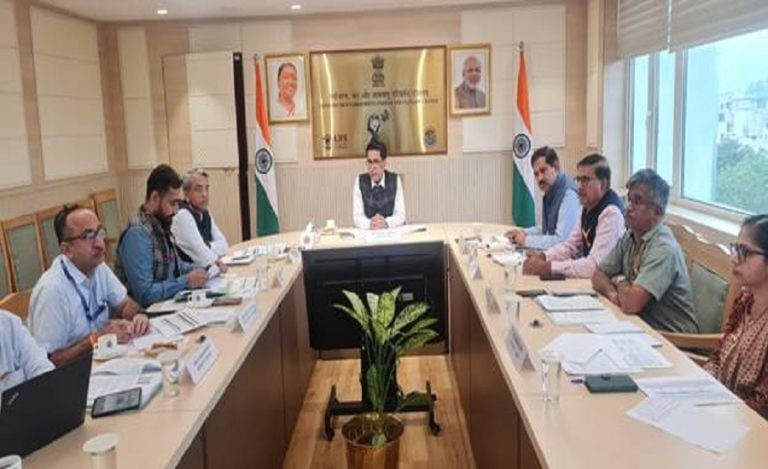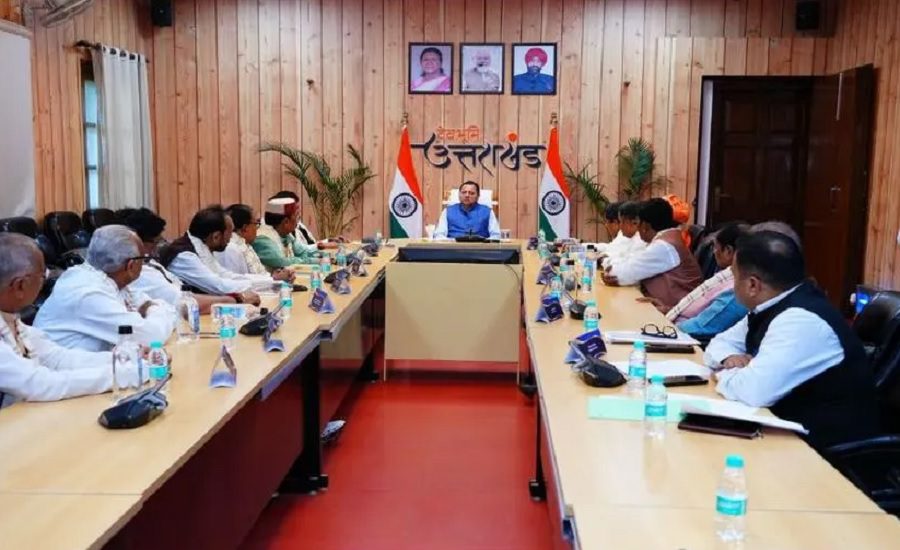
Dehradun: Uttarakhand Chief Minister Pushkar Singh Dhami chaired a high-level review meeting at the Secretariat in Dehradun to assess the ongoing arrangements for the Char Dham Yatra. The Chief Minister emphasized that the core guiding principle of the pilgrimage management should be “safe travel, smooth darshan, and continuous communication.”
He stated that better coordination, effective communication, and systematic management are essential to ensure a safe and successful pilgrimage experience for devotees.
SOPs to Be Prepared for Better Crowd Management
CM Dhami directed officials to prepare a detailed Standard Operating Procedure (SOP) to streamline darshan arrangements across all four shrines based on the number of pilgrims.
He instructed strict enforcement of traffic restrictions on Char Dham routes from 10 PM to 4 AM, ensuring safety on the pilgrimage roads. Heavy vehicles, including trucks and essential service transport, will be allowed only during nighttime hours, while daytime movement will remain restricted.
Crowd Control and Holding Area Management
The Chief Minister emphasized that if any shrine or stopover point exceeds its capacity, pilgrim movement should be regulated through holding areas and checkpoint systems located at lower points.
He directed officials to adopt a phased movement system to avoid overcrowding at the dhams. Adequate facilities such as parking, food, drinking water, and toilets must be ensured at all holding and waiting locations.
Real-Time Information and Communication for Pilgrims
CM Dhami stressed that pilgrims should not only be stopped during crowd control measures but must also be informed about the reasons, expected waiting time, and further arrangements.
He instructed all departments to ensure continuous dissemination of information through:
- Public information systems
- LED display boards
- Social media platforms
- WhatsApp channels
- FM radio
Updates related to road blocks, weather changes, traffic congestion, and darshan delays must be shared promptly to avoid confusion and dissatisfaction among pilgrims.
Focus on Safety During Monsoon and Second Phase of Yatra
The Chief Minister noted that the first phase of the Char Dham Yatra has been successfully completed through coordinated efforts of administration, police, and disaster management teams.
However, he warned that the second phase will be more challenging due to the monsoon season and adverse weather conditions. He called for enhanced vigilance, scientific management, and strict monitoring.
He also directed daily review of feedback, complaints, and suggestions from pilgrims, with immediate corrective action wherever required.
Emergency Preparedness and Infrastructure Support
CM Dhami instructed officials to ensure advance deployment of:
- JCB and Poklen machines
- Satellite phones
- Ambulances
- Rescue and relief equipment
He also directed the appointment of a state-level nodal officer for heli-ambulance services to ensure quick coordination for critical patients requiring air evacuation to higher medical centers.
Hygiene, Food Safety, and Price Monitoring
The Chief Minister instructed that cleanliness must be a top priority across all dhams and trekking routes. Adequate toilet facilities and regular sanitation must be ensured on pedestrian routes.
He also directed strict monitoring of hotels, restaurants, and dhabas along the route to ensure:
- Display of rate lists
- Regular food sampling
- Quality checks of food items
Senior Officials and Leaders Present in the Meeting
The review meeting was attended by several senior dignitaries, including cabinet ministers, legislators, and top administrative officials such as the Chief Secretary, Garhwal Commissioner, IG Garhwal, district magistrates, and police superintendents, along with virtual participation from other key stakeholders.
About Char Dham Yatra Administration
The Char Dham Yatra is one of Uttarakhand’s most important religious pilgrimages, involving large-scale movement of devotees to Yamunotri, Gangotri, Kedarnath, and Badrinath. The state government regularly conducts high-level reviews to ensure safe, well-managed, and efficient pilgrimage operations, especially during peak travel and monsoon conditions.