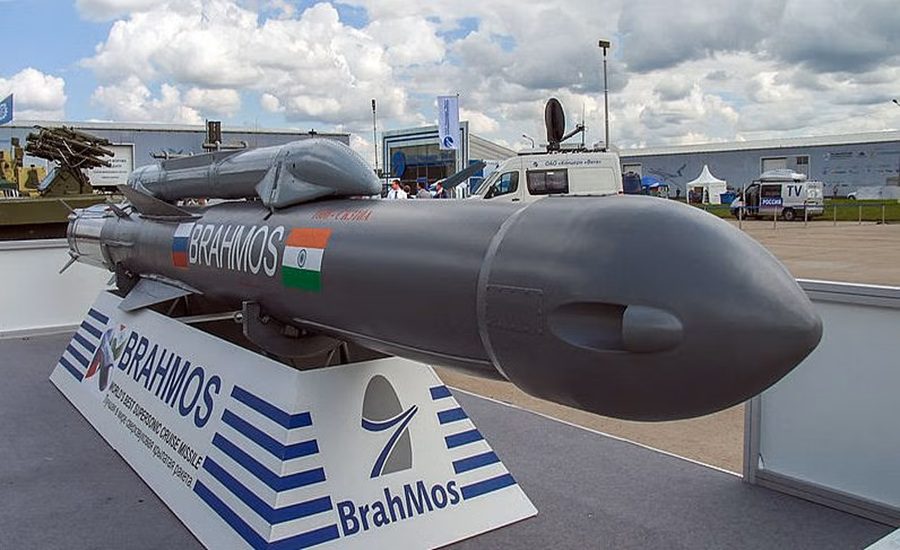
New Delhi: India’s highly anticipated BrahMos-NG flight test’s delayed timeline has shifted after the customer introduced stricter operational requirements. Officials say the delay is not due to technical failure but because engineers are making important design improvements to meet the new standards.
The next-generation BrahMos missile remains one of India’s most important defense projects. The missile is being developed as a lighter, smaller, smarter, and stealthier version of the existing BrahMos supersonic cruise missile.
Why is BrahMos-NG Flight Test Delayed
According to senior officials associated with the program, flight tests have not started because the customer revised its operational requirements. These updated requirements are more demanding than the original specifications.
Read also: Tejas Mk2 Missile Upgrade: How SCALP, Crystal Maze & Rampage Will Transform IAF Strike Capabilities
Officials explained that engineers must now make additional modifications to ensure the missile meets these stricter performance standards before testing begins.
What are the Reasons Behind the BrahMos-NG Flight Test Delay
- Customer requirements have changed.
- Performance standards have become stricter.
- Additional design refinements are required.
- Engineers are updating the missile before flight testing.
- The project itself remains active and on track.
What Is BrahMos-NG?
BrahMos-NG, or BrahMos Next Generation, is the latest version of the BrahMos missile family. The missile is designed to be
- Smaller in size
- Lighter in weight
- Harder to detect by enemy radar
- Easier to carry on multiple fighter aircraft
- More capable for future warfare missions
The existing BrahMos missile weighs around 3,000 kg, while the BrahMos-NG is expected to weigh approximately 1,200–1,500 kg. This reduction will allow fighter jets to carry more missiles at the same time.
Why Is BrahMos-NG Important for India
The BrahMos-NG missile is expected to strengthen India’s precision-strike capability. Defense experts believe the lighter missile will be compatible with a wider range of aircraft and platforms. It is also expected to improve export opportunities for India in the global defense market.
Expected Advantages
- Faster deployment
- Better aircraft compatibility
- Enhanced survivability
- Greater operational flexibility
- Improved export potential
Development Continues Despite Delay
Officials have emphasized that the delay is part of the normal development process for advanced missile systems.
Rather than rushing into testing, the development team is focusing on ensuring the missile fully meets the customer’s updated expectations. This approach is intended to reduce risks during future flight trials and operational deployment.
Future Outlook
The BrahMos-NG program remains one of India’s most closely watched defense projects. Once the ongoing refinements are completed, flight trials are expected to move forward.
The missile is expected to play a major role in the future capabilities of the Indian Armed Forces and could become an important export product for friendly nations.