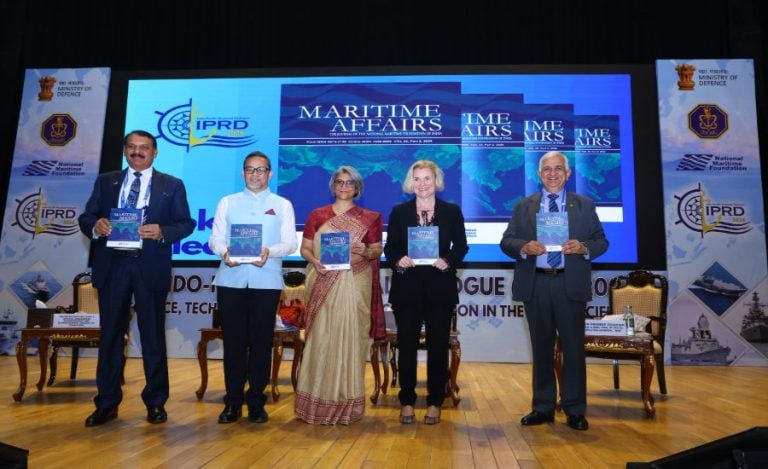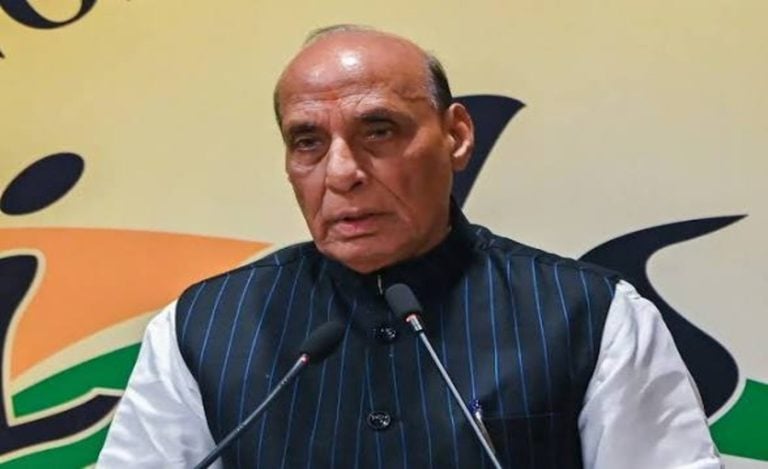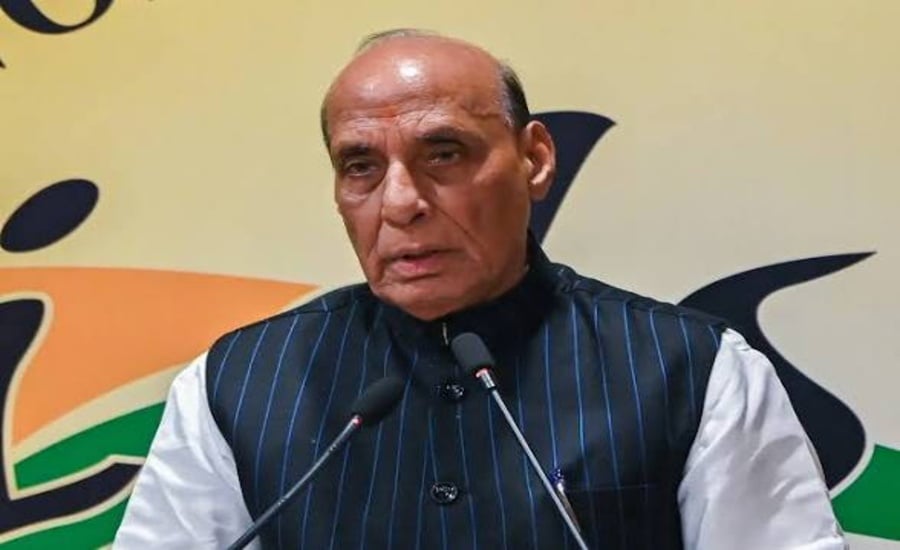
New Delhi: India is strengthening its defence capabilities while opening new opportunities for international cooperation. Defence Minister Rajnath Singh has said that India’s defence self-reliance is not about moving away from the world but becoming stronger for global partnerships. He made these remarks at the third edition of the Delhi Defence Dialogue 2026.
India Defence Vision: Defence Self-Reliance Is About Technological Independence
Addressing the Delhi Defence Dialogue organised by the Manohar Parrikar Institute for Defence Studies and Analyses (MP-IDSA), Rajnath Singh highlighted the importance of developing India’s own defence technologies.
He said that Aatmanirbharta, or self-reliance, should be understood as technological independence. It means India should have the knowledge and ability to design, manufacture, improve and maintain its defence equipment.
The Defence Minister explained that simply assembling military equipment in India is not enough. The country must also develop its own technology, protect intellectual property and maintain defence systems throughout their operational life.
He stressed that India’s critical military requirements should not depend entirely on foreign suppliers.
Four Key Pillars Of India Defence Vision
Rajnath Singh identified four interconnected pillars that will support India’s ambition of becoming a developed nation by 2047. These four pillars are:
- Defence Reforms: Improving policies, institutions and defence manufacturing processes.
- Aatmanirbharta: Developing indigenous defence technologies and reducing foreign dependence.
- International Collaborations: Working with friendly countries to develop advanced technologies.
- Defence Exports: Increasing India’s presence in the global defence market.
He said that these four elements must progress together to strengthen India’s military capabilities and industrial growth. According to the Defence Minister, self-reliance without international cooperation, reforms and exports could limit India’s technological progress and global competitiveness.
Modern Warfare Is Changing With New Technologies
The Defence Minister also highlighted how modern warfare is changing rapidly. He said that today’s battlefields are no longer limited to land, sea and air. Space, cyberspace and digital technologies are also becoming important parts of military operations.
Recent global conflicts have shown how relatively inexpensive drones and autonomous systems can challenge advanced and costly military platforms.
He emphasised that having advanced weapons is not enough. Countries must also be able to develop new technologies quickly, manufacture equipment on a large scale and replace military resources when required.
This makes technological innovation and strong domestic manufacturing essential for India’s future defence preparedness.
Government Encourages Private Sector Participation In Defence Manufacturing
Rajnath Singh highlighted the Government’s efforts to strengthen India’s domestic defence manufacturing industry.
He mentioned important initiatives such as establishing Defence Industrial Corridors and transforming the former Ordnance Factory Board into seven Defence Public Sector Undertakings (DPSUs).
These reforms aim to improve efficiency, manufacturing capacity and competitiveness in the Indian defence sector.
The Defence Minister also called for greater participation from private companies, MSMEs, start-ups and academic institutions. He highlighted several important defence programmes that offer opportunities for private industries, including:
- Advanced Medium Combat Aircraft (AMCA)
- Advanced propulsion systems
- Advanced Towed Artillery Gun System (ATAGS)
- Artillery ammunition manufacturing
- Defence shipbuilding
He said that greater private sector involvement could accelerate indigenous development and strengthen India’s position in the international defence market.
India Records Strong Growth In Defence Production And Exports
Rajnath Singh highlighted the progress made by India’s defence manufacturing industry in recent years.
According to the Ministry of Defence, India’s defence production reached approximately Rs 1.78 lakh crore in the financial year 2025-26.
India’s defence exports also increased to Rs 38,424 crore during the same financial year. Indian-made defence products are now reaching more than 80 countries, showing the growing international demand for the country’s defence equipment.
The Defence Minister credited policy reforms, improved manufacturing capabilities and the contributions of public and private sector companies for this progress. He also highlighted the importance of MSMEs and start-ups in developing India’s domestic defence industrial ecosystem.
India Defence Vision: India Targets Rs 3 Lakh Crore Defence Production By 2029
The Government has set ambitious targets for the Indian defence industry. India aims to achieve:
- Defence Production: Rs 3 lakh crore by 2029.
- Defence Exports: Rs 50,000 crore by 2029.
To achieve these targets, the country needs to expand manufacturing capacity, improve product quality and develop globally competitive defence technologies.
Rajnath Singh also called for expanding defence exports beyond equipment sales. He said that maintenance, repair, training, logistics and technology cooperation should become important parts of India’s international defence partnerships. This approach could help Indian companies build long-term relationships with international customers.
Defence Research Must Balance Military Needs And Innovation
Another important issue raised by Rajnath Singh was the role of research and development (R&D) in defence technology. He said that the armed forces must remain important partners in defence research because their battlefield experience helps researchers understand actual military requirements. However, he also warned against limiting research only to existing military needs.
According to him, researchers should have the freedom to explore new ideas, experiment with advanced technologies and develop solutions that may become important in the future.
He emphasised that successful innovations must move beyond laboratories and prototypes towards actual manufacturing and military use.
This approach can help India develop advanced technologies instead of depending on foreign defence systems.
India Seeks Stronger International Defence Partnerships
Rajnath Singh clarified that India’s self-reliance policy does not mean isolation from other countries.
Instead, India wants to build stronger partnerships based on co-development, co-production and shared innovation.
He said that future international defence agreements should provide Indian companies with meaningful participation in designing and developing advanced technologies.
Such partnerships should also ensure access to critical technologies, fair sharing of intellectual property and opportunities for Indian companies to join global supply chains.
The Defence Minister highlighted that India’s large domestic market, growing industrial base and skilled scientific workforce offer attractive opportunities for international defence companies.
He expressed confidence that stronger international cooperation would help India become a more competitive defence technology partner.
Read also: Rajnath Singh Chairs Key Defence Meeting In Jaisalmer: What Is On The Agenda?
FAQs
India aims to achieve Rs 3 lakh crore in defence production and Rs 50,000 crore in defence exports by 2029.
Rajnath Singh said that India’s defence self-reliance is not a retreat from the world. It will make India technologically stronger and better positioned for international defence partnerships.
The four pillars are defence reforms, Aatmanirbharta (self-reliance), international collaborations and defence exports. These are important for India’s ambition of becoming a developed nation by 2047.