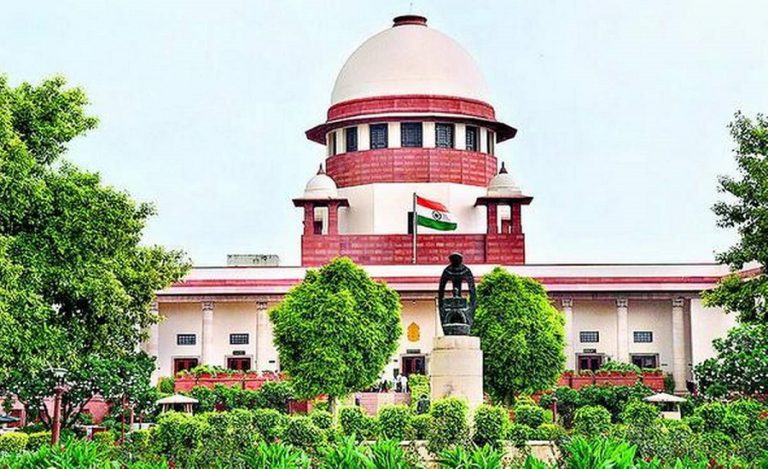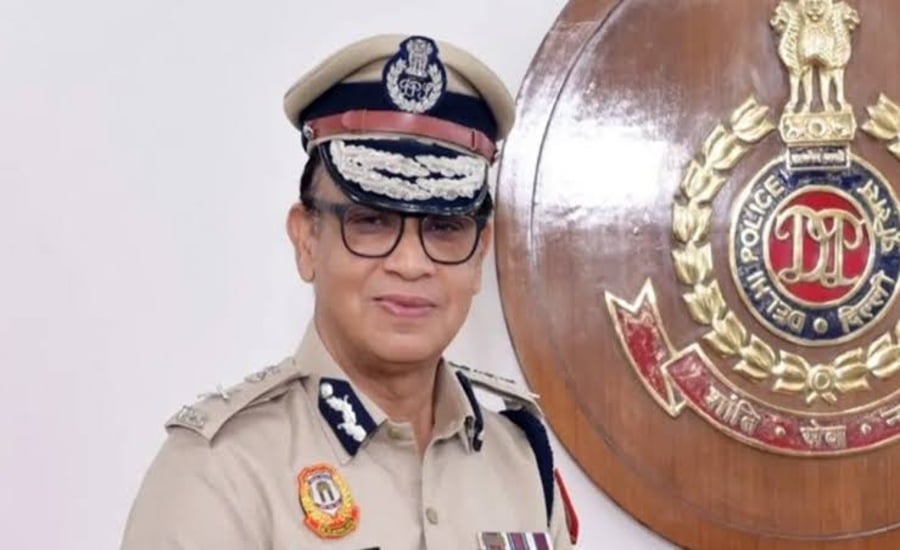
New Delhi: Delhi Police has defended its decision to impose restrictions on public gatherings in several parts of New Delhi under Section 163 of the Bharatiya Nagarik Suraksha Sanhita (BNSS), 2023. The police told the Supreme Court that these restrictions were necessary to prevent another law-and-order situation like the one witnessed during the July 2026 protests.
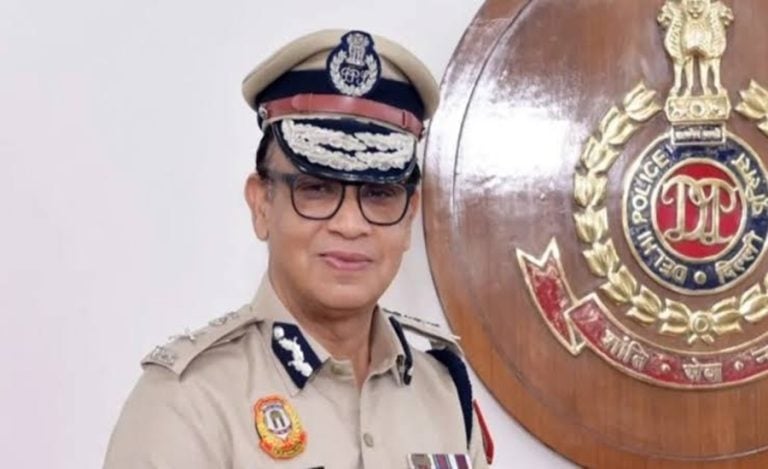
In an additional affidavit, Delhi Police Commissioner Anurag Kumar, a 1994-batch IPS officer of AGMUT cadre said the measures were introduced to protect public safety, prevent traffic problems and maintain peace around important government buildings.
Why Did Delhi Police Impose Section 163 Restrictions
Delhi Police said the restrictions were introduced because of the sensitive nature of several areas in the national capital.
Read also: 7 FIRs Over One Incident? Karnataka HC Issues FIR Guidelines For Police
These areas include Parliament, Rashtrapati Bhawan, India Gate, Jantar Mantar and important government offices.
According to the police, large gatherings and protests could block roads, create safety risks and disturb public peace.
The police also referred to the events during the July 2026 protests, including concerns about large crowds and possible law-and-order problems.
The affidavit was submitted after the Supreme Court asked Delhi Police on October 15 to provide records of orders issued under Section 163 in New Delhi.
The matter followed a petition filed by CPI(M) General Secretary M.A. Baby.
Seven Areas Covered Under Section 163 Orders
Delhi Police submitted details of seven orders issued between August 19 and September 26, 2026. These orders covered different police sub-divisions across the capital.
The seven areas included:
- Connaught Place
- Tughlaq Road
- Parliament Street
- Chanakyapuri
- Barakhamba Road
- Safdarjung Enclave
- Defence Colony
The police explained that restrictions were imposed according to the security needs and local conditions of each area.
Delhi has 15 police districts and 72 police sub-divisions. Police said such orders are issued according to the law-and-order situation in specific locations.
Delhi Police Section 163 Order: What Activities Were Restricted
The orders placed several restrictions on public gatherings and demonstrations.
Without prior written permission, people were generally not allowed to:
- Organise public meetings and gatherings of five or more people.
- Hold processions and demonstrations.
- Shout slogans or deliver public speeches.
- Organise picketing and public protests.
- Carry firearms, banners, placards, lathis and certain other objects.
The restrictions also covered dharnas in public places without written permission. However, the exact conditions depended on the order issued for each police sub-division.
Why Were Connaught Place And Other Areas Considered Sensitive
Delhi Police gave different reasons for imposing restrictions in different locations.
Connaught Place
Police described Connaught Place as a busy commercial area with heavy vehicle and pedestrian movement.
The authorities said large gatherings could block traffic, create safety problems and disturb public peace.
The order covered the Connaught Place sub-division but excluded the designated Jantar Mantar area. It was issued for 60 days from August 21.
Tughlaq Road
The police highlighted the presence of India Gate, Kartavya Path, Central Vista Lawns, embassies and the Ambassador’s residence.
Along with restrictions on public gatherings, the order also prohibited the movement of heavy vehicles, including trucks and tractors, in the specified area.
Parliament Street
Parliament Street was considered sensitive because of its heavy traffic and importance as a government area.
Police said unrestricted public meetings and processions could affect traffic movement and public safety.
Chanakyapuri
Chanakyapuri is home to important locations, including Rashtrapati Bhawan, the Prime Minister’s residence, foreign embassies and other important installations.
The restrictions covered the jurisdictions of Chanakyapuri and South Avenue police stations.
Barakhamba Road
Police described Barakhamba Road as another busy area with heavy vehicle and pedestrian movement.
The authorities said large public gatherings could cause traffic problems and disturb public peace.
Were The Delhi Police Section 163 Order A Complete Ban On Protests Across Delhi
Delhi Police clarified that the restrictions were not introduced as a blanket ban across the entire New Delhi district.
Instead, different police sub-divisions issued separate orders based on local security requirements. Importantly, Jantar Mantar Road was excluded from the prohibitory orders issued for the Connaught Place and Parliament Street areas.
According to the police’s statement before the Supreme Court, demonstrations at Jantar Mantar were allowed with prior written permission and subject to a 5 PM deadline.
This distinction is important because the police maintained that the restrictions were location-specific preventive measures rather than a general ban on the right to protest.
What Does Section 163 Of BNSS Mean
Section 163 of the Bharatiya Nagarik Suraksha Sanhita, 2023, gives the authorities power to issue urgent orders in situations involving potential danger, public disturbance or threats to safety.
It is the provision that replaced the earlier Section 144 of the Code of Criminal Procedure (CrPC).
The purpose is to prevent situations that could threaten human life, public safety or public peace. Such orders can restrict certain activities for a limited period when authorities believe immediate action is necessary.
What Happens If Someone Violates The Delhi Police Section 163 Order
The Delhi Police affidavit stated that violations of the restrictions could attract action under Section 223 of the Bharatiya Nyaya Sanhita (BNS), 2023. This provision deals with disobedience of orders issued by public servants.
Therefore, people who organise gatherings or demonstrations in restricted areas without the required permission may face legal action. The police said the orders were issued under the relevant legal powers and applicable government notifications.
Read also: What is the Arrested Persons 5 PM Rule, Kerala High Court Clarified It
FAQs
The seven areas were Connaught Place, Tughlaq Road, Parliament Street, Chanakyapuri, Barakhamba Road, Safdarjung Enclave and Defence Colony.
Delhi Police imposed Section 163 restrictions to prevent law-and-order problems, traffic disruption and safety risks during large public gatherings, especially in sensitive areas of the capital.
Section 163 of the Bharatiya Nagarik Suraksha Sanhita replaced Section 144 of the earlier Criminal Procedure Code. Both provisions allow authorities to issue preventive orders in urgent situations involving potential danger or public disturbance.