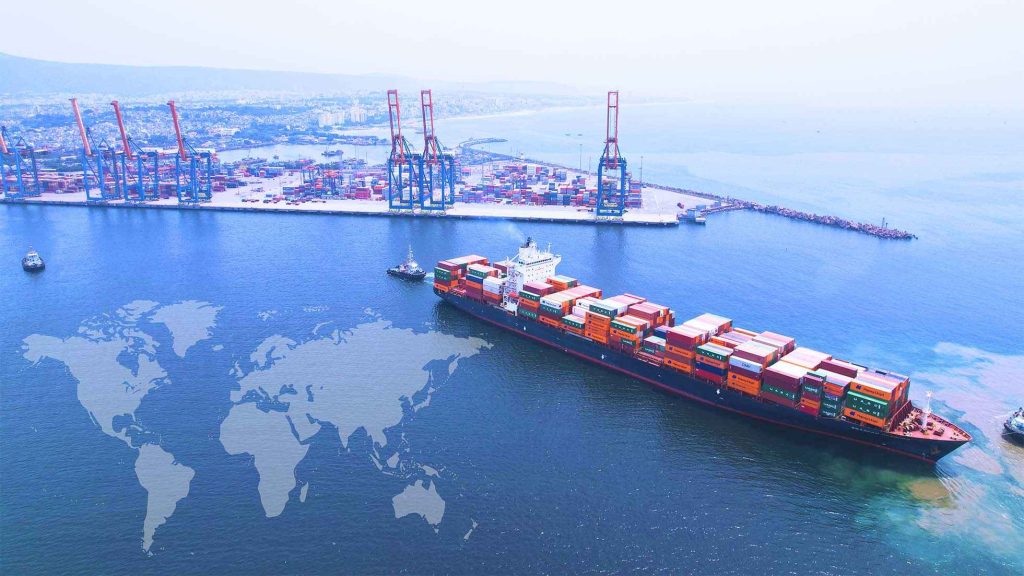
Vishakhapatnam: Visakhapatnam Port has achieved a significant milestone by successfully berthing the Cape-sized bulk carrier MV Graceous at its inner harbour. The achievement highlights the growing capability of the Visakhapatnam Port Authority (VPA) to handle some of the world’s largest dry bulk vessels and strengthens its position as one of India’s leading cargo gateways.
The successful berthing demonstrates the port’s improved infrastructure, deeper draft facilities, and operational efficiency, which are essential for accommodating large ocean-going vessels.
Key Highlights of Visakhapatnam Port Cape-Sized Bulk Carrier
- MV Graceous is a 292-metre-long Cape-sized bulk carrier.
- The vessel arrived at the port’s EQ-1 berth.
- It has a beam of 45 metres.
- The vessel carries a draft of 12.2 metres.
- MV Graceous was carrying 100,198 tonnes of cargo.
- The operation was completed successfully at Visakhapatnam’s inner harbour.
- The achievement adds another Cape-compliant berth to the port’s capabilities.
Read also: What Makes INS Arnala Special? Inside India’s First Home-Built Anti-Submarine Shallow Water Craft
What Is a Cape-Sized Bulk Carrier?
Cape-sized vessels are among the largest bulk carriers operating globally.
Characteristics of Cape-Sized Ships
- Deadweight capacity can reach up to 200,000 tonnes.
- These ships are generally too large to pass through the Panama Canal.
- Most voyages require navigation around the Cape of Good Hope, from which the category gets its name.
- They are commonly used for transporting:
- Iron ore
- Coal
- Bauxite
- Grain
- Other bulk commodities
Because of their size, only a limited number of ports worldwide can safely accommodate fully loaded Cape-sized vessels.
What is the Importance of Visakhapatnam Port Cape-Sized Bulk Carrier
The successful berthing of MV Gracious is more than a routine port operation.
Strategic Benefits
1. Higher Cargo Handling Capacity
Handling larger vessels allows more cargo to be moved in a single voyage, reducing transportation costs and improving supply chain efficiency.
2. Greater Global Competitiveness
Ports capable of handling Cape-sized vessels become more attractive to international shipping lines and bulk commodity traders.
3. Boost for Eastern Coast Logistics
The achievement strengthens Visakhapatnam’s role as a major maritime hub on India’s eastern coast and supports growing trade volumes.
4. Increased Revenue Potential
Larger vessels bring higher cargo throughput, which can contribute to increased port revenues and economic activity in the region.
Analysis: What It Means for India’s Maritime Sector
India has been investing heavily in port modernization under various maritime development initiatives. The successful handling of MV Gracious reflects how Indian ports are gradually upgrading to accommodate larger vessels and support international trade growth.
Industry experts often view Cape-sized vessel handling capability as a sign of:
- Better marine infrastructure
- Efficient berth management
- Enhanced dredging and draft maintenance
- Stronger logistics connectivity
For Visakhapatnam Port, this achievement could help attract additional bulk cargo traffic, especially commodities such as iron ore, coal, and minerals that are typically transported using large bulk carriers.
Visakhapatnam Port’s Growing Importance
Visakhapatnam is already one of India’s most important port cities and hosts major maritime infrastructure. The city is recognized as a key commercial and industrial hub on the Bay of Bengal and is home to significant port operations that support domestic and international trade.
Recent cargo-handling records achieved by the Visakhapatnam Port Authority further indicate sustained growth in cargo volumes and operational performance.