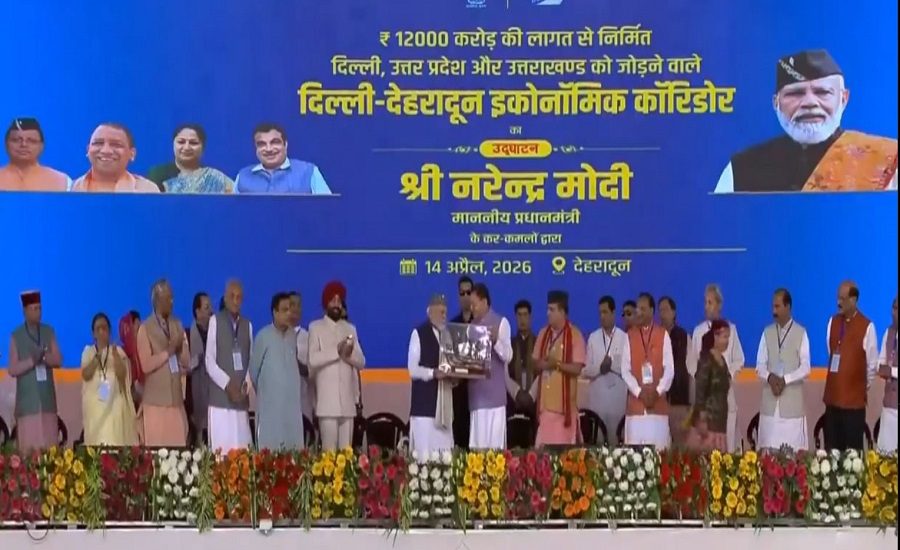
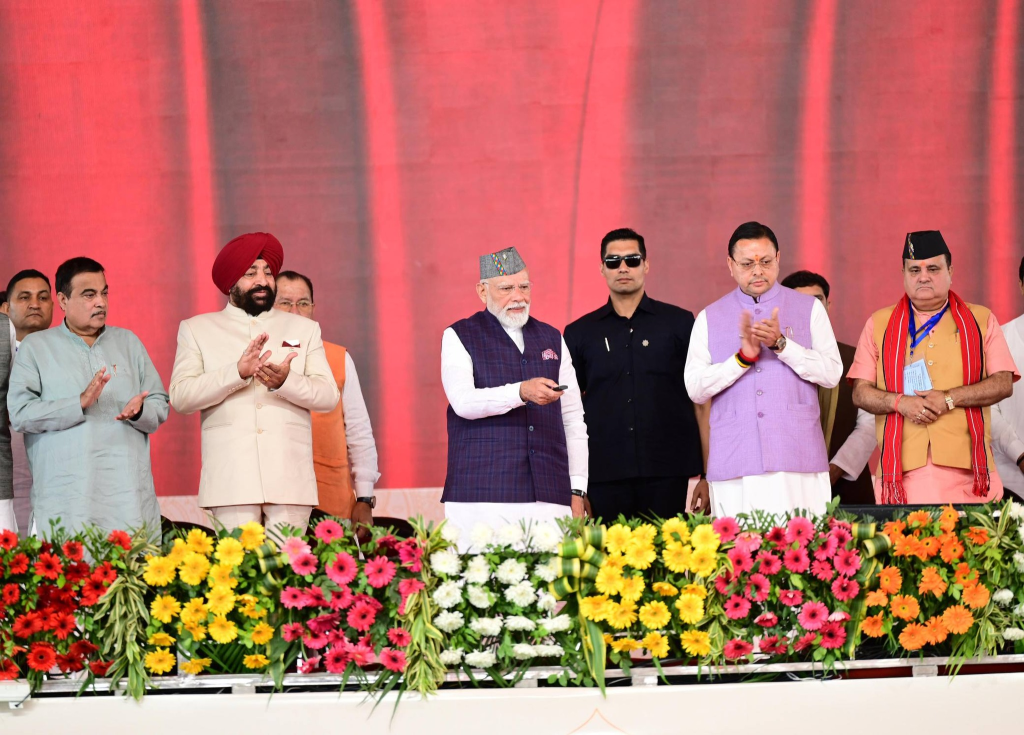
Saharanpur/Dehradun: The long-awaited Delhi–Dehradun Expressway (Delhi–Dehradun Economic Corridor) was inaugurated on Tuesday, April 14, 2026, by Prime Minister Narendra Modi. Built at a cost of around ₹12,000 crore, the 213-km, six-lane access-controlled expressway is set to transform connectivity between Delhi and Uttarakhand.
With the opening of the corridor, travel time between Delhi and Dehradun has been reduced from 6 hours to just about 2.5 hours.
Key Infrastructure Project Connecting Three States
The expressway passes through Delhi, Uttar Pradesh, and Uttarakhand, making it a crucial infrastructure link for the entire region.
The project was developed with participation from:
- Union Minister for Road Transport and Highways Nitin Gadkari
- Uttarakhand Chief Minister Pushkar Singh Dhami
Officials said a large portion of the corridor runs through Uttar Pradesh, making it a key beneficiary state.
Major Features of the Expressway
The Delhi–Dehradun Economic Corridor includes advanced infrastructure designed for speed, safety, and convenience:
- 10 major interchanges
- 3 railway overbridges (ROB)
- 4 large bridges
- 12 wayside amenities (rest and food facilities)
- Advanced Traffic Management System (ATMS)
These features ensure smooth and uninterrupted high-speed travel for commuters.
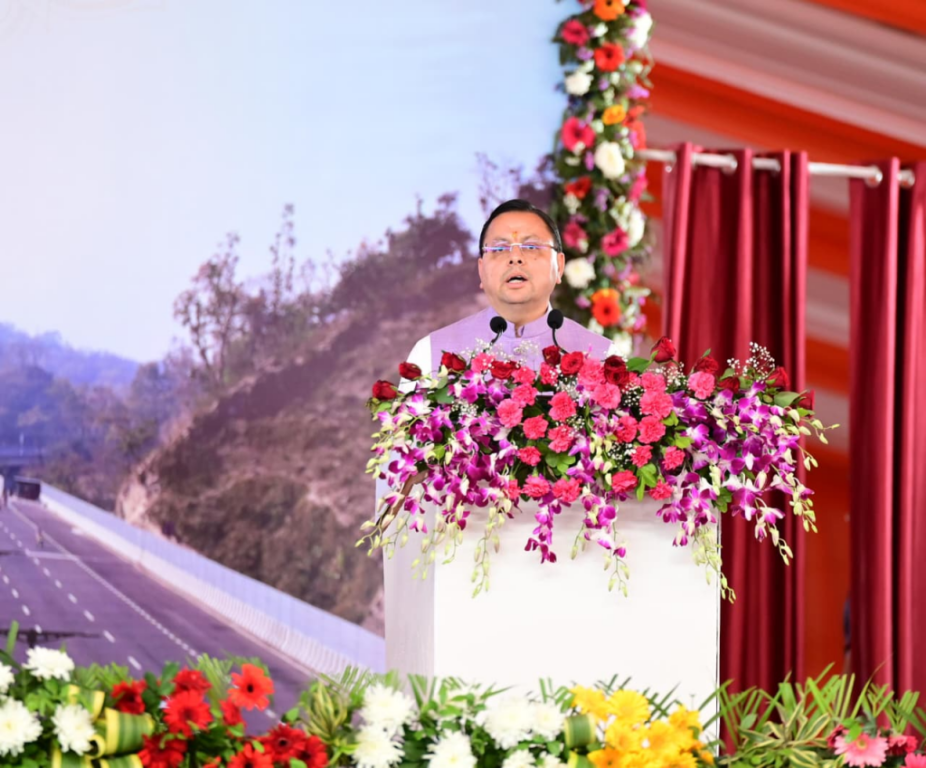
Asia’s Longest Wildlife Elevated Corridor
A major highlight of the project is its strong focus on environmental conservation.
The expressway includes:
- 12 km long wildlife elevated corridor (one of the longest in Asia)
- 8 animal underpasses
- 2 elephant underpasses (200 metres each)
- 370-metre tunnel near Maa Dat Kali Temple
These structures are designed to minimise human–wildlife conflict and ensure safe animal movement.
Boost to Tourism, Jobs and Regional Economy
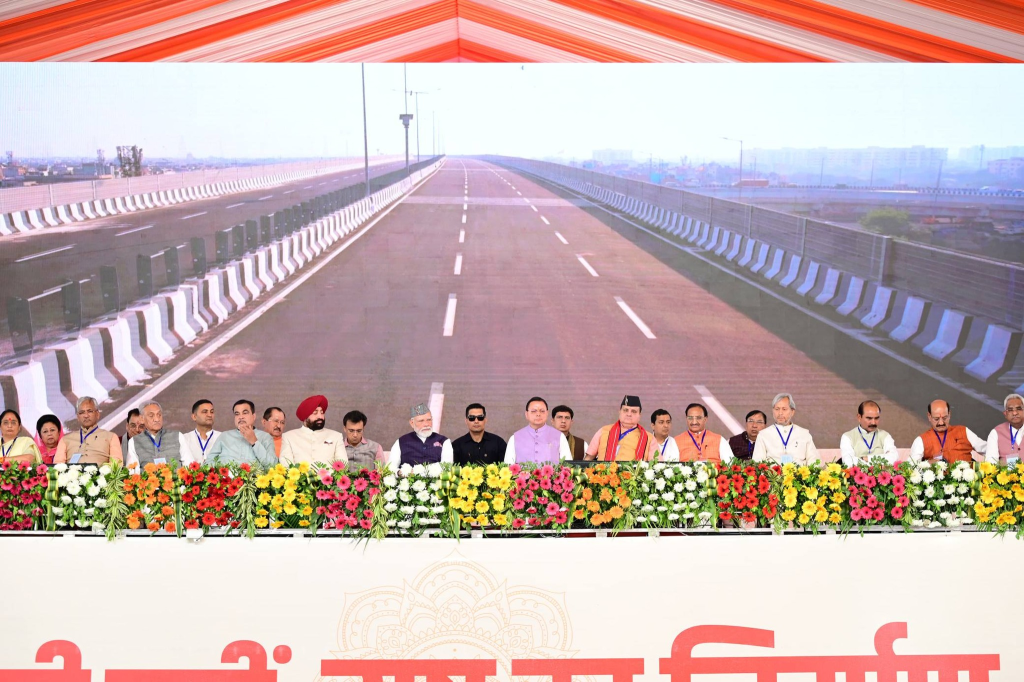
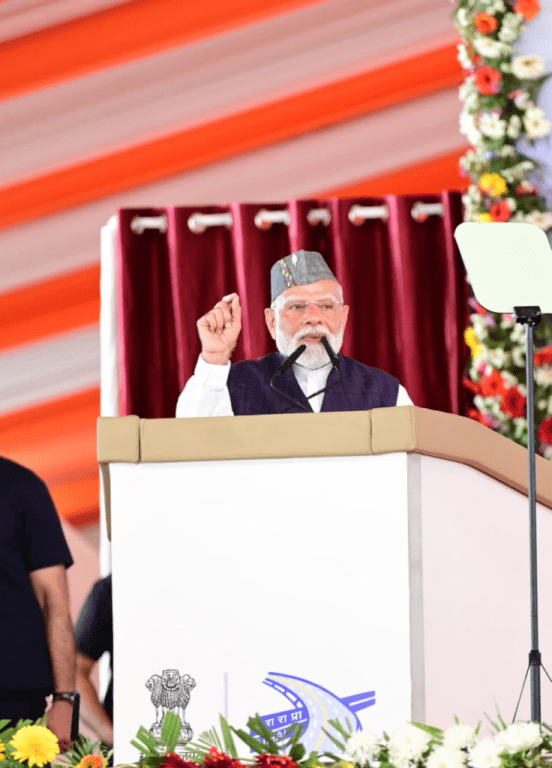
Prime Minister Modi said the expressway is a major step toward building a “developed India,” describing highways as “lifelines of national development.”
Key economic benefits include:
- Improved access to Uttarakhand’s tourist destinations
- Growth in regional trade and business activity
- Thousands of direct and indirect job opportunities
- Strengthening of tourism-driven economy
He added that such infrastructure projects act as “lifelines of the nation’s progress.”
Safety and Smart Travel Features
The corridor is equipped with:
- Advanced Traffic Management System (ATMS)
- Smart monitoring systems for safety
- Designed for uninterrupted high-speed travel
Officials said the system will make travel safer, faster, and more efficient for passengers.
PM Modi’s Visit and Public Engagement
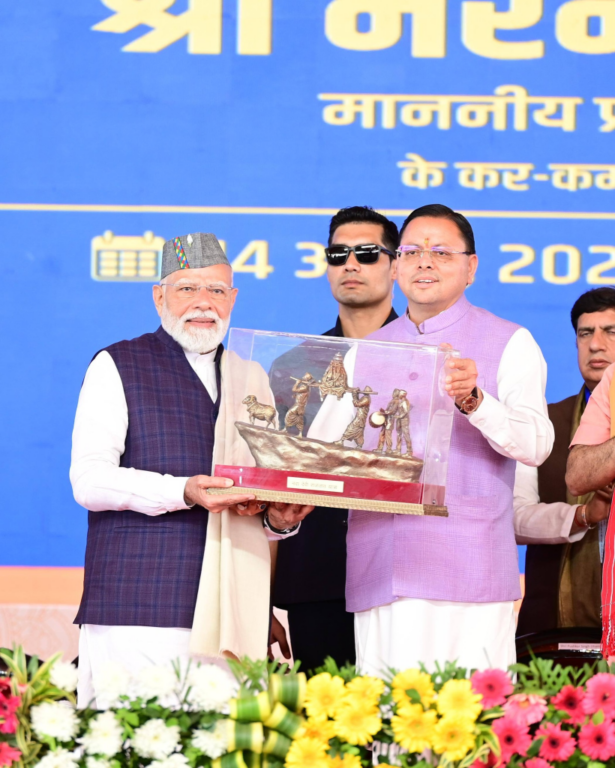
Before the inauguration, PM Modi:
- Inspected the wildlife corridor section in Saharanpur
- Held a roadshow interacting with people along the route
- Offered prayers at Maa Dat Kali Temple in Dehradun
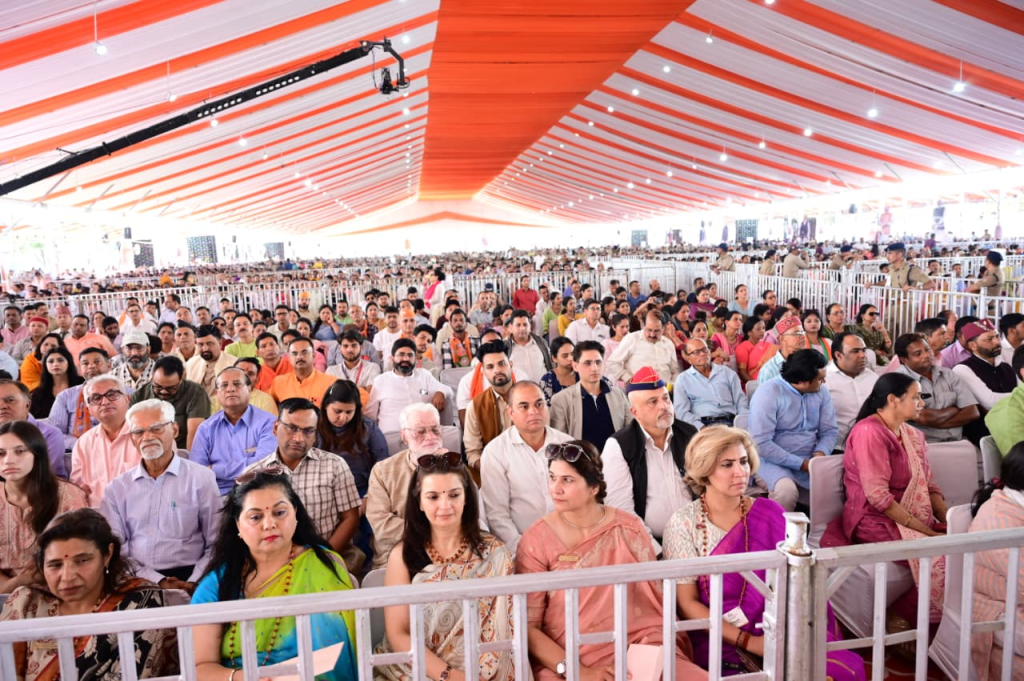
Large crowds gathered in both states to welcome the Prime Minister.
Strong Push for Regional Development
According to officials, the expressway will strengthen connectivity between major economic and tourism hubs, opening new avenues for:
- Investment
- Industrial growth
- Infrastructure development
Union Minister Nitin Gadkari said the project will drive economic growth, employment generation, and tourism expansion across the region.
The Delhi–Dehradun Expressway marks a major milestone in India’s infrastructure development, offering faster connectivity, economic growth, and environmentally sustainable engineering. With reduced travel time and modern facilities, it is expected to significantly boost development across Delhi, Uttar Pradesh, and Uttarakhand.