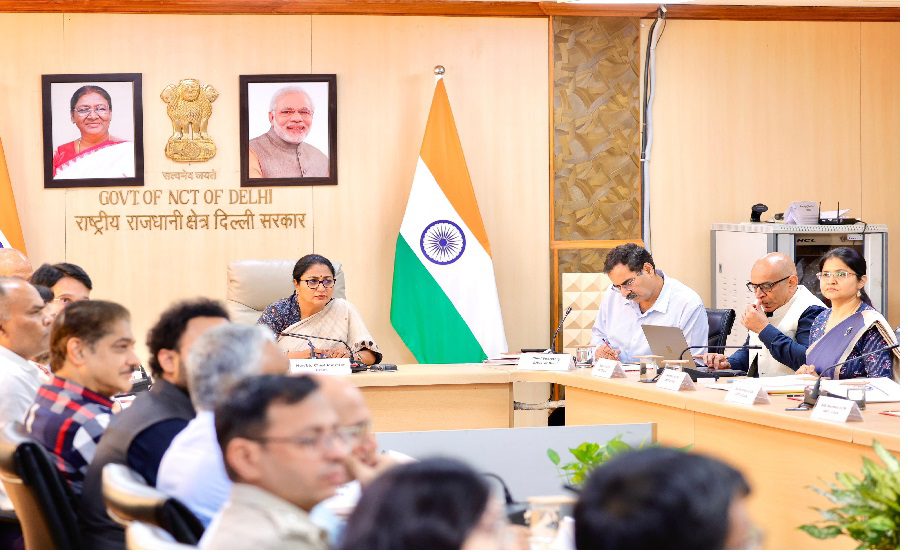
Delhi: Under the leadership of Delhi Chief Minister Rekha Gupta, the Delhi government is finalizing its Logistics and Warehousing Policy, aimed at enhancing the efficiency, speed, and cost-effectiveness of goods transportation and supply chains in the national capital. This initiative is expected to make business operations easier, reduce congestion, and promote a sustainable, environment-friendly logistics ecosystem.
Key Objectives of the Policy
CM Rekha Gupta highlighted that the primary goals of the policy are:
- Reduce traffic congestion caused by goods transportation within the city
- Minimize pollution and environmental impact
- Develop Delhi as a modern, efficient, and eco-friendly logistics hub
The policy envisions the development of Urban Consolidation and Logistics Distribution Centers (UCLDCs) in peripheral areas outside the city to aggregate large shipments, which will then be distributed efficiently within Delhi.
Read also: Delhi CM Rekha Gupta Cuts Government Vehicle Use After PM Modi’s Appeal for Fuel Conservation
Warehousing and Last-Mile Delivery Improvements
The policy includes the development of market-level warehouses and micro-supply centers, ensuring faster and more organized last-mile deliveries. Plans also involve:
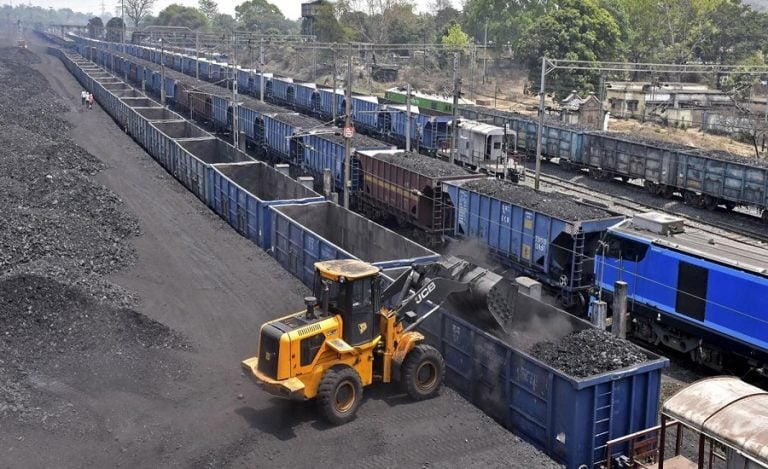
- Modernizing Inland Container Depots (ICDs)
- Establishing logistics corridors, truck terminals, and parking hubs
- Creating cold storage facilities near wholesale markets to improve storage and transportation of perishable goods
Environmental and Technological Focus
Environmental sustainability is a key priority of the policy. Initiatives include:
- Promoting the use of electric vehicles in goods transportation
- Encouraging solar-powered warehouses and energy-efficient infrastructure
- Implementing the Unified Logistics Interface Platform (ULIP) for real-time monitoring and management of cargo movement
Advanced technologies like AI-based planning, real-time tracking, and digital freight management systems will optimize route planning, delivery scheduling, and reduce logistics costs.
Boost to E-Commerce, Industry, and Employment
The policy is expected to benefit sectors such as:
- E-commerce
- Textiles
- Construction materials
- Fresh produce
- Electronics
It will enhance productivity, competitiveness, and third-party logistics (3PL) services. The government plans to offer capital subsidies up to 50% (maximum ₹50 crore), interest subsidies, and electricity cost relief to attract private investment.
Significant employment opportunities will be created across warehousing, transport, logistics parks, cold chain management, packaging, IT services, and allied sectors. Skill development programs with incentives up to ₹5,000 per employee will ensure a trained workforce.
Simplified Regulations and Investment-Friendly Measures
- Strengthening the single-window system for permits and approvals
- 24×7 operation for warehousing and logistics activities
- Simplified licensing and compliance processes
- Gradual relocation of wholesale markets outside the city under Master Plan Delhi 2041
- Prompt allocation of land for logistics hubs
These measures are expected to enhance ease of doing business, attract investment, and align Delhi’s logistics efficiency with national standards, improving the city’s ranking in the LEADS (Logistics Ease Across Different States) framework.
Vision for a Modern, Efficient, and Green Logistics Hub
CM Rekha Gupta emphasized that this policy will strengthen supply chains, accelerate industrial growth, create jobs, and attract significant investment. With better infrastructure, digital integration, and sustainable practices, Delhi is poised to emerge as a nationally benchmarked, environmentally responsible, and technologically advanced logistics hub.