New Delhi: The Delhi government is considering additional Floor Area Ratio (FAR) relaxations and redevelopment of existing hostels to address the shortage of safe and affordable accommodation for students coming to the capital.
The move follows a safety audit ordered after a building collapse in Satya Niketan, where a portion of a building reportedly collapsed during illegal structural alterations, resulting in fatalities. The incident highlighted concerns over unsafe construction and unregulated student accommodation in several parts of Delhi.
Over 2 Lakh Migrant Students Drive Housing Demand
Delhi receives more than 2 lakh students from outside the city every year, creating significant pressure on established student hubs such as Satya Niketan, Hudson Lane, Laxmi Nagar and Vijay Nagar.
With limited hostel capacity, many students depend on private PGs and hostels, where safety standards and rental practices can vary considerably.
The government is therefore examining ways to increase accommodation capacity while ensuring that higher-density development does not compromise structural and fire safety.
Read Also: Building Better Neighbourhoods: Delhi CM Rekha Gupta Launches Development Works in Shalimar Bagh
Additional FAR Relaxation Under Consideration
The government is exploring additional FAR provisions specifically for student housing and institutional hostels. Higher FAR could allow more accommodation to be created vertically on existing plots, reducing pressure to find large additional parcels of land.
However, key planning and master-plan provisions fall under the Delhi Development Authority (DDA) and the Union Ministry of Housing and Urban Affairs (MoHUA). The Delhi government is expected to seek the Centre’s support and necessary approvals for additional FAR allowances.
DU and Other Hostels Could Get Faster Approvals
Existing hostels attached to educational institutions could also undergo redevelopment under updated norms.
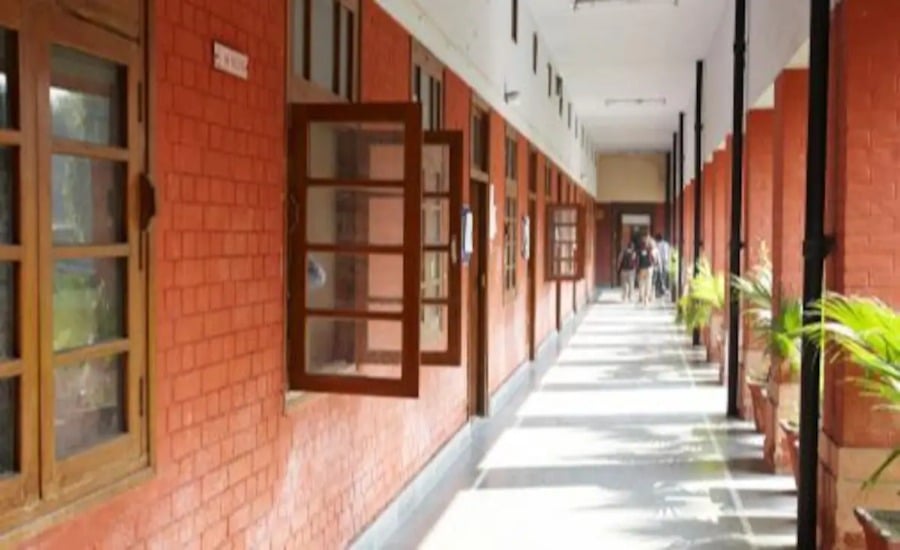
Building plans and redevelopment proposals involving institutions such as Delhi University, IP University and state-run colleges are expected to be placed on a fast-track approval mechanism.
The approach could help institutions increase hostel capacity without waiting through lengthy approval processes.
Unified Portal to Regulate PGs and Coaching Centres
A comprehensive regulatory framework for private PGs, hostels and coaching centres is expected within one to one-and-a-half months.
A unified web portal will require private PGs, hostels and coaching establishments to register and demonstrate compliance with prescribed standards.
These are expected to include:
- Structural safety certificates and fire clearances
- Minimum space and sanitation standards per student
- Standardised rental terms to protect students from unfair practices
The proposed system is aimed at bringing scattered private accommodation under a common regulatory framework and improving transparency for students and their families.
Narela Flats May Become Student Housing
The government is also examining an alternative to accommodation shortages in central student areas by considering vacant and unallotted DDA housing in Narela for student accommodation.
Thousands of residential flats in the area could potentially be repurposed into dedicated student housing hubs.
Connectivity, however, remains a major challenge because Narela is located away from major university campuses. To address this, the government plans to explore dedicated Delhi Transport Corporation (DTC) feeder and shuttle services linking Narela with North and South Campus areas and other major educational centres.
Focus on Safety After Satya Niketan Incident
The policy push follows a high-level review chaired by the Lieutenant Governor, with the government examining ways to prevent illegal structural modifications and improve oversight of student accommodation.
The broader objective is to expand housing capacity while ensuring that buildings used by students meet structural, fire, sanitation and occupancy standards.
If implemented, the measures could reshape Delhi’s student housing system by combining higher development potential, hostel redevelopment, stricter regulation and better connectivity. For thousands of students arriving in the capital each year, the focus will be on creating accommodation that is not only available but also safe and legally compliant.
Read Also: Delhi Uses Tech-Based Randomisation to Post Sub-Registrars Across All 39 Sub-Divisions