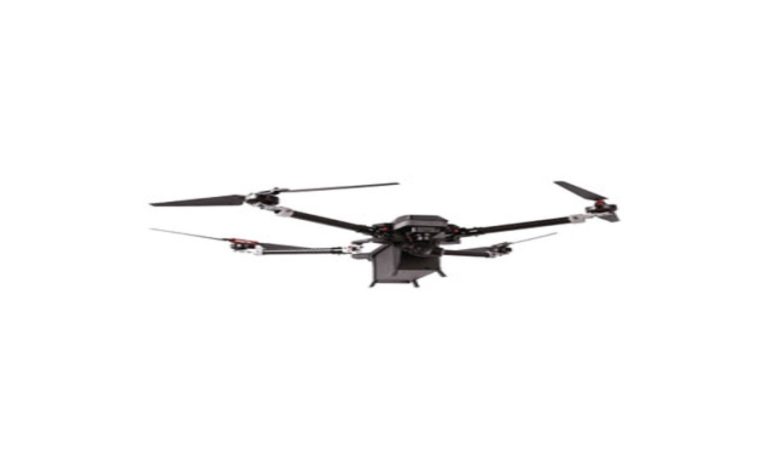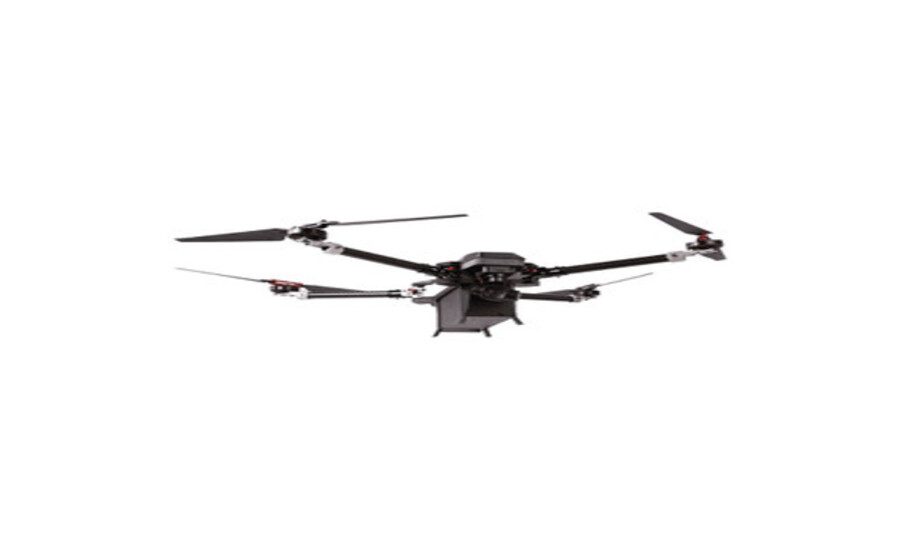
New Delhi: DRDO VTOL logistics drone programme has taken a major step forward as the Defence Research and Development Organisation (DRDO) plans to build an indigenous heavy-lift unmanned aircraft for supplying Indian Army troops deployed in remote border regions. The proposed drone is designed to carry a 200 kg payload, operate in extreme weather, and navigate even when GPS or other satellite navigation systems are jammed. The project aims to improve logistics support for troops stationed along the Line of Actual Control (LAC) and Line of Control (LoC).
Details of DRDO VTOL Logistics Drone Programme
The DRDO is working on a Vertical Take-Off and Landing (VTOL) logistics drone specifically designed for high-altitude military operations.
Read also: Heron UAV Fleet Upgrade: Why Is The Indian Army Repairing Old Heron UAVs Instead Of Buying New Ones
The unmanned aircraft will help transport essential supplies such as food, ammunition, medicines, and equipment to isolated military posts in difficult mountainous terrain.
Why The Indian Army Needs VTOL Logistics Drone
India maintains thousands of troops in high-altitude regions along the borders with China and Pakistan. Many forward posts are located in areas where roads are limited, weather conditions are severe, and helicopter operations are costly and risky.
Traditional supply methods often depend on helicopters, animal transport, or soldiers carrying loads over long distances. A heavy-lift drone can significantly reduce these challenges by delivering supplies directly to remote locations.
Key Specifications Of The DRDO VTOL Logistics Drone
According to the project requirements, the drone must be capable of carrying up to 200 kilograms of cargo in a single mission. This payload capacity is substantially higher than many logistics drones currently used in military operations.
50 Km Operational Range
The drone is expected to transport supplies over a one-way distance of up to 50 kilometres. This capability would allow military bases to support distant forward posts without relying entirely on ground transport.
Service Ceiling Of 25,000 Feet
One of the most demanding requirements is the ability to operate at an altitude of 25,000 feet. At such heights, thin air reduces both engine performance and rotor lift, making flight operations significantly more difficult.
Heavy-Fuel Engine Chosen For Extreme Conditions
The proposed drone will use a heavy-fuel internal combustion engine instead of relying entirely on batteries. Battery-powered drones often lose performance rapidly in freezing temperatures common in Himalayan regions.
A heavy-fuel engine can operate for longer durations, support heavier payloads, and use fuel already available within military logistics networks.
DRDO VTOL Logistics Drone: Designed To Operate In GNSS-Denied Environments
Modern battlefields increasingly involve electronic warfare where GPS, NavIC, and other satellite navigation systems may be jammed. To overcome this challenge, the drone will feature autonomous navigation systems capable of operating without continuous satellite guidance.
Advanced terrain-mapping and onboard flight-control technologies are expected to help the aircraft safely reach its destination even in contested environments.
Ability To Conduct Multiple Missions Daily
The drone is expected to perform up to five supply sorties in a single day. This high operational tempo would allow a small fleet of drones to support multiple military outposts efficiently and consistently.
DRDO VTOL Logistics Drone: Built For Harsh Himalayan Conditions
The aircraft must remain fully operational in temperatures as low as minus 40 degrees Celsius. Combining freezing weather, high altitude, and heavy payload requirements makes this one of the most demanding logistics drone projects undertaken in India.
Strategic Benefits of DRDO VTOL Logistics Drone For The Indian Armed Forces
The deployment of such drones could reduce dependence on manned helicopters for routine supply missions. This would lower operational costs, reduce wear and tear on helicopter fleets, and minimize risks to pilots operating in dangerous weather and combat conditions. The project also aligns with India’s broader push for indigenous defence technologies and greater use of autonomous systems in military operations.
Future Of Military Logistics In India
The Indian Army has been increasingly investing in logistics drones to improve last-mile delivery in difficult terrain. Recent procurement plans and drone development initiatives indicate that unmanned logistics systems will play a larger role in future military operations across India’s northern borders.
FAQs
Heavy-fuel engines provide better endurance and reliability in extreme cold conditions where battery performance declines significantly.
The drone is designed to carry up to 200 kilograms of supplies, including rations, ammunition, and medical equipment.
Yes. The drone is being designed with autonomous navigation systems that can continue missions even when GNSS signals are jammed or unavailable.