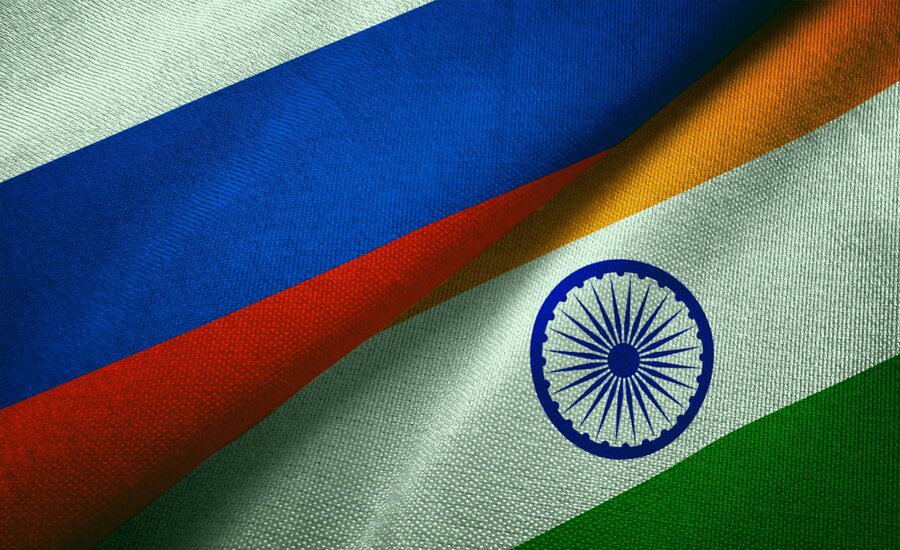
New Delhi: India Russia rare earths deal is gaining momentum as both countries move closer to deeper cooperation in the extraction, processing, and development of rare earth minerals.
The new collaboration comes at a time when India is also strengthening critical minerals partnerships with Quad nations including the United States, Japan, and Australia.
The move is aimed at securing reliable supply chains for strategic minerals that are essential for electric vehicles, clean energy, semiconductors, electronics, and defense manufacturing.
Details of India Russia Rare Earths Deal
India and Russia have taken concrete steps to work together in the rare earth sector.
Key developments include:
- A Memorandum of Understanding (MoU) was signed between JSC Giredmet, part of Russia’s Rosatom scientific division, and Nexon Geochem Pvt Ltd of India.
- The agreement focuses on research and development for deep processing of rare earth and rare metal raw materials.
- Both sides will work on technologies that can help produce high-purity rare earth compounds and metals.
Focus on Rare Earth Magnets
A separate Letter of Intent was signed between:
- JSC Giredmet
- Technology Innovation in Exploration & Mining Foundation (TEXMiN) at IIT-ISM Dhanbad
The partnership will focus on:
- Development of Neodymium-Iron-Boron (NdFeB) permanent magnets
- Full metallurgical processing technologies
- Pilot testing and validation of advanced rare earth technologies
NdFeB magnets are among the strongest permanent magnets in the world and are widely used in:
- Electric vehicles
- Wind turbines
- Smartphones
- Defense systems
- Robotics and automation equipment
Why Rare Earth Minerals Matter
Rare earth elements are critical for modern industries.
They are used in:
- Electric vehicle batteries
- Renewable energy projects
- Semiconductor manufacturing
- Telecommunications equipment
- Aerospace technologies
- Defense systems
Countries around the world are trying to secure stable supplies because demand is rising rapidly due to the global shift toward clean energy and advanced manufacturing.
India’s Larger Critical Minerals Strategy
India is not relying on a single partner.
Along with Russia, India has recently expanded critical minerals cooperation with:
- United States
- Australia
- Japan
- Brazil
- Argentina
The strategy aims to reduce supply chain risks and ensure long-term access to key minerals needed for industrial growth and energy security.
Quad Nations Increase Critical Minerals Cooperation
The development comes shortly after major announcements by the Quad grouping.
The Quad countries:
- India
- United States
- Japan
- Australia
have agreed to strengthen cooperation on critical minerals supply chains.
Important highlights include:
- Up to $20 billion investment mobilization for critical minerals projects.
- Support for mining, processing, recycling, and supply chain development.
- Efforts to reduce dependence on concentrated global supply sources.
India-US Critical Minerals Agreement
India has also signed a framework agreement with the United States on critical minerals and rare earths.
The agreement covers:
- Mining
- Processing
- Recycling
- Investment cooperation
- Supply chain security
Indian External Affairs Minister S. Jaishankar described the initiative as timely and critical for strengthening resilient supply chains.
What is the Importance of India Russia Rare Earths Deal
The India-Russia rare earth cooperation could provide several benefits:
Strengthened Supply Security
India can access alternative sources of critical minerals required for future industries.
Support for Manufacturing
Domestic manufacturing sectors such as electronics, EVs, and defense could benefit from stable raw material supplies.
Technology Development
Joint research programs can help India improve processing and refining capabilities.
Reduced Import Dependence
Diversified partnerships may reduce reliance on a limited number of global suppliers.
Read also: India Russia Su-57 Stealth Jets Deal: Timeline, Features, and Strategic Impact Explained