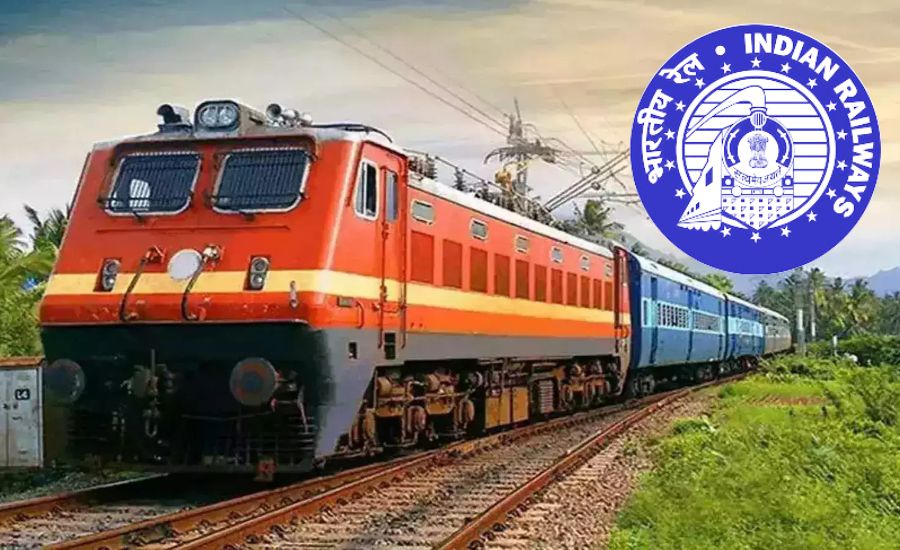
New Delhi: India is taking a major step toward sustainable infrastructure as the Indian Railways Fly Ash Logistics Network plan aims to transport nearly 340 million tonnes of fly ash generated annually by thermal power plants. The initiative, reviewed by Railway Minister Ashwini Vaishnaw, will create specialized rail corridors and containers to move fly ash efficiently from power plants to industries using it for cement, bricks, roads, and other construction projects. According to the Ministry of Railways, the move supports India’s circular economy goals while reducing industrial waste and lowering construction costs.
What Is Fly Ash
Fly ash is a fine powder produced when coal is burned in thermal power plants. While it is often treated as industrial waste, it is widely used in:
- Cement manufacturing
- Brick production
- Road construction
- Concrete blocks
- Infrastructure projects
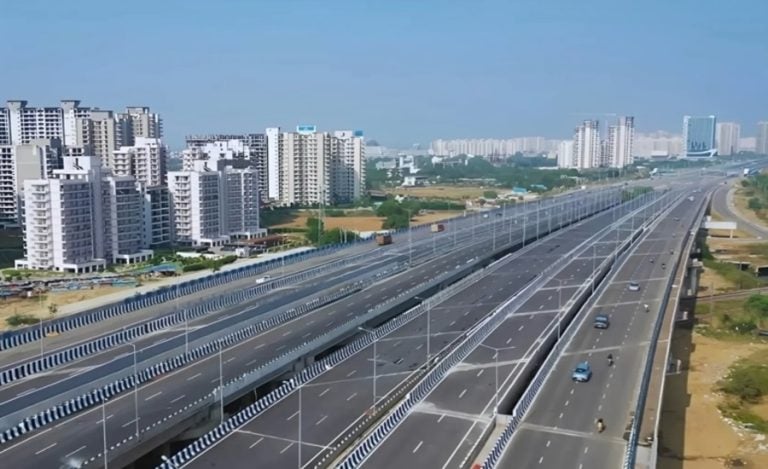
- Flyovers and highways
Read also: Indian Railways Hydrogen Train Project Explained: Route, Technology, Launch Timeline
Experts consider fly ash an important raw material for sustainable construction because it reduces the need for natural resources and lowers production costs.
What is the Reason of Indian Railways Fly Ash Logistics Network Initiative
India produces around 340 million tonnes of fly ash every year, but only a small portion is currently transported through the railway network. To improve utilization, Indian Railways plans to develop:
- Dedicated rail logistics corridors
- Specialized fly ash containers
- Mechanized loading and unloading systems
- Seamless rail-to-road transportation solutions
The objective is to connect power plants directly with industries that need fly ash as a construction material.
Key Highlights of the Indian Railways Fly Ash Logistics Network
Dedicated Logistics Network
Indian Railways will create a specialized transport ecosystem designed specifically for fly ash movement.
Specialized Containers
New containers will be designed to:
- Prevent material loss
- Reduce dust pollution
- Support easy handling
- Enable faster loading and unloading
Nationwide Distribution
The network will transport fly ash from generating plants to:
- Cement factories
- Brick manufacturing units
- Construction companies
- Infrastructure development projects
Environmental Benefits
The initiative is expected to deliver several environmental advantages:
- Reduced fly ash dumping near power plants
- Lower land pollution
- Better industrial waste management
- Increased recycling of by-products
- Support for India’s circular economy goals
The Ministry of Railways described the project as a transformation of “waste into wealth” by converting industrial waste into valuable construction material.
Economic Benefits
The project could significantly benefit India’s construction sector. Potential advantages include:
- Lower cement production costs
- Reduced brick manufacturing expenses
- More affordable housing projects
- Improved infrastructure development
- Reduced transportation costs compared to conventional methods
Industry experts believe easier access to fly ash can make building materials cheaper for both urban and rural projects.
Current Fly Ash Utilization in India
According to available industry data:
- 32% of fly ash is used in road and flyover construction
- 27% is used in the cement industry
- 14% is used in brick and tile manufacturing
- 11% is used in backfilling activities
- 10% is used in mine filling
These figures highlight the growing importance of fly ash in India’s infrastructure sector.
Government’s Circular Economy Vision
The new logistics network aligns with India’s broader sustainability goals. By enabling large-scale transportation of fly ash, Indian Railways aims to:
- Promote resource efficiency
- Reduce industrial waste
- Strengthen green logistics
- Support affordable infrastructure development
Officials believe the initiative can become a model for sustainable industrial transportation in the future.