New Delhi: Indian Railways reforms 2026 have taken another major step forward as the Ministry of Railways announced eight new structural reforms under the ‘Reform Express’ initiative. The reforms focus on cleaner freight transport, lower logistics costs, faster project execution, private sector participation and improved ease of doing business. With these announcements, the total number of railway reforms under the initiative has reached 17.
Key Highlights of the New Indian Railway Reforms
The latest reforms aim to modernise India’s freight network while making railway transportation more efficient, environment-friendly and business-friendly.
Read also: Railways Receives Just 0.0008% Food Complaints Annually, Says Minister Ashwini Vaishnaw
The reforms cover:
- Fly ash transportation
- Container train operations
- Fertilizer movement
- Skilling of railway artisans
- Construction reforms
- Wagon design approval
- Petroleum products transportation
- Foodgrains, flour and pulses transportation
Cleaner Fly Ash Transportation with Closed Containers
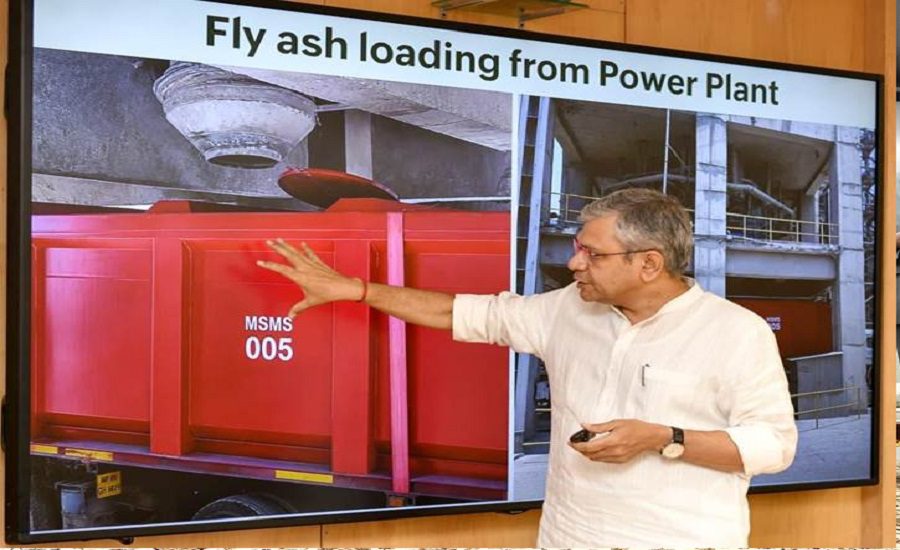
Indian Railways has introduced a new container-based transportation system for fly ash. Earlier, fly ash was mainly transported in open wagons, which caused dust pollution during loading, transport and unloading.
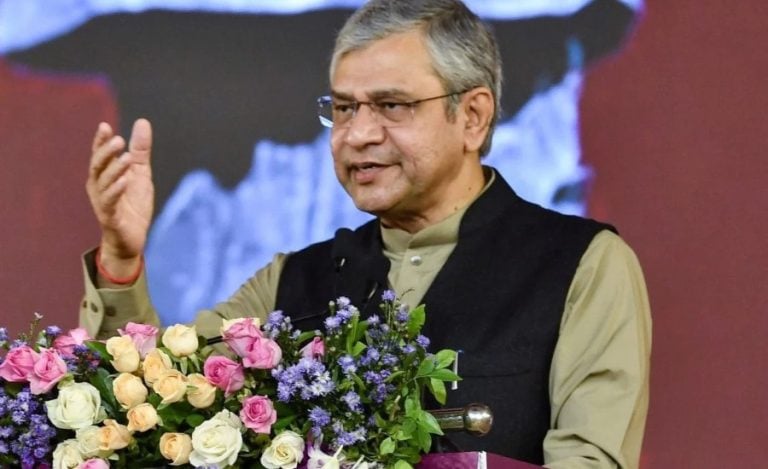
Under the new policy, specially designed ISO-standard containers will transport fly ash. These containers can be loaded directly at thermal power plants and unloaded without creating dust pollution. According to Railway Minister Ashwini Vaishnaw, the reform will:
- Reduce environmental pollution.
- Improve logistics efficiency.
- Increase rail movement of fly ash.
- Reduce dependence on road transport.
- Support the cement industry with safer storage and transport.
One Unified Licence for Container Train Operators
Indian Railways has replaced the earlier category-based licensing system with a single Pan-India Container Train Operator (CTO) licence.
Earlier, operators had to obtain different licences for different categories and routes. Now, a single licence will allow operators to run container trains across the entire Indian Railways network.
The registration process has also been simplified with a uniform non-refundable registration fee of ₹25 crore. Licences will remain valid for 20 years and can later be extended without renewal fees, subject to satisfactory performance.
Simpler Freight Charges for Fertilizer Transport
Indian Railways currently carries nearly 85% of India’s fertilizer transportation. The new reform replaces the earlier complex freight slabs with a per-tonne per-kilometre pricing system.
The policy also allows fertilizers to move in containers, enabling flexible unloading, storage and phased distribution according to market demand. This is expected to reduce delays, improve wagon utilisation and protect fertilizers from weather-related damage.
QR Code-Based Skill Certification for Railway Workers
A new policy has been introduced to certify skilled workers engaged in railway infrastructure projects. Workers involved in specialised trades such as welding, fitting and masonry will undergo assessment and receive QR code-enabled skill certificates linked to a digital verification system.
The initiative aims to improve construction quality, standardise skills and ensure only certified workers participate in critical railway projects.
Tougher Construction Rules for Better Project Execution
The Ministry has introduced stricter contractor eligibility norms to improve accountability. Key changes include:
- Performance Security to be deposited at the start of contracts.
- Contractors with litigation exceeding 50% of their net worth will not be eligible for railway tenders.
- Mandatory Contractors’ All Risk Insurance and Professional Indemnity Insurance.
- A structured land handover mechanism to reduce project delays.
The Rail Bhoomi digital platform will also help manage land acquisition and project monitoring more efficiently.
New Wagon Design Policy to Encourage Innovation
Indian Railways has introduced a new wagon design approval policy.
Earlier, wagon designs were mostly developed by RDSO with limited flexibility. Now, industries and manufacturers can develop specialised wagon designs for different commodities such as steel, petroleum, chemicals and milk, subject to rigorous testing and safety approvals. The reform is expected to encourage innovation and improve freight efficiency.
Easier Transportation of Petroleum Products
Oil companies will now be allowed to procure or lease specialised petroleum tank wagons and induct them into the Indian Railways network. This reform is expected to:
- Improve logistics planning.
- Reduce transportation costs.
- Increase rail movement of petroleum products.
- Lower road transport risks and product losses.
Indian Railways Reforms: Simpler Freight System for Foodgrains
Indian Railways has simplified freight charges for transporting foodgrains, flour and pulses. The previous slab-based system has been replaced by a per-tonne per-kilometre pricing model. The reform also promotes container transportation, allowing goods to be unloaded and distributed according to demand instead of waiting for an entire train to be unloaded.
This will improve storage, reduce contamination and enhance logistics efficiency.
Indian Railways Reforms: Government’s Objective
According to Railway Minister Ashwini Vaishnaw, these reforms aim to shift more freight traffic from roads to railways. The Ministry believes rail transport generates significantly lower carbon emissions than road transport while reducing logistics costs and improving supply chain efficiency.
The reforms are also expected to encourage greater private investment and strengthen India’s freight ecosystem.