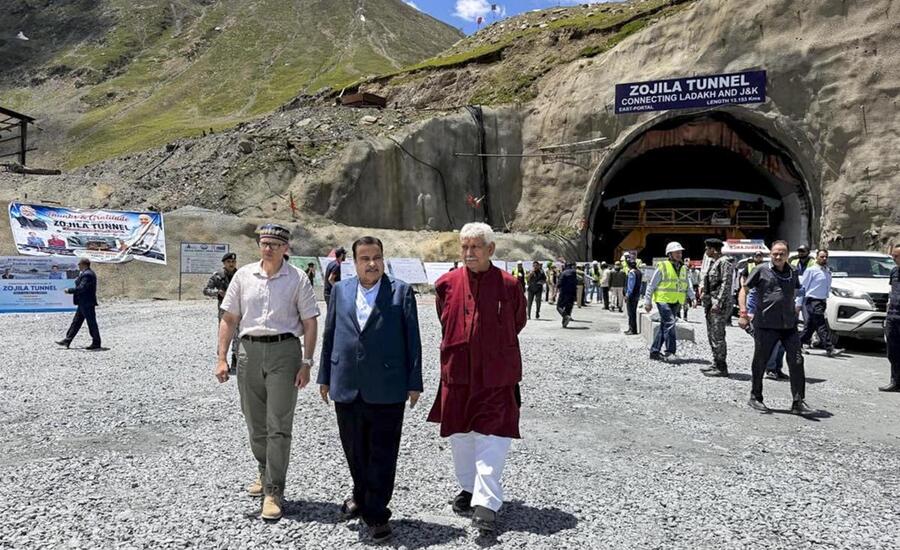
New Delhi: Zojila Tunnel breakthrough has marked a historic moment in India’s infrastructure sector. The successful excavation breakthrough of the main tunnel section is a major step toward completing one of the country’s most strategic road projects.
Once operational, the tunnel will provide year-round connectivity between Kashmir and Ladakh and is expected to become the world’s longest high-altitude single-tube bi-directional road tunnel.
Details of Zojila Tunnel Breakthrough
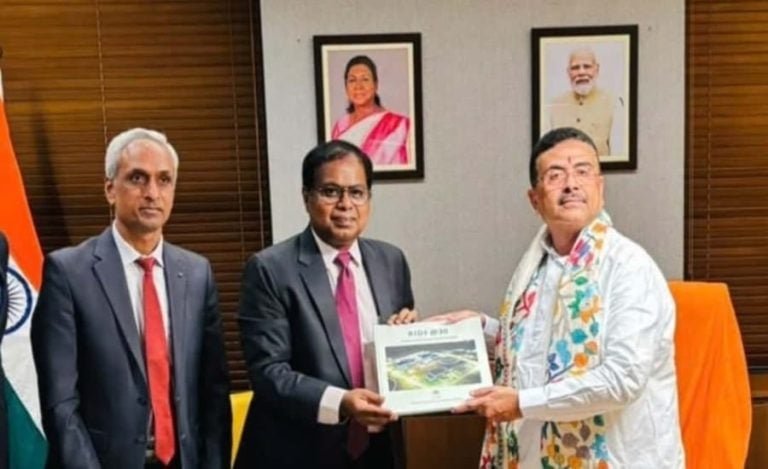
Union Minister for Road Transport and Highways, Nitin Gadkari, attended the breakthrough ceremony after engineers successfully connected both ends of the tunnel by removing the final rock barrier. The achievement comes after years of excavation through some of the toughest Himalayan terrain.
Read also: Army Chief Confirms Zorawar Light Tank Delay: What It Means for India’s Border Security
Key highlights:
- Main tunnel breakthrough successfully completed.
- Tunnel length is approximately 13.15 km.
- Located at an altitude of around 11,500 feet.
- Will become the world’s longest high-altitude single-tube bi-directional road tunnel.
- More than 3,000 workers have contributed to the project since construction began.
Why the Zojila Tunnel Matters
The Zojila Pass is one of India’s most critical mountain routes connecting Kashmir with Kargil and Ladakh. Every winter, heavy snowfall and avalanches force the pass to close for several months, disrupting civilian life, tourism, trade, and military logistics.
The tunnel aims to eliminate this seasonal isolation by ensuring all-weather road connectivity throughout the year.
What are the Benefits of Zojila Tunnel Breakthrough
- Year-round connectivity between Kashmir and Ladakh.
- Faster movement of civilians, goods, and emergency services.
- Improved tourism in Sonamarg, Drass, Kargil, and Ladakh.
- Better healthcare and education access for remote communities.
- Enhanced military mobility in a strategically sensitive border region.
What is the Importance of Zojila Tunnel Breakthrough
The tunnel’s significance goes beyond transportation. Ladakh is one of India’s most strategically important regions due to its proximity to both the Line of Control (LoC) and the Line of Actual Control (LAC).
Maintaining uninterrupted access to the region is vital for defence preparedness.
Currently, military and civilian supplies depend heavily on weather conditions at the Zojila Pass. Once the tunnel becomes operational, logistics and troop movement will become more reliable throughout the year.
Engineering Challenges Overcome
Building a tunnel through the Himalayas is among the most difficult infrastructure tasks in the world.
Engineers had to deal with:
- Extremely cold weather.
- High altitude conditions.
- Fragile mountain geology.
- Heavy snowfall zones.
- Avalanche-prone terrain.
The successful breakthrough demonstrates India’s growing expertise in large-scale mountain infrastructure projects.
Economic Impact on Jammu & Kashmir and Ladakh
Experts believe the project will generate long-term economic benefits by improving trade, tourism, and investment opportunities.
Potential gains include:
- Increased tourist arrivals.
- Lower transportation costs.
- Faster supply chains.
- Better market access for local businesses.
- Greater regional integration with the rest of India.
What Happens Next?
Although the breakthrough is a major milestone, several finishing works remain before public opening.
These include:
- Tunnel lining and structural finishing.
- Ventilation systems.
- Safety and fire protection systems.
- Electrical installations.
- Traffic monitoring infrastructure.
- Final testing and certification.
According to official project updates, overall completion is targeted in the coming years, with operational readiness expected after all safety systems are installed and tested.