Kolkata: India is considering the deployment of the Kusha air defence system Kolkata deployment between 2030 and 2032. The move comes as regional security discussions evolve, including reports that Bangladesh is exploring the possibility of joining the recently formed Mecca Pact, a defence agreement involving Saudi Arabia, Pakistan, and Turkey.
The proposed deployment is part of India’s long-term effort to strengthen air defence capabilities along its eastern frontier and protect critical infrastructure, major cities, and strategic assets. According to publicly available information, Project Kusha is expected to become one of India’s most advanced indigenous air defence systems.
Why Kolkata Is Emerging As A Key Strategic Location
Kolkata occupies an important geographical position in eastern India. The city is located close to the Bay of Bengal and serves as a major economic, industrial, and transportation hub. Strengthening air defence in this region would improve India’s ability to monitor and respond to potential aerial threats while enhancing overall security preparedness.
Defence planners are increasingly focusing on creating a multi-layered air defence network that can protect important civilian and military installations across the country.
What Is Project Kusha?
Project Kusha, also known as the Extended Range Air Defence System (ERADS), is an indigenous long-range surface-to-air missile programme being developed under the Defence Research and Development Organisation (DRDO).
The project aims to provide India with a modern air defence shield capable of intercepting multiple types of airborne threats. These include:
- Fighter aircraft
- Cruise missiles
- Drones
- High-speed aerial targets
- Certain ballistic missile threats
How Does The Kusha Air Defence System Works
Project Kusha is planned as a layered defence system using three interceptor missile variants.
M1 Interceptor
The M1 missile is expected to engage targets up to approximately 150 km away. It will provide the first layer of defence against aircraft and airborne threats.
M2 Interceptor
The M2 interceptor is designed for longer engagements, with a planned range of around 250 km.
M3 Interceptor
The M3 missile is expected to be the longest-range variant, capable of intercepting threats at distances of up to 400 km. Together, these three layers are intended to create a comprehensive protective shield over critical regions.
How Kusha Compares With Existing Systems
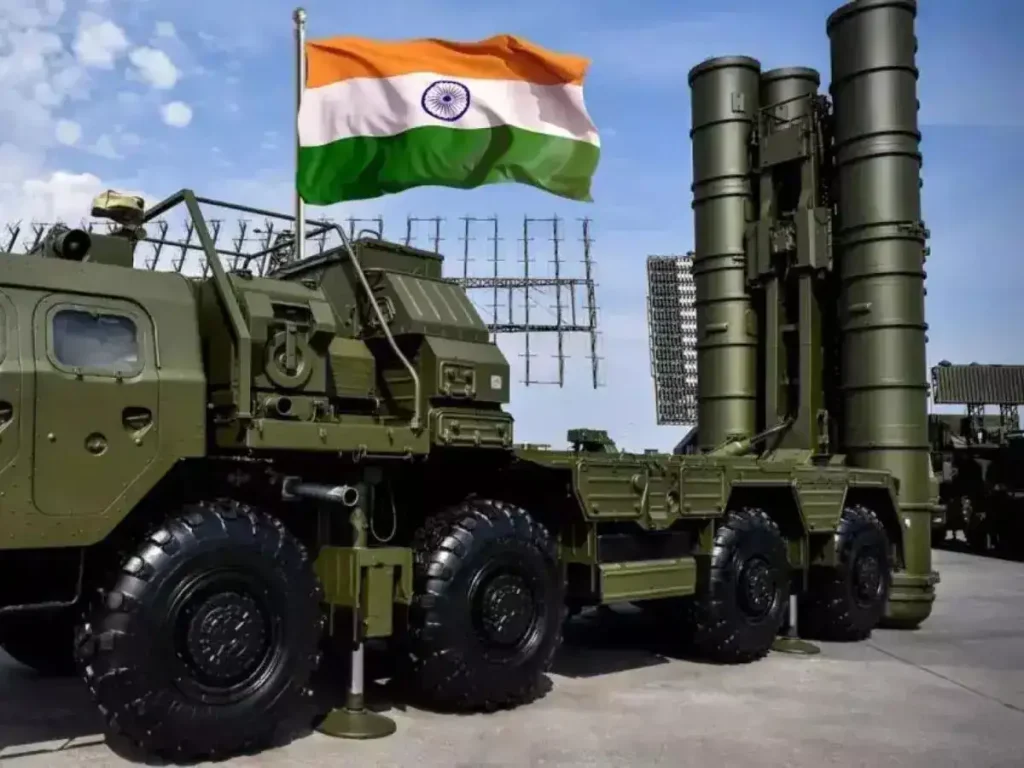
India already operates advanced air defence systems such as the Russian-origin S-400 and indigenous systems including Akash and MRSAM. Project Kusha is expected to complement these systems and become an important component of India’s future integrated air defence architecture. Experts view the programme as a major step toward greater self-reliance in defence technology and reduced dependence on imported systems.
Bangladesh And The Mecca Pact: What We Know
The Mecca Pact is a recently announced mutual defence agreement involving Saudi Arabia, Turkey, and Pakistan. According to Reuters, Bangladesh has indicated that it is positively considering the possibility of joining the pact, although no final decision has been announced.
Analysts note that any such move could influence regional security calculations and diplomatic relationships across South Asia.
It is important to note that discussions regarding Bangladesh’s participation remain under consideration and future developments are uncertain.
Why Air Defence Is Becoming More Important
Modern conflicts increasingly involve:
- Long-range missiles
- Armed drones
- Precision-guided weapons
- Electronic warfare systems
As these technologies become more widespread, countries are investing heavily in advanced air defence networks capable of detecting and intercepting threats before they reach critical targets. India’s investment in systems such as Kusha reflects this broader global trend.
Kusha Air Defence System Kolkata Deployment Timeline
Project Kusha is expected to undergo phased induction between 2028 and 2030, with further deployments likely in the following years. If plans progress as anticipated, Kolkata could become one of the first major eastern locations to benefit from the system’s advanced capabilities.
While official deployment timelines may evolve, the programme highlights India’s continued focus on strengthening national security through indigenous defence technology.
Read also: Can AD-1, AD-2 And Project Kusha Protect India From Future Missile Threats? Here’s What We Know
FAQs
Kolkata is a strategically important city in eastern India. Its location near the Bay of Bengal and proximity to key regional maritime and land routes make it significant for air defence planning.
Project Kusha is an indigenous long-range air defence system being developed by DRDO to intercept aircraft, drones, cruise missiles, and other aerial threats at ranges of up to 400 km.
Publicly available reports suggest phased induction of Project Kusha beginning around 2028–2030, with potential deployment in Kolkata between 2030 and 2032 if plans move forward as expected.