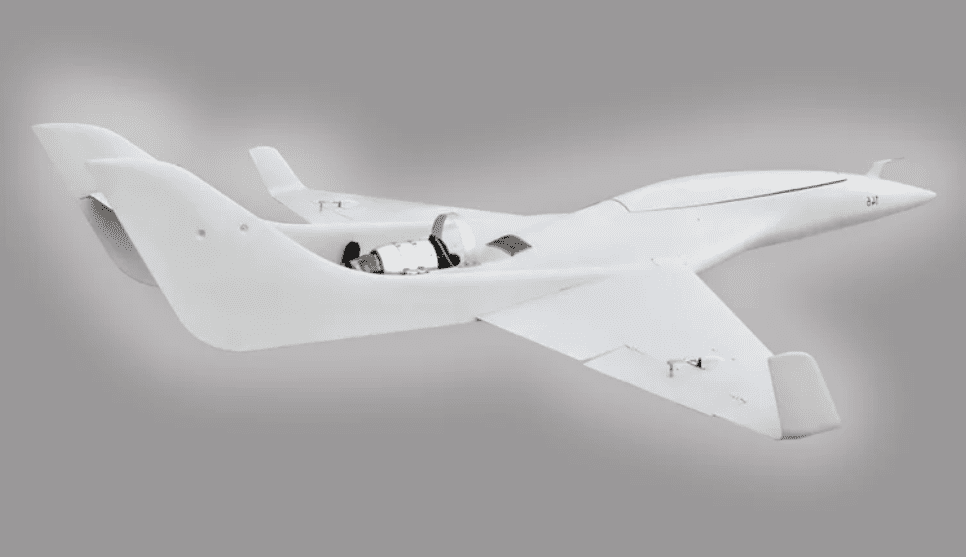
New Delhi: In a significant step towards strengthening India’s battlefield capabilities and advancing indigenous defence manufacturing, Delhi-based defence company SMPP has delivered 106 turbojet-powered Kamikaze drones to the Indian Army. The drones, named ‘Peacekeeper (Agniveg)’, are designed to conduct autonomous precision strike missions and are expected to substantially enhance the Army’s long-range offensive capabilities.
The delivery includes 100 operational drones and six training drones, marking one of the largest inductions of indigenous loitering munitions into the Indian Army in recent years.
With a strike range of 180 kilometres, a top speed of 450 kmph, and advanced anti-jamming and anti-spoofing features, the Agniveg drones represent a major technological leap in India’s growing unmanned warfare ecosystem.
Faster Than the World’s Fastest Bird
One of the standout features of the Agniveg drone is its speed. According to the manufacturer, the drone can achieve speeds of up to 450 kilometres per hour, making it significantly faster than the Peregrine Falcon, widely regarded as the fastest bird in the world, which reaches speeds of around 320 kmph during flight.
Read Also: Rare Earth Independence: How MIDHANI Plans to Secure India’s Strategic Material Future
The high-speed capability enables rapid engagement of targets and reduces reaction time available to enemy air defence systems.
180 km Strike Range Enhances Battlefield Reach
The Agniveg drones provide the Indian Army with the ability to engage targets deep inside enemy territory without risking soldiers’ lives.
With an operational strike range of 180 kilometres, these drones can target:
- Military command centres
- Radar installations
- Logistics hubs
- Ammunition depots
- Artillery positions
- Strategic military infrastructure
This capability significantly expands the Army’s precision strike options in modern conflict scenarios.
Immune to Jamming and Spoofing
One of the biggest challenges faced by modern drones is electronic warfare.
According to SMPP, the Agniveg has been specifically designed to withstand hostile electronic environments. The drone is reportedly immune to jamming and spoofing attacks, ensuring that adversaries cannot easily disrupt communications or divert the drone from its designated target.
Trials conducted in environments involving electronic interference demonstrated that the drone maintained high targeting accuracy despite attempts to disrupt its navigation systems.
Fully Autonomous Precision Strike Missions
The Agniveg drone has been designed to execute fully autonomous missions.
Once a target is designated and mission parameters are fed into the system, the drone can independently navigate, identify, track, and strike the target without requiring further human intervention.
The company claims that the drone successfully demonstrated this capability during extensive testing and validation exercises.
Such autonomous capabilities are increasingly becoming central to modern warfare, where speed, precision, and survivability determine operational success.
What Are Kamikaze Drones?
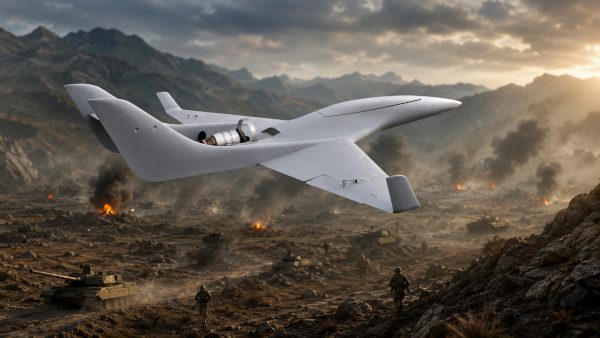
Kamikaze drones, also known as Loitering Munitions, are a unique category of unmanned aerial systems that combine surveillance and strike capabilities in a single platform.
Unlike conventional missiles that immediately head toward a designated target, loitering munitions can remain airborne for extended periods while searching for targets using onboard sensors and cameras.
Once a target is identified, the drone rapidly dives toward it and detonates upon impact, destroying both itself and the target.
The term “Kamikaze” originates from the suicide attacks carried out by Japanese pilots during World War II, although modern loitering munitions are unmanned systems and pose no risk to military personnel.
High Accuracy with Minimal Collateral Damage
One of the key operational advantages of the Agniveg system is its precision.
According to the company, the drone achieved a Circular Error Probable (CEP) of less than five metres during trials conducted under challenging conditions involving jamming and spoofing attempts.
A CEP of less than five metres means the drone can strike extremely close to its intended target, allowing operators to engage specific sections of military infrastructure while minimizing unintended damage.
Additionally, the drone’s blast radius is limited to approximately five metres, reducing collateral damage to nearby civilian infrastructure and non-combatants.
Developed in Just Six Months
SMPP officials described the project as a major achievement for India’s defence industry.
The company developed and delivered the Agniveg system within a remarkably short period of six months, demonstrating the growing maturity of India’s indigenous defence manufacturing ecosystem.
The project was developed with technical assistance from Belarusian defence firm KB Indela, while maintaining a strong focus on domestic production.
Over 75% Indigenous Technology
According to SMPP, more than 75 per cent of the technology used in Agniveg is indigenous, aligning with the Government of India’s Atmanirbhar Bharat and defence indigenisation initiatives.
The drone’s successful induction highlights the increasing ability of Indian defence companies to design, manufacture, and deliver sophisticated military systems domestically.
Advanced Variants Already Offered to the Army
SMPP CEO and Director Ashish Kansal said the company has already proposed more advanced versions of Agniveg to the Indian Army.
He noted that modern warfare is increasingly defined by precision, autonomy, survivability, and cost-effectiveness, making loitering munitions a crucial force multiplier on future battlefields.
According to Kansal, systems such as Agniveg provide militaries with the ability to conduct precision strikes at relatively low cost while minimizing risks to personnel.
Strategic Significance for the Indian Army
The induction of 106 Agniveg drones comes at a time when armed forces worldwide are increasingly relying on unmanned systems for reconnaissance, surveillance, and strike missions.
Recent conflicts across different regions have demonstrated the effectiveness of loitering munitions in neutralizing high-value military assets while avoiding large-scale deployment of conventional forces.
For the Indian Army, the acquisition strengthens long-range precision strike capabilities, enhances operational flexibility, and supports the broader modernization of battlefield technologies.
The deployment of indigenous kamikaze drones also represents another milestone in India’s pursuit of self-reliance in defence production and its ambition to emerge as a leading developer of advanced military technologies.