https://indianmasterminds.com

ADVERTISEMENT
ADVERTISEMENT

ISRO–Indian Armed Forces MoU: How 53 New Telemedicine Nodes Will Revolutionize Healthcare for Soldiers in Remote Border Areas

ISRO and the Indian Armed Forces will set up 53 new telemedicine nodes to provide real-time healthcare to soldiers in remote and high-altitude regions using satellite technology.
ISRO–Indian Armed Forces MoU
Indian Masterminds Stories

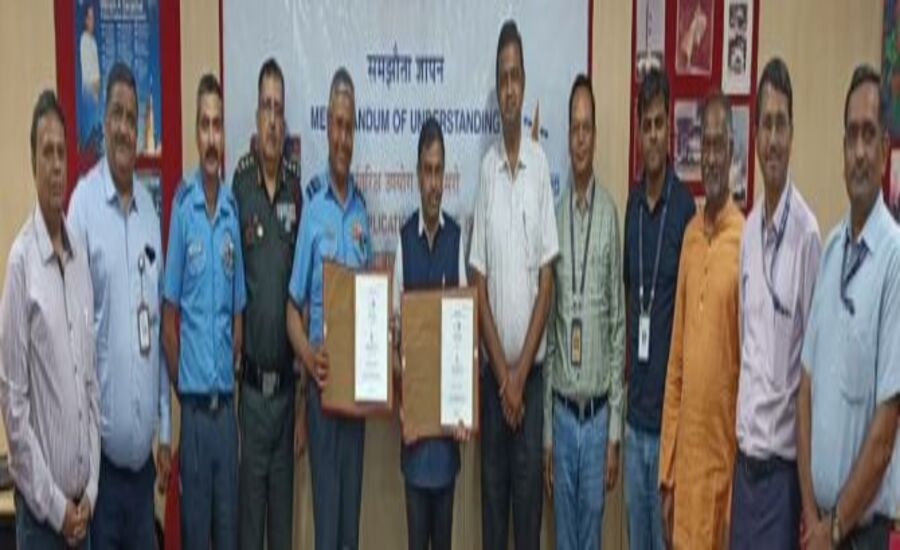
New Delhi: The ISRO Armed Forces MoU telemedicine expansion marks a major step in strengthening healthcare support for Indian soldiers deployed in extreme conditions. Under this agreement, the Indian Space Research Organisation (ISRO) and the Ministry of Defence will jointly establish 53 new telemedicine nodes in the first phase. This initiative aims to provide real-time medical assistance to troops stationed in remote and high-altitude areas such as the Line of Actual Control (LAC) and Siachen Glacier, where access to hospitals is extremely difficult.

What is the ISRO–Indian Armed Forces MoU

India’s defence forces and ISRO have signed a Memorandum of Understanding (MoU) to expand satellite-based telemedicine services for military personnel.

Read also: Space Junk Crisis Solved: How India Plans to Eliminate Space Junk by 2030 through ISRO Zero Orbital Debris Mission

The agreement focuses on:

  • Maintaining existing telemedicine infrastructure
  • Expanding services to remote and inaccessible regions
  • Building next-generation medical connectivity systems

This collaboration reflects India’s push for self-reliance in defence healthcare using indigenous space technology.

What are 53 New Telemedicine Nodes

Under the first phase of the project:

  • 53 new telemedicine nodes will be installed
  • These will add to the existing 20 nodes already serving the Army, Navy, and Air Force
  • Focus areas include high-altitude and border regions

This expansion will significantly improve coverage for troops posted in extreme terrains.

What is the Importance of ISRO–Indian Armed Forces MoU

Here is the importance of ISRO–Indian armed forces MoU; 

1. Healthcare in Extreme Conditions

Soldiers deployed in areas like:

  • Siachen Glacier
  • Ladakh
  • Arunachal Pradesh

face challenges such as:

  • Altitude sickness
  • Severe injuries
  • Limited access to hospitals

Telemedicine ensures instant medical consultation without evacuation delays.

2. Real-Time Specialist Support

The system allows:

  • Live video consultations with doctors
  • Sharing of ECG, X-rays, and reports
  • Quick diagnosis and treatment decisions

This can save lives during emergencies.

3. Strategic Defence Advantage

Reliable communication systems are crucial in:

  • Border security
  • Wartime operations
  • Disaster situations

This project strengthens India’s defence readiness and medical response capability.

Technology Behind the System

The telemedicine network uses satellite-based communication technology, especially:

  • VSAT (Very Small Aperture Terminal) systems
  • High-bandwidth satellite links
  • Integrated diagnostic software

These technologies allow seamless communication even in areas with no internet or mobile connectivity.

Existing Telemedicine Network in India

  • India already operates around 190 telemedicine nodes nationwide
  • These serve both civilian and defence sectors
  • Defence-specific nodes have proven highly useful in remote deployments

The new expansion will further strengthen this network.

Key Focus Areas of ISRO–Indian Armed Forces MoU

Special attention is being given to:

  • Siachen Glacier (world’s highest battlefield)
  • Forward posts along LAC and LoC

Existing nodes in Siachen have already shown success, and now similar systems will be expanded to other regions.

Key Officials Involved

The MoU was signed between:

  • Representatives of the Integrated Defence Staff (IDS)
  • ISRO’s Space Applications Centre (SAC)

Both sides reviewed current systems and planned future upgrades before signing the agreement.

Bigger Picture: India’s Space-Based Defence Push

This initiative is part of a broader strategy where India is:

  • Expanding satellite infrastructure
  • Enhancing defence communication systems
  • Increasing reliance on indigenous technology

India is also planning large-scale satellite deployments for surveillance and communication in the coming years.

Read also: EO-SAAW Seeker Technology Breakthrough: The Indian Weapon That Strikes Without Entering Enemy Airspace


Indian Masterminds Stories
ADVERTISEMENT
ADVERTISEMENT
Related Stories
ADVERTISEMENT
ADVERTISEMENT
NEWS
A&N Island
Andaman & Nicobar Creates History with Largest Indian Flag Unfurled Underwater
PR Society Delhi
PR Society Delhi Elects New Governing Board Unopposed for 2026–2028 Term on National PR Day
India-Cambodia Military Exercise CINBAX-II 2026
India-Cambodia Military Exercise CINBAX-II 2026 Begins: Indian Army Departs for Joint Training in Cambodia
Jammu&Kashmir
23 JKAS Officers Cleared for IAS Induction After Four-Year Gap; 3 Confirmed from Provisional List
Rajasthan-Police
Senior Rajasthan IPS Officer Booked in Rape Case After Woman’s Complaint in Jaipur
IAS Rinkoo Singh Rahee
IAS Officer Rinkoo Singh Rahee Still Awaiting Posting After Withdrawing Resignation, Raises Concern Over ‘Salary Without Work’
Senior IAS officer Jaibir Singh Arya
Jaibir Singh Arya Retires After Three Decades in Haryana Administration, Leaves Behind People-Centric Governance Legacy
Madhup Kumar Tiwari, IPS
Delhi Police L&O Chief Madhup Kumar Tiwari Transferred to Arunachal in Sudden MHA Move
ADVERTISEMENT
ADVERTISEMENT
Videos
Punjab’s Welfare Push Backed by Surging Revenues Harpal Singh Cheema
Punjab’s Welfare Push Backed by Surging Revenues
vandana
IRS Vandana Sagar: From Academic Excellence to International Tax Leadership and a Champion’s Mindset
Pawan Sareen
Truth Behind India’s LPG Supply Strain Amid Rising Demand and Global Uncertainty 
ADVERTISEMENT
UPSC Stories
Animesh Pradhan UPSC CSE 2025
How Animesh Mishra Cracked UPSC CSE 2025 with AIR 428: Prelims, Mains & Interview Strategy 
Animesh Mishra secured AIR 428 in UPSC CSE 2025 with a strategic and disciplined approach. Read his preparation...
Himanshu Tembhekar IDAS UPSC CSE
How to Crack UPSC in Marathi Medium: Himanshu Tembhekar’s Strategy, Challenges, and Success
Himanshu Tembhekar shares his UPSC strategy, challenges of Marathi medium, Prelims tips, and how he cleared...
WhatsApp Image 2026-04-27 at 5.48
Wedding Celebrations Turn Bigger as Suvan Sharma Becomes Jammu’s UPSC Topper
J&K topper Suvan Sharma secured AIR 148 in UPSC CSE 2025 in his sixth attempt, improving from AIR...
CSR NEWS
school edcil
EdCIL Boosts Rural Education with New Classrooms and Sanitation Facilities in Varanasi School
Classroom & Sanitation Upgrade: EdCIL Strengthens Education Infrastructure in Varanasi
ntpc
₹7.19 Crore Healthcare Upgrade: NTPC Sipat Strengthens Bilaspur’s Medical Infrastructure
Big Boost to Healthcare: The initiative was highlighted during an event attended by Tokhan Sahu, Union...
ews
DVK Foundation Launches Scholarship Programme for EWS Students at BGIS Vrindavan
BGIS Vrindavan Partners with DVK Foundation for EWS Student Scholarships
ADVERTISEMENT
ADVERTISEMENT
ADVERTISEMENT
Latest
IAS Raju Narayana Swamy
Kerala’s Cybercrime Paradox, High Literacy But Low Convictions
A&N Island
Andaman & Nicobar Creates History with Largest Indian Flag Unfurled Underwater
ADVERTISEMENT
ADVERTISEMENT
ADVERTISEMENT
ADVERTISEMENT
ADVERTISEMENT
ADVERTISEMENT
ADVERTISEMENT
Videos
Punjab’s Welfare Push Backed by Surging Revenues Harpal Singh Cheema
vandana
Pawan Sareen
ADVERTISEMENT
ADVERTISEMENT