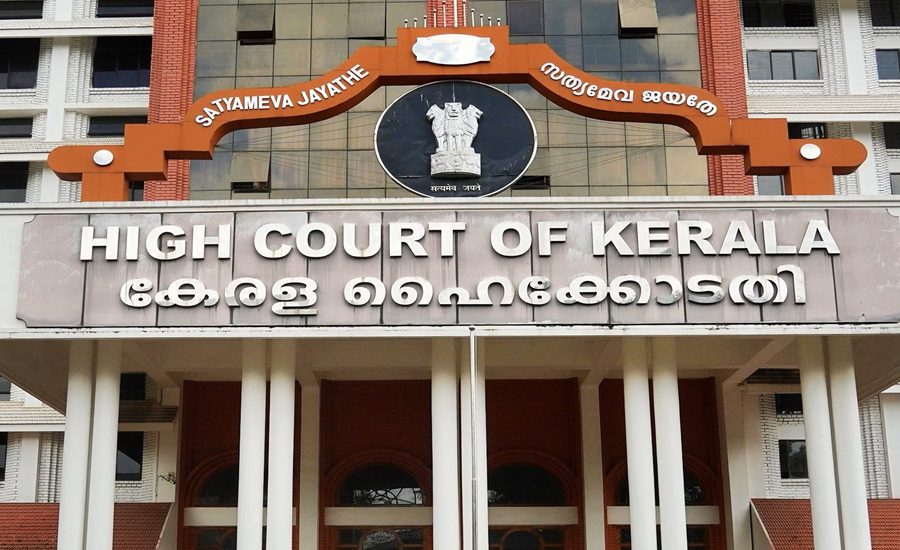
Thiruvananthapuram: The Kerala High Court doctor advocate enrolment case has created major discussion in legal and medical circles. The High Court ruled that a registered medical practitioner cannot enrol as an advocate unless their medical registration is formally cancelled.
The Court also clarified that merely stopping medical practice or cancelling a clinic licence is not enough.
According to the judgment, a person cannot continue to remain on the medical practitioners’ register while simultaneously seeking enrolment with the Bar Council as an advocate.
Kerala High Court Doctor Advocate Enrolment Case: What Did the Court Directed?
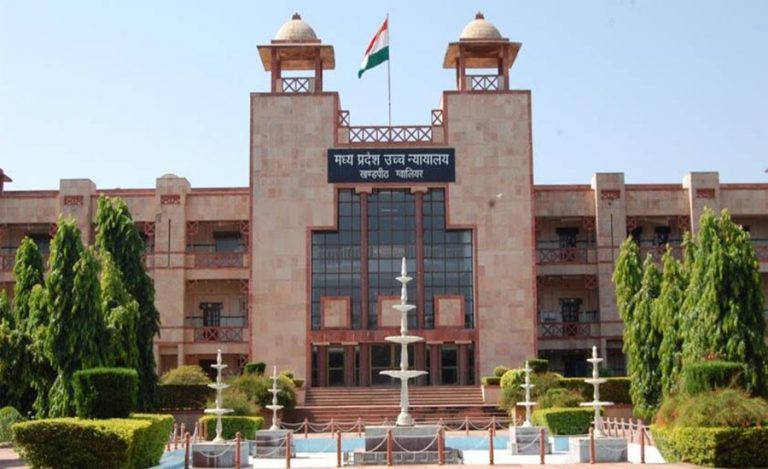
The judgment was delivered by Justice Bechu Kurian Thomas of the Kerala High Court.
Read also: Thissur Fake Medical Claim Row: Kerala High Court Orders Suspension of Magistrate After Probe
Key points from the ruling:
- A registered Homoeopathic doctor applied for enrolment as an advocate.
- The applicant had already stopped medical practice and cancelled the local licence for running the clinic.
- However, her name still remained in the official register of medical practitioners.
- The Bar Council of Kerala refused enrolment.
- The Kerala High Court supported the Bar Council’s decision.
Why Did the Court Reject the Plea?
The Court observed that:
- A medical practitioner enjoys a professional status under medical laws.
- As long as the registration exists, the person legally continues to remain a medical practitioner.
- Simply discontinuing practice does not remove that legal identity.
- Therefore, proper cancellation of medical registration is necessary before becoming an advocate.
The Court made it clear that professional enrolment under one regulated profession cannot continue alongside another if rules prohibit such overlap.
Background of the Kerala High Court Doctor Advocate Enrolment Case
The petitioner was a registered Homoeopathic practitioner.
Later, she; Pursued a three-year LL.B course, completed legal education, and applied for enrolment as an advocate.
Before applying:
She cancelled the practice licence issued by local authorities for operating her clinic, but did not remove her name from the medical practitioners’ register.
The Bar Council of Kerala rejected her application because her medical registration remained active.
Importance of the Judgment
This ruling is important because it clarifies the difference between:
- cancelling a clinic licence, and
- cancelling statutory medical registration.
The Court stressed that:
- legal registration with the medical council is the deciding factor,
- not whether the person is currently treating patients.
The decision may affect:
- doctors planning to shift careers into law,
- medical professionals pursuing legal education,
- and future Bar Council enrolment disputes in India.
What the Judgment Means for Medical Professionals
Medical professionals who want to become advocates may now need to:
- formally surrender or cancel their medical registration,
- obtain official confirmation from the concerned medical council,
- and only then apply for enrolment with the Bar Council.
The ruling strengthens regulatory clarity between the legal and medical professions.
Bar Council Rules and Professional Ethics
The decision also highlights the role of the Bar Council of Kerala and the Bar Council of India in maintaining professional standards for advocates.
Under Indian legal ethics:
- advocates are expected to follow exclusive professional obligations,
- and conflicts between professions may attract regulatory scrutiny.