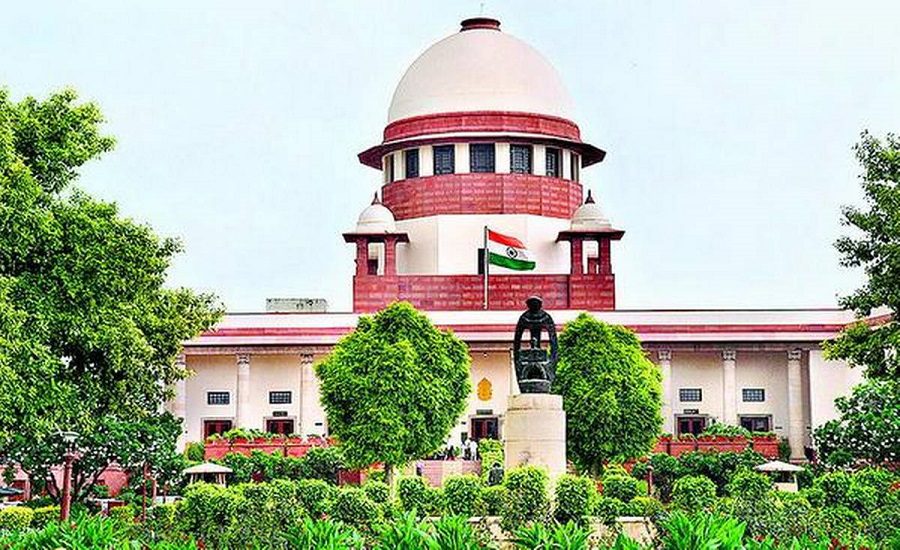
New Delhi: The Supreme court asks Centre to preserve RAF ammunition logs in connection with the recent student protest at Delhi’s Jantar Mantar. The Supreme Court said the ammunition records must be protected so that the court can examine the allegations related to the use of pellet guns during the protest.
The order came while the Supreme Court was hearing petitions that alleged excessive use of force against students protesting over the NEET paper leak issue. The court is also examining claims made by both protesters and police personnel.
Delhi Student Protest: Supreme Court Orders Preservation Of RAF Records
A bench led by Chief Justice Surya Kant, along with Justice Joymalya Bagchi and Justice V. Mohana, directed the Centre to preserve the ammunition log of the Rapid Action Force (RAF) personnel deployed at Jantar Mantar. The court said these official records could play an important role in understanding what crowd-control equipment and ammunition were used during the protest.
Read also: NEET-UG 2026 Paper Leak Case: Future of NEET in Question? Supreme Court Demands These Major Changes
Court Questions Use Of Pellet Guns in Delhi Student Protest
During the hearing, one of the petitioners referred to a police document that allegedly recorded the use of metallic pellet guns. The Solicitor General informed the court that the Bureau of Police Research and Development (BPR&D) advisory allows police to use pellet guns only in exceptional situations while maintaining law and order. The Supreme Court noted this submission and sought preservation of the relevant records.
Medical Care For Injured Protesters
The Supreme Court also directed the Delhi Government to ensure the best possible medical treatment for people who reportedly suffered pellet injuries during the protest. The bench stressed that the health and welfare of injured persons should receive immediate attention while the legal process continues.
Earlier Directions By The Supreme Court
This latest order comes after the Supreme Court earlier directed authorities to preserve CCTV footage, drone recordings, body-camera videos, wireless communication logs and other digital evidence related to the nationwide student protests. The court had also ordered the release of eligible student protesters without criminal records and called for a fair and independent investigation into allegations of injuries suffered by both students and police personnel.