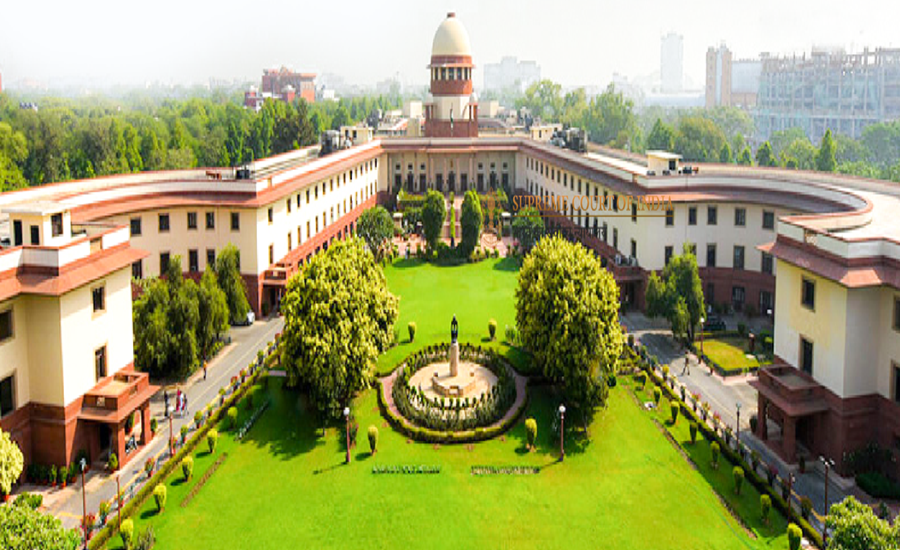
New Delhi: The Supreme Court sedition case clarification has brought fresh attention to pending cases under Section 124A of the Indian Penal Code (IPC). The apex court said that courts can continue hearing sedition-related trials and appeals if the accused person does not object to the proceedings.
This clarification came while hearing a plea linked to a long-pending sedition appeal before the Madhya Pradesh High Court.
Details of Supreme Court Sedition Case Clarification
A bench of the Supreme Court clarified that:
- Courts are allowed to hear pending sedition matters.
- The hearing can continue only if the accused raises no objection.
- The clarification applies to trials, appeals, and related proceedings under Section 124A IPC.
- The court explained that its 2022 interim order did not completely block hearings where the accused agreed to proceed.
Background of the Supreme Court Sedition Case Clarification
In May 2022, the Supreme Court had kept Section 124A IPC in abeyance while the Union Government reconsidered the colonial-era sedition law.
The court had also:
- Asked governments not to register fresh sedition FIRs.
- Paused ongoing sedition proceedings in many cases.
- Allowed affected people to seek relief from courts.
The latest clarification was issued during the hearing of a petition filed by an accused who has reportedly spent 17 years in jail in a sedition-related matter. His appeal is pending before the Madhya Pradesh High Court.
Supreme Court Sedition Case Clarification: Bench Hearing the Matter
The matter was heard by a Supreme Court bench comprising:
- Justice Surya Kant
- Justice Joymalya Bagchi
- Justice N. Kotiswar Singh (as reported in legal coverage)
The bench observed that if the accused person does not oppose the continuation of proceedings, there is no legal barrier stopping courts from deciding the matter on merits.
Why Supreme Court Sedition Case Clarification Matters
The order is important because many sedition cases across India have remained pending after the 2022 Supreme Court stay.
Legal experts believe the clarification may help:
- Reduce delays in old criminal appeals.
- Allow willing accused persons to seek faster judgments.
- Prevent indefinite suspension of pending matters.
- Give High Courts clarity on handling existing sedition cases.
What is Section 124A IPC?
Section 124A IPC deals with sedition.
It criminalizes acts or speech that attempt to create hatred, contempt, or disaffection against the government established by law.
Key facts:
- It is a colonial-era law introduced during British rule.
- Punishment can extend to life imprisonment.
- The law has faced criticism over alleged misuse against free speech.
Constitutional Challenge Still Pending
The constitutional validity of the sedition law is still under examination before the Supreme Court.
Important developments include:
- The 1962 judgment in Kedar Nath Singh vs State of Bihar upheld the law with limitations.
- Multiple petitions now challenge whether Section 124A violates free speech rights under Article 19(1)(a) of the Constitution.
The Supreme Court has not yet delivered a final judgment on whether the sedition provision should remain in force permanently.