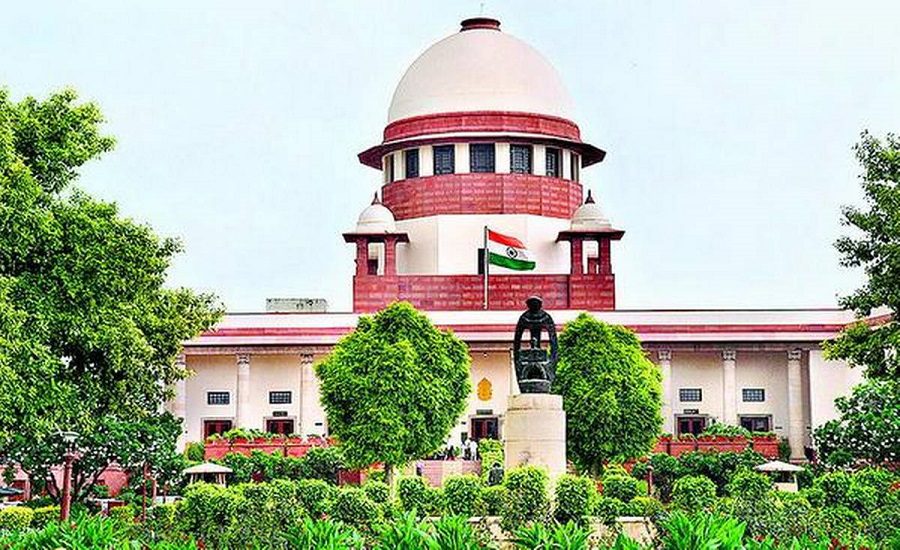
New Delhi: The Supreme Court has emphasized that the Pre-Conception and Pre-Natal Diagnostic Techniques (PCPNDT) Act, 1994 must continue to be implemented strictly until deep-rooted gender bias and preference for male children are eliminated from society.
The court observed that despite improvements in India’s sex ratio over the years, challenges remain and there is no room for complacency.
Details of SC Directives on PCPNDT Act Enforcement
A bench comprising Justice Sanjay Karol and Justice Prashant Kumar Mishra expressed concern over the continued existence of sex-selection practices in India.
Read also: No More Secret AI Use in Court Filings: Supreme Court Proposes Mandatory Disclosure
Key observations from the court:
- The preference for a male child still exists in many parts of the country.
- Illegal sex-selection practices continue despite legal restrictions.
- Welfare laws such as the PCPNDT Act must be enforced rigorously.
- True gender equality has not yet been achieved.
- Social attitudes towards girls must change alongside legal enforcement.
The court stated that while the situation is significantly better than it was in the 1990s, the available data does not justify weakening the law or overlooking violations.
Why Is the PCPNDT Act Important?
The Pre-Conception and Pre-Natal Diagnostic Techniques (Prohibition of Sex Selection) Act, 1994 was enacted to:
- Prevent sex determination before birth.
- Stop sex-selective abortions.
- Regulate the use of prenatal diagnostic technologies.
- Protect the rights of the girl child.
- Improve gender balance in society.
The law prohibits the misuse of ultrasound and other diagnostic techniques for determining the sex of a fetus.
PCPNDT Act Enforcement: Court Highlights Concerns Over Gender Imbalance
The Supreme Court referred to official demographic data showing the seriousness of the issue.
Child Sex Ratio Trends
- 1991: 945 girls per 1,000 boys
- 2001: 927 girls per 1,000 boys
- 2011: 919 girls per 1,000 boys
The court noted that these figures demonstrate why strict implementation of the PCPNDT Act remains necessary.
The bench further observed that several states continue to report sex ratios at birth below the national average, indicating that patriarchal attitudes and illegal sex-selection practices have not completely disappeared.
Government Efforts Mentioned by the Court
The Supreme Court acknowledged several government initiatives aimed at improving the status of girls in society, including:
- Beti Bachao, Beti Padhao
- Janani Suraksha Yojana
- Ladli Lakshmi Yojana
According to the court, these schemes reflect ongoing efforts to eliminate discrimination against girls and promote gender equality.
Case Background
The observations were made while the Supreme Court dismissed an appeal filed by a doctor challenging proceedings related to alleged violations under Section 23 of the PCPNDT Act.
The court refused to dilute the provisions of the legislation and reiterated that compliance with the law remains essential in protecting the rights of unborn girls.
Read also: Big Relief for Child Victims: Supreme Court Restricts Routine Psychological Assessments