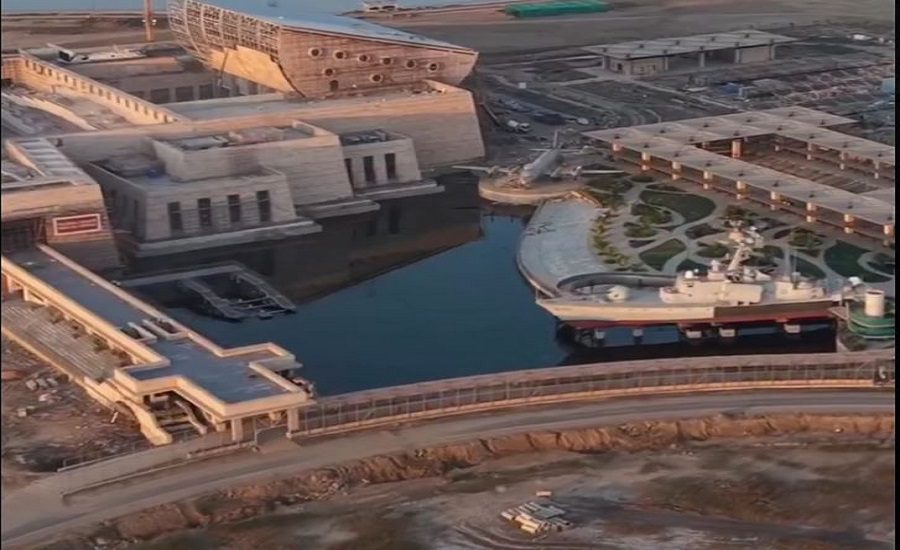
New Delhi: India is set to build the world’s largest maritime museum at Lothal, a historic site of the Indus Valley Civilisation known for housing one of the world’s earliest dockyards. The ambitious ₹4,500 crore National Maritime Heritage Complex (NMHC) aims to showcase India’s rich 4,500-year-old maritime legacy while boosting tourism, employment, and cultural preservation.
A Historic Site Chosen for a Global Vision
Located about 85 km from Ahmedabad, Lothal dates back to around 2400 BCE and is one of the most prominent sites of the Indus Valley Civilisation. Archaeological findings reveal advanced maritime engineering, bead-making industries, and extensive trade networks, establishing Lothal as a key ancient port city.
Its inclusion on UNESCO’s tentative World Heritage list further underscores its global significance, making it an ideal location for India’s first and largest maritime museum.
Flagship Project with National Backing
The National Maritime Heritage Complex (NMHC) is a flagship initiative under the Ministry of Ports, Shipping and Waterways, developed in collaboration with the Ministry of Culture.
The project is designed not only as a museum but also as a cultural, educational, and research hub, highlighting India’s maritime interactions with over 40 nations across the Indian Ocean region over centuries.
Masterplan and Architectural Vision
The masterplan of the NMHC has been designed by renowned architect Hafeez Contractor, a Padma Bhushan awardee.
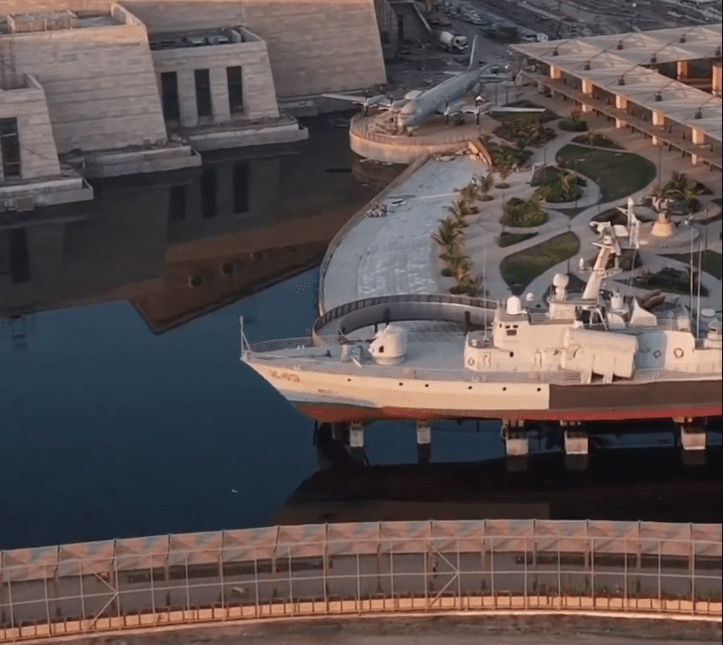
- The layout is centred around a waterbody inspired by Lothal’s ancient dockyard
- The design follows a grid pattern reminiscent of Harappan town planning
- The central museum complex acts as the focal point, similar to a citadel in ancient cities
A multidisciplinary team of architects, engineers, archaeologists, and designers is working to bring this vision to life.
Phased Development Plan
Phase 1A
- First segment of the National Maritime Museum
- Core infrastructure development
- Recreation of ancient Lothal town
Phase 1B
- Expansion of museum facilities
- Construction of a 77-metre-high Lighthouse Museum
- Development of the Bagicha Complex, a public cultural space
Phase 2
- Heritage Theme Park recreating Lothal city
- Coastal state pavilions
- Maritime Institute
- Attractions such as Maritime & Naval Park, Adventure Park, Monuments Park, and Climate Change Theme Park
- Museum-themed hotels and eco-resorts
Immersive Visitor Experience
The NMHC aims to deliver a multi-dimensional and interactive experience through:
- 5D simulations and audio-visual exhibits
- Light-and-sound installations
- Full-scale reconstructions of ancient and medieval ships
- Archival collections and naval artefacts
- Proposed display of a submarine and warship
These features will blend history, archaeology, and technology, making the complex both educational and engaging.

Economic and Tourism Impact
With an estimated investment of ₹4,500 crore, the NMHC is expected to:
- Generate around 22,000 jobs
- Boost local industries, artisans, and heritage tourism
- Transform the region into a major tourism hub
The project will also complement Gujarat’s existing attractions such as Gir National Park, Somnath Temple, and Dwarka. Additionally, about ₹1,000 crore is earmarked for hospitality and public-private infrastructure, ensuring long-term economic benefits.
National Vision and Strategic Importance
The NMHC aligns with India’s broader maritime development goals. During the “Samudra se Samriddhi” initiative, Prime Minister Narendra Modi emphasised the importance of preserving maritime heritage while advancing research and skill development.
Despite having a coastline of over 7,500 km, India has lacked a dedicated national maritime museum—an important gap that the NMHC seeks to fill.
A Landmark for the Future
The National Maritime Heritage Complex at Lothal is envisioned as more than just a museum—it will be a living institution that connects India’s ancient seafaring legacy with its modern maritime ambitions.
Blending heritage, innovation, and sustainability, the project is set to position India as a global leader in maritime history preservation while offering a world-class cultural destination.