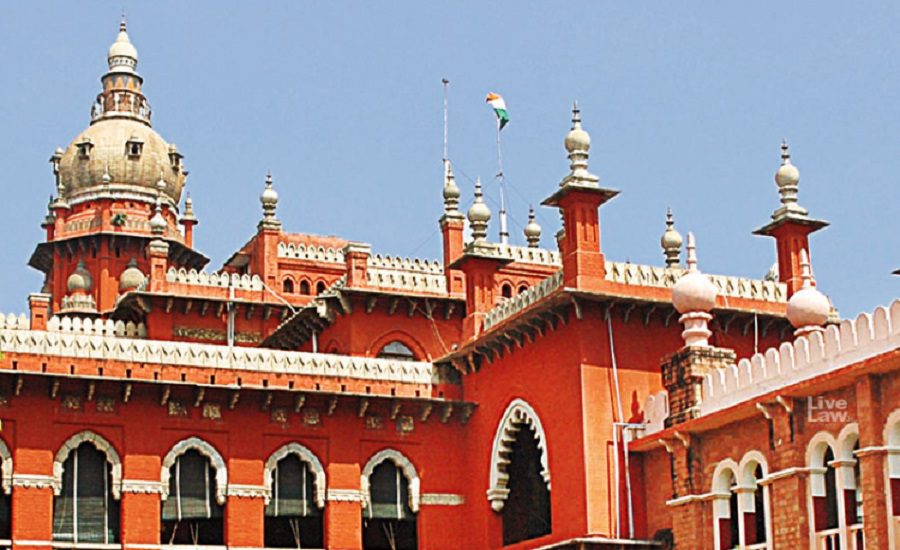
Madras: The Madras High court said Tamil Nadu caste-based street move should gradually disappear from public life and upheld the State’s policy aimed at promoting equality and social harmony.
The judgment came in the case S Paranasivam vs State of Tamil Nadu, where a challenge was made against a 2025 government order that directed authorities to identify and rename public places carrying caste-related names.
Madras High Court Supports Removal Of Tamil Nadu Caste-Based Street
A Bench of Justice C.V. Karthikeyan and Justice R. Sakthivel dismissed the petition challenging the Tamil Nadu government’s order. The court observed that any confusion caused by changing old names would only be temporary. According to the Bench, people who move beyond caste identities would not face difficulty in accepting the new names.
Read also: Who Can File A Complaint Under The Senior Citizen Act? Madras High Court Answers
Court Says Some Existing Names Were Derogatory
The judges made strong observations regarding certain caste-based names still used in public places. The Bench noted that some names were so offensive and derogatory that they could not even be comfortably spoken in open court.
The court further remarked that such a step should have been taken many years ago to remove discriminatory references from public spaces.
What Was The Government Order About
The Tamil Nadu Municipal Administration and Water Supply Department issued a Government Order (GO) in 2025. The order instructed officials to identify residential areas, roads, streets, colonies, and water bodies carrying caste-based or objectionable names. Authorities were then directed to rename these places after individuals known for their service to society and public welfare.
Objective Of The Tamil Nadu Caste-Based Street Policy
The State Government told the court that the policy was designed to promote equality and social inclusion. It argued that public places should reflect values of neutrality, dignity, and respect for all communities.
The government also pointed out that Tamil Nadu had issued a similar order in 1978 to remove caste-based names from roads and streets.
Why Was The Government Order Challenged
The petitioner argued that the renaming exercise was politically motivated and could affect communal harmony ahead of elections. The petition also questioned the 21-day period provided for the public to submit objections.
Additionally, the petitioner suggested that renamed places should carry the names of Tamil literary figures, Nayanmars, Azhwars, Siddhars, and other respected personalities.
Court Rejects Objections
The High Court was not convinced by these arguments. The judges ruled that every administrative exercise requires a reasonable time limit and found nothing wrong with the 21-day objection period.
The Bench therefore dismissed the challenge and removed the interim stay that had temporarily halted the implementation of the government order.
Examples Of Places Already Renamed
During the hearing, the State informed the court that several locations had already been renamed. Some examples include:
Renamed Locations In Tamil Nadu
- Harijan Colony in Chengalpattu became Thiruvalluvar Street
- Arunthathiyar Theru in Namakkal became Kamarajar Nagar
- Irular Colony in Tiruvannamalai became Kabilar Theru
- Narikuravar Colony in Ranipet became Perarignar Anna Theru
Other renamed locations include:
- Adi Dravidar Colony in Vellore became Kambar Street
- Sweeper Colony in Tirunelveli became Bharathidasan Street
- Arunthathiyar Kudiyiruppu in Kancheepuram became Avvaiyar Kudiyiruppu
The court noted that the new names were either neutral or named after individuals who had made significant contributions to society.
FAQs
The challenge was against a 2025 Tamil Nadu Government Order directing authorities to identify and rename streets, colonies, roads, and public places carrying caste-based or objectionable names.
The court held that removing caste-based and derogatory names promotes equality, inclusiveness, and social harmony in public spaces.
No. The Madras High Court dismissed the petition and allowed the State Government to continue implementing the renaming exercise.