Delhi: The Ministry of Tourism, Government of India, has signed a Memorandum of Understanding (MoU) with Google India Pvt. Ltd. to strengthen the digital promotion of India’s tourism destinations using advanced technologies such as artificial intelligence, data analytics, and digital platforms.
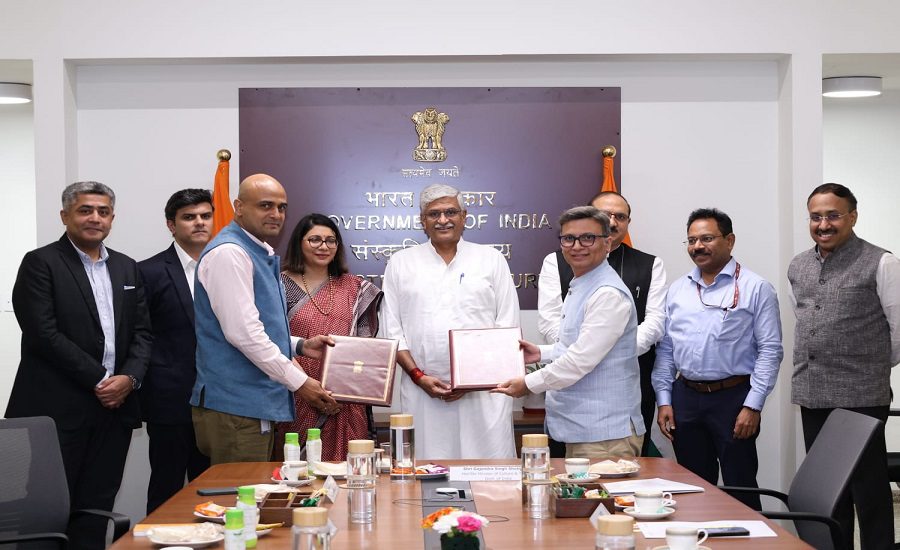
The MoU was formally exchanged in New Delhi in the presence of Union Minister for Tourism and Culture Mr. Gajendra Singh Shekhawat, marking a major step toward enhancing India’s global tourism visibility.
Focus on Digital Innovation and Immersive Travel Experiences
Speaking on the occasion, Mr. Gajendra Singh Shekhawat emphasized the transformative role of digital technologies in tourism promotion. He said that modern tools can create immersive experiences that showcase the richness, grandeur, and cultural heritage of India to global audiences.
He added that the initiative aligns with the government’s Incredible India campaign and aims to make India a more accessible and attractive destination for international travellers.
Key Areas of Collaboration Between Tourism Ministry and Google India
The MoU establishes a structured framework for collaboration between the two sides in several important areas, including:
- Digital promotion of Indian tourism destinations
- Knowledge sharing and capacity building
- Use of artificial intelligence and emerging technologies
- Data-driven tourism marketing strategies
- Enhanced visitor engagement through digital tools
The partnership will leverage Google’s global digital ecosystem to increase visibility for India’s cultural, natural, and heritage tourism offerings.
Non-Commercial and Non-Binding Partnership
Officials clarified that the collaboration is:
- Non-commercial
- Non-binding
- Non-exclusive
- Without any financial commitment from either side
Despite being non-financial, the agreement is expected to significantly enhance India’s tourism outreach through technology-driven strategies.
Data and AI to Shape Future Tourism Strategies
As part of the collaboration, Google India will provide insights into:
- Global travel trends
- Tourist behaviour patterns
- Digital engagement analytics
These insights will help the Ministry of Tourism develop evidence-based marketing strategies for promoting Indian destinations more effectively.
The initiative also includes the use of AI-powered tools and digital analytics to improve campaign planning and outreach precision.
Capacity Building for Government Officials
The MoU also includes training and capacity-building programmes for Ministry officials. These will focus on:
- Digital marketing tools
- Campaign optimization techniques
- Content creation strategies
- Emerging technologies including artificial intelligence
This initiative aims to equip officials with modern digital skills for more effective tourism promotion.
Key Officials Present at the Event
The signing ceremony was attended by senior officials from both sides, including:
- Mr. Bhuvnesh Kumar, Secretary, Ministry of Tourism
- Mr. Suman Billa, Additional Secretary and Director General (Tourism)
- Senior officials of the Ministry of Tourism
- Ms. Preeti Lobana, Country Manager and Vice President, Google India
- Representatives from Google India
Strengthening India’s Global Tourism Presence
Both the Ministry of Tourism and Google India reaffirmed their shared commitment to promoting India as a modern, globally competitive, and digitally advanced tourism destination.
Officials said the partnership will play a key role in strengthening India’s global tourism footprint and improving engagement with both domestic and international travellers.
The MoU between the Ministry of Tourism and Google India marks a significant milestone in integrating digital technology with tourism promotion. By leveraging AI, data analytics, and global digital platforms, the initiative aims to transform how India’s cultural and natural heritage is showcased to the world, positioning the country as a leading global travel destination.
Read also: Cabinet Approves ₹30,000 Crore for NIIF, Taking Government Commitment to ₹60,000 Crore