New Delhi: India semiconductor mission 2.0 has received a major boost after the Finance Ministry’s expenditure finance committee (EFC) approved a proposed outlay of ₹1.25 lakh crore. The proposal will now be sent to the Union Cabinet for final approval. If cleared, the expanded programme is expected to strengthen India’s semiconductor ecosystem, reduce import dependence, and help the country meet up to 75% of its domestic semiconductor demand by 2030.
Details of the India Semiconductor Mission 2.0 Budget
According to reports, the Expenditure Finance Committee (EFC) has approved a proposed ₹1.25 lakh crore budget for India Semiconductor Mission 2.0.
Read also: India Launches National Supercomputing Mission 2.0 to Empower HPC, AI, and Quantum Convergence
This is a significant increase from the ₹76,000 crore allocated under the first phase of the India Semiconductor Mission, launched in 2021. The proposal will now be placed before the Union Cabinet for final approval before implementation begins.
Why Is India Semiconductor Mission 2.0 Important
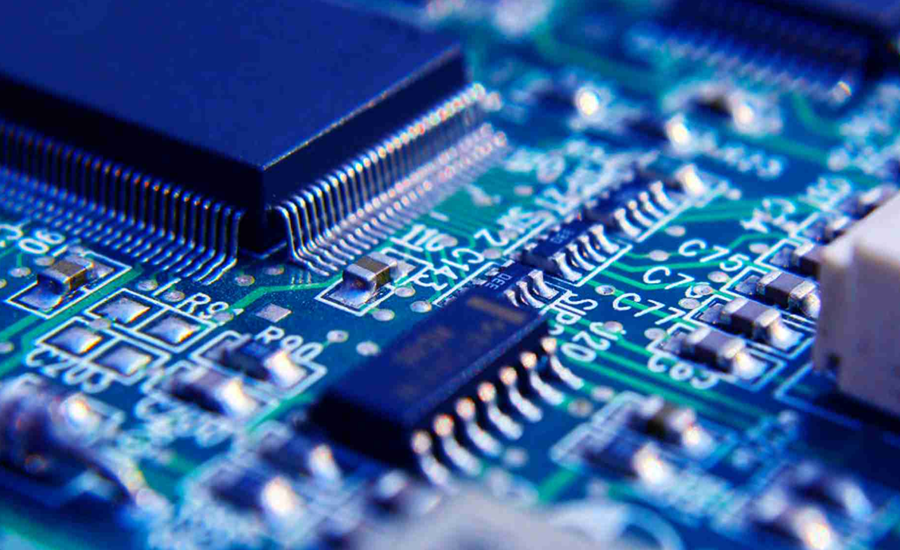
Semiconductors, also called computer chips, are used in almost every modern electronic product, including:
- Smartphones
- Laptops
- Cars
- Medical equipment
- Defence systems
- Artificial Intelligence (AI)
- Telecommunications equipment
India currently imports a large share of these chips. The government wants to build a strong domestic semiconductor industry to improve supply chain security and reduce dependence on foreign manufacturers.
What Will India Semiconductor Mission 2.0 Support
The expanded mission aims to support the complete semiconductor ecosystem rather than only chip manufacturing. The programme is expected to provide support for:
- Semiconductor fabrication (chip manufacturing)
- Chip assembly, testing and packaging
- Semiconductor design
- Industrial gases
- Specialty chemicals
- Capital equipment
- MSMEs supplying semiconductor components
- Research, innovation and supply chain development
Officials believe this wider approach will help India create an end-to-end semiconductor manufacturing ecosystem.
Government’s Long-Term Target
The government expects the expanded mission to help India produce chips required for around 70–75% of domestic demand by 2030. The broader objective is to make India a global electronics manufacturing hub under the Make in India initiative while strengthening the country’s strategic technology capabilities.
Progress Under India Semiconductor Mission 1.0
The first phase of the India Semiconductor Mission was approved in December 2021 with a financial outlay of ₹76,000 crore. According to official information:
- 10 semiconductor projects have been approved.
- These projects span six Indian states.
- Total approved investments have crossed ₹1.60 lakh crore.
- Several facilities are already under construction or have started commercial production.
The projects include silicon fabrication plants, semiconductor packaging units (ATMP/OSAT), compound semiconductor facilities, and chip design initiatives.
India’s Semiconductor Market Is Growing Rapidly
Government estimates show strong future demand for semiconductor products. Industry estimates indicate:
- India’s semiconductor market was about $38 billion in 2023.
- It reached approximately $45–50 billion during 2024–25.
- It is expected to grow to $100–110 billion by 2030.
Growing demand from electric vehicles, AI, smartphones, data centres, telecom, and consumer electronics is driving this expansion.
What is India Semiconductor Mission
The India Semiconductor Mission (ISM) is a Government of India initiative launched in 2021 under the Ministry of Electronics and Information Technology (MeitY).
Its objective is to build a complete semiconductor ecosystem covering design, fabrication, packaging, research, skilled workforce development, and supply chains, helping India become a trusted global semiconductor manufacturing destination.
Read also: India Steps Into the Semiconductor Big League With Qualcomm’s Advanced 2nm Chip Design