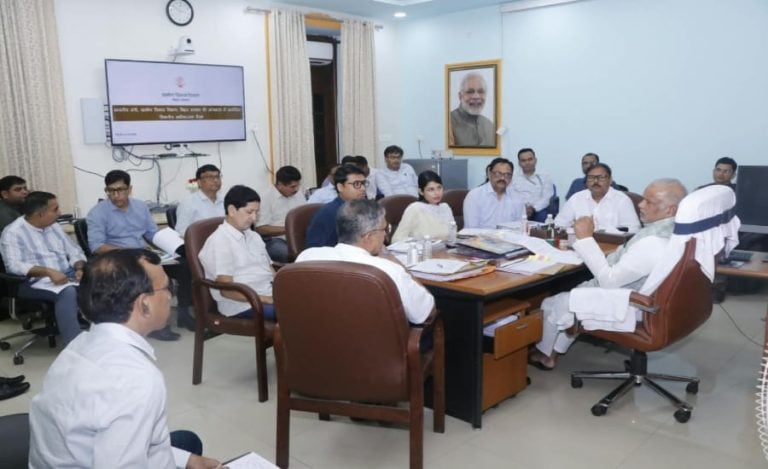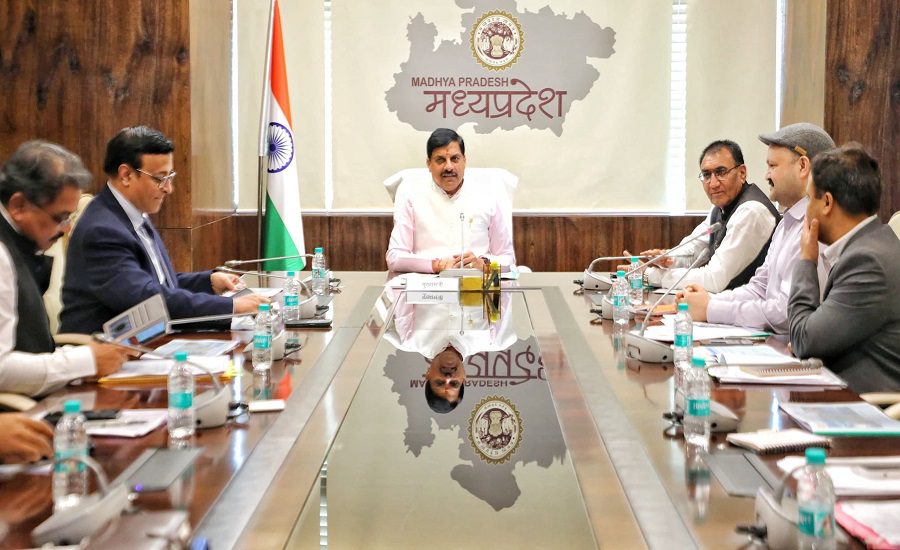
Sivni: Madhya Pradesh Chief Minister Dr. Mohan Yadav emphasized that the conservation of the Narmada River requires strong coordination between the government and society. He was addressing a review meeting of the Narmada Samagra Mission held in Amarkantak, the origin point of the sacred river.
The Chief Minister stressed that protecting the origin and ecological balance of Amarkantak is essential to preserve the purity and continuity of the Narmada River.
Protection of Amarkantak’s Ecological Integrity
CM Dr. Yadav directed officials to strengthen awareness campaigns to maintain the integrity of Amarkantak. He said that encroachments along riverbanks must be removed regularly and strict action should be taken against illegal constructions.
He also instructed that new construction activities in the region should be strictly regulated, especially to prevent uncontrolled concrete structures that could harm the natural landscape.
Read also: Centre Approves ₹41,533 Crore Fertilizer Subsidy for Kharif 2026; MP CM Mohan Yadav Thanks PM Modi
‘No Construction’ and ‘No Plastic’ Zone Proposal
The Chief Minister proposed strict enforcement of environmental protection measures in Amarkantak, including:
- Declaring “No Construction Zones” in sensitive areas
- Restricting movement in ecologically fragile zones
- Enforcing a complete ban on plastic and alcohol in the region
He said these measures are necessary to protect the religious, cultural, and environmental sanctity of Amarkantak.
Focus on Forest Conservation and Native Plantation
During the meeting, forest conservation efforts were reviewed in detail. Officials informed that special initiatives are underway to protect and enhance natural forests in the region.
The plantation drive focuses on native and medicinal plant species such as Sal, Mahua, Amla, Char, Harra, and Gulbakawali. The Forest Department also reported availability of over 2.5 lakh saplings for plantation activities.
Officials highlighted that replacing eucalyptus plantations with indigenous species is a key priority to improve biodiversity and groundwater levels.
Pollution Control and Sewage Management
The review also included discussions on pollution control in the Narmada River. Officials informed that a sewage treatment plant has already been installed in Amarkantak to ensure that untreated wastewater does not enter the river system.
Continuous monitoring is being carried out to maintain water quality and ecological balance.
Tourism, Religious Importance, and Controlled Development
The Chief Minister noted that Amarkantak is a major spiritual and tourism destination with several important temples and pilgrimage sites.
He emphasized that development must be regulated to avoid unplanned urban expansion and protect the region’s cultural and environmental identity.
Administrative Coordination and Mission Progress
Senior officials presented updates on ongoing development and conservation projects under the Narmada Samagra Mission.
Key participants in the meeting included:
- Dilip Ahirwar
- Dilip Jaiswal
- Ramlal Raoutel
Officials shared updates on forest biodiversity protection, trekking route management, fire safety monitoring, wildlife movement tracking, and temple and ghats maintenance.
Community Participation in River Conservation
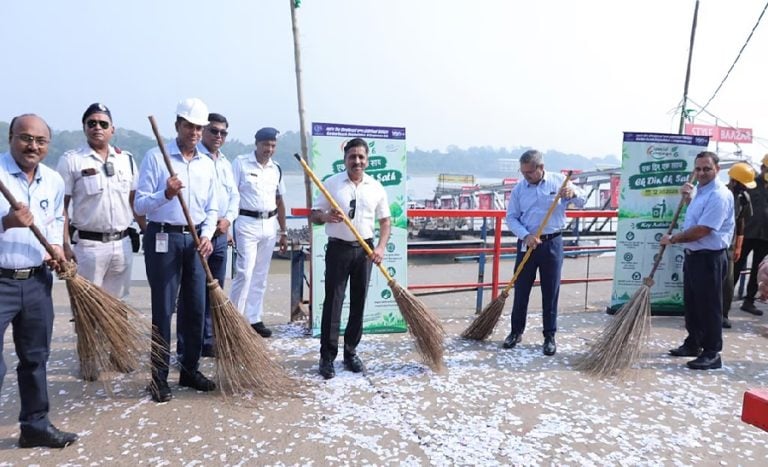
Representatives highlighted the importance of public participation in maintaining cleanliness of riverbanks and tributaries through regular community-driven cleanliness drives and “shramdaan” (voluntary service) activities.
The meeting concluded with a strong call for collaborative efforts between administration and citizens to ensure long-term sustainability of the Narmada River ecosystem.
The review meeting reinforced that the preservation of the Narmada River and Amarkantak region depends on a balanced approach combining strict regulation, ecological restoration, and active public participation. The government aims to implement structured development while safeguarding the natural and spiritual heritage of the region.