New Delhi: National Highways Authority of India (NHAI) has announced a major shift towards mechanized and technology-driven highway maintenance by introducing automated systems for drain cleaning, pothole repair, and road sweeping across national highways and expressways in India.
The initiative aims to improve efficiency, enhance road quality, and provide a safer and smoother travel experience for highway users.
Focus on Technology-Driven Highway Maintenance
As part of the new strategy, NHAI has issued comprehensive guidelines for adopting advanced maintenance technologies in highway infrastructure management. The move is designed to strengthen preventive maintenance practices and ensure stricter compliance with contractual obligations.
Key objectives of the initiative include:
- Improved maintenance efficiency
- Higher quality road infrastructure
- Reduced response time for repairs
- Better sustainability in highway operations
- Enhanced user comfort and safety
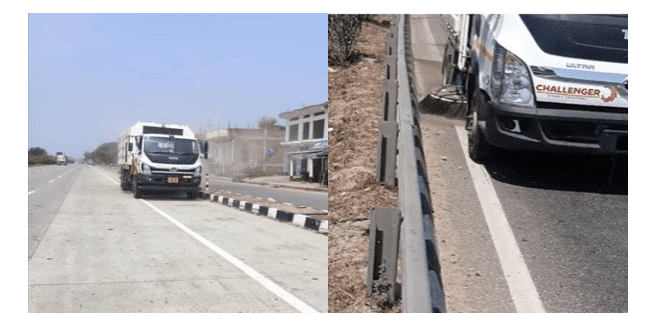
Mechanized Drain Cleaning for Better Stormwater Management
With the monsoon season approaching, NHAI has made mechanized cleaning of lined drains mandatory in urban and built-up highway stretches.
The system will use advanced equipment such as:
- High-flow super suction and jetting units
- Hydraulic grab machines
- Dewatering pump sets
These machines will work in an integrated manner for:
- Removal of accumulated silt and debris
- Efficient dewatering of drainage channels
- Suction and disposal of slurry materials
NHAI has also directed contractors and concessionaires to strictly follow maintenance schedules and ensure timely resolution of drainage-related issues. Compliance will be closely monitored to prevent delays and deterioration of highway conditions.
Automated Pothole Repair and Road Sweeping Systems
In another major step, NHAI has introduced guidelines for the deployment of:
- Automatic pothole filling, compacting, and patching machines
- Mechanized road sweeping machines
These systems will be included under Performance-Based Maintenance Contracts (PBMC), enabling faster adoption across the national highway network.
Benefits of Automated Pothole Repair
- Faster repair of road surface damage
- Reduced maintenance response time
- Improved ride quality for commuters
- Enhanced structural durability of highways
Mechanized Road Sweeping Advantages
- Systematic cleaning of roads and shoulders
- Removal of dust, silt, and debris
- Improved road visibility and safety
- Reduction in dust-related pollution
These technologies are already in use on highways such as Varanasi–Aurangabad, Handia–Rajatalab, and several projects in Haryana, Punjab, and Gujarat.
Strengthening Preventive Maintenance Across India
NHAI’s new framework also includes provisions for cost assessment and approval mechanisms to support the deployment of advanced machinery in ongoing maintenance contracts.
The authority believes this transition will strengthen preventive maintenance systems, reduce long-term repair costs, and ensure better service quality for road users.
Expected Impact on National Highway Network
The adoption of mechanized drain cleaning, automated pothole repair, and road sweeping technologies is expected to:
- Improve overall highway maintenance efficiency
- Enhance safety standards on national highways
- Reduce manual intervention and delays
- Provide a cleaner and smoother driving experience
This modernization drive marks a significant step towards smarter and more sustainable highway infrastructure in India.
Read also: What is Project Saksham and How NHAI is Transforming Rural Women into Skilled Professionals