Patna: A seminar at Patna Women’s College highlighted the role of young people in preventing tobacco use and building healthier educational environments. The programme focused on tobacco prevention, social responsibility and responsible citizenship, while encouraging students to contribute to efforts aimed at maintaining a tobacco-free campus.
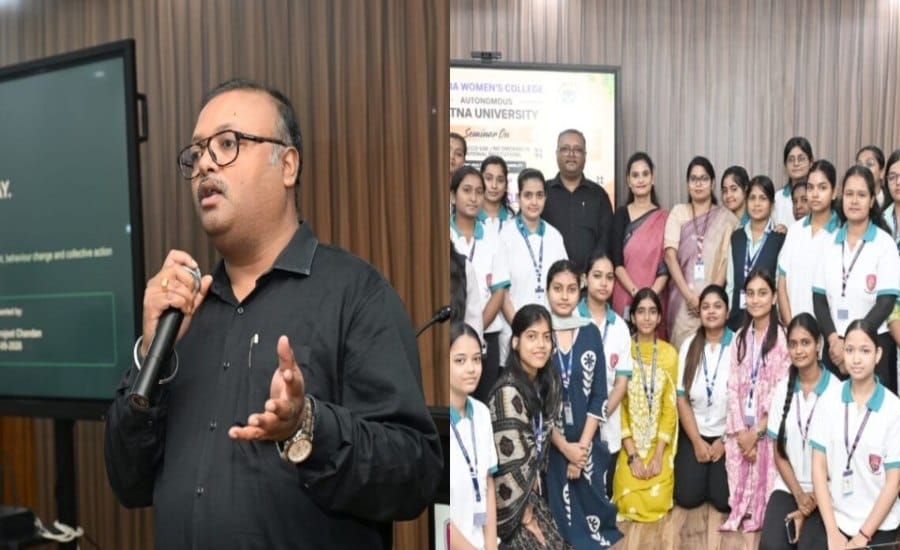
The seminar, titled “Tobacco-Free Educational Institutions: Promoting Health, Social Responsibility & Responsible Citizenship,” was organised by the SAMARTH Social Work Club in collaboration with the college’s Substance Abuse Prevention Cell. It was held at the MVEIC Hall in the Science Block of Patna Women’s College.
Students Encouraged to Support Tobacco-Free Campuses
The programme brought attention to the importance of creating educational spaces where students can learn and participate in activities without exposure to tobacco-related influences.
During the seminar, students were encouraged to make informed and healthy choices and understand their role in promoting a tobacco-free campus. The discussions also connected tobacco prevention with wider ideas of social responsibility and responsible citizenship.
Rather than treating tobacco prevention only as an individual concern, the programme emphasised the importance of collective participation. Students were encouraged to become active contributors to awareness efforts within their educational institutions and communities.
Read Also: No More Running Between Offices: Bihar Puts 62 Investor Services on One Portal
EY Consultant Shares Experience in Community Development
The resource person for the seminar was Surojeet Chandan, Senior Consultant at Ernst & Young (EY).
Chandan brings more than 19 years of professional experience across areas including livelihood, education, community development, skill development and social impact initiatives. During the programme, he shared insights related to tobacco prevention and community-level awareness.
He also spoke about the potential role of young people in creating healthier communities. Sustained awareness and active participation, he highlighted, can help strengthen social responsibility and encourage positive choices among young people.
His experience across education, skills and community development provided a broader perspective to the discussion, connecting tobacco prevention with community-level participation and social awareness.
Collective Responsibility in Focus
The seminar also highlighted that maintaining a tobacco-free educational environment requires continuous awareness and participation from students, teachers and other members of the institution.
The programme was coordinated by Dr. Mridul Mishra, Tobacco Monitor and Nodal Officer of the Substance Abuse Prevention Cell at Patna Women’s College. Dr Mishra also serves as Coordinator of the SAMARTH Social Work Club and Assistant Professor in the Department of Social Work.
Dr Mishra welcomed the resource person and members of the social work club. In his remarks, he underlined the importance of awareness, collective responsibility and sustained efforts in creating and maintaining a tobacco-free campus.
The emphasis on continued participation is particularly relevant for educational institutions, where students can influence their peers and contribute to awareness initiatives beyond the classroom.
Students Take Centre Stage
The programme was moderated by Anamika, Student President of the SAMARTH Social Work Club, giving students an active role in the seminar.
Student participation was a key theme throughout the programme. Instead of limiting the discussion to awareness about the harmful effects of tobacco, the seminar encouraged students to take responsibility for promoting healthier choices within their surroundings.
Students were encouraged to act as ambassadors for a tobacco-free campus and carry the message of social responsibility into their wider communities.
Why Tobacco-Free Educational Spaces Matter
Educational institutions play an important role in shaping habits, attitudes and social behaviour among young people. Initiatives focused on tobacco prevention can therefore provide students with opportunities to discuss health choices and understand how individual decisions can affect the wider community.
A tobacco-free campus approach also places emphasis on creating an environment where students can focus on education and personal development without tobacco use becoming part of the campus culture.
The Patna Women’s College seminar linked this objective with the broader idea of responsible citizenship. The programme encouraged students to view tobacco prevention as part of their contribution towards healthier communities.
Awareness Beyond a Single Seminar
The seminar concluded with an emphasis on continued student participation in creating a healthier educational environment.
Students were encouraged to become active ambassadors for a tobacco-free campus and a socially responsible society. The focus on sustained awareness suggests that tobacco prevention requires regular engagement rather than being limited to one-time programmes.
For institutions, such initiatives can create spaces where students, faculty members and social work groups work together on health and community-related issues. Student-led participation can also help carry awareness messages among peers and into local communities.
The Patna Women’s College initiative therefore brought together social work, student participation and community awareness around a common objective: encouraging healthier choices and strengthening responsibility among young citizens.
Read Also: From AI to 20,477 Placements: Bihar’s Government Technical Colleges Gain Momentum