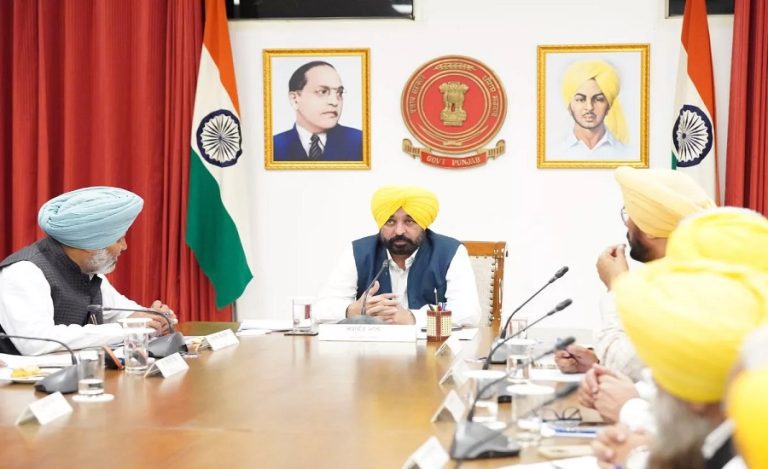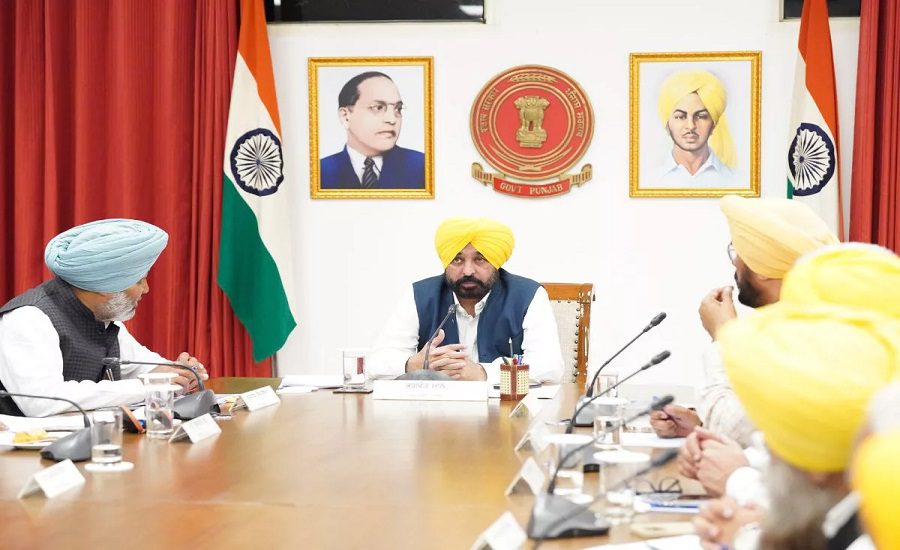
Chandigarh: The Punjab government has extended relief for existing industries operating in non-conforming zones across the state until September 30, 2027. The exemption allows eligible industrial units to continue operating without the application of Section 79 of the Punjab Regional and Town Planning and Development Act, 1995, subject to compliance with pollution control norms.
The decision could benefit nearly 20,000 industrial units, with Ludhiana accounting for close to half of them. The exemption covers 24 master plans, including those of Ludhiana, Mohali, Jalandhar, Amritsar, Patiala and Bathinda, as well as several towns in Mohali district.
The extension offers temporary relief to industrialists who faced uncertainty as earlier exemptions approached their expiry. However, businesses must continue to meet the prescribed environmental requirements and obtain a no-objection certificate (NOC) from the Punjab Pollution Control Board (PPCB).
What Does the Extended Relief Mean for Industries?
The exemption gives existing industrial units in designated non-conforming zones additional time to operate without the restrictions imposed by Section 79 of the 1995 Act. The provision generally requires land use and development to follow the notified master plan once it comes into force in an area.
It prohibits the use of land, permission for its use or development activities that conflict with the provisions of the applicable master plan.
For industrial units operating in areas where their activities do not conform to the notified land-use plan, these restrictions can create uncertainty about the continuation of business operations.
By extending the exemption until September 30, 2027, the Punjab government has provided a temporary window for eligible existing industries. The relief does not amount to a permanent change in land-use rules, nor does it remove the requirement to comply with pollution control standards.
Read Also: Punjab’s ₹750 Crore Village Push: 3,763 SC-Dominated Villages to Get Development Funds
Ludhiana Industries Were Among Those Seeking an Extension
The decision follows concerns among small-scale industrialists in Ludhiana, where a large share of the affected units operate.
The government had earlier exempted existing industries operating in residential zones under the Ludhiana Master Plan, both within and outside municipal corporation limits, from Section 79 for three years. That exemption ran from September 11, 2023, to September 10, 2026.
The earlier relief also required industries to comply with PPCB norms and obtain an NOC under a notification issued on October 6, 2023.
As the exemption period ended, small-scale industrialists staged a protest in Ludhiana on October 8, seeking an extension. They expressed concern that the end of the relief could leave thousands of businesses uncertain about their future.
The latest decision expands the coverage beyond Ludhiana to industries operating in non-conforming zones across 24 master plans. It offers a wider group of existing industrial units temporary relief from the relevant land-use restrictions.
Section 79 and the Role of Master Plans
Master plans guide how land in urban areas can be used and developed. They identify areas for different purposes, including residential, commercial, industrial and other activities.
Section 79 of the Punjab Regional and Town Planning and Development Act, 1995, requires development to conform to the notified master plan. This means that industrial activities in areas not designated for such use can face restrictions under the law.
According to the latest notification, the master plans covered by the exemption have either completed or are likely to complete 15 years from the dates of their respective notifications.
The Governor of Punjab has exercised powers under Section 178 of the Act to grant the exemption from Section 79 to existing industries in the specified non-conforming zones until September 30, 2027.
The extension remains conditional. Industries must comply with the stipulated PPCB requirements and obtain the necessary NOC from the board.
Which 24 Master Plans Are Covered?
The notification covers the following master plans across Punjab:
Ludhiana, Mohali, Mullanpur, Derabassi, Zirakpur, Abohar, Bathinda, Kharar, Banur, Jalandhar, Patiala, Gobindgarh, Amritsar, Khanna, Goindwal, Hargobindpur, Baghapurana, Tarn Taran, Kotkapura, Sangrur, Sultanpur Lodhi, Rama Mandi, Hoshiarpur and Fatehgarh Sahib.
Mohali district accounts for six of the listed master plans: Mohali, Mullanpur, Derabassi, Zirakpur, Kharar and Banur.
The remaining master plans are located across Ludhiana, Fazilka, Bathinda, Jalandhar, Patiala, Fatehgarh Sahib, Amritsar, Tarn Taran, Gurdaspur, Moga, Faridkot, Sangrur, Kapurthala and Hoshiarpur districts.
The wide coverage means the relief extends to industrial areas in several parts of the state rather than being limited to one city or a single master plan.
Pollution Control Conditions Remain in Force
While the extension gives eligible industries additional time, it does not remove their environmental responsibilities. The exemption requires compliance with PPCB norms and an NOC from the board.
This condition remains important because the relief concerns land-use provisions, not a blanket waiver of pollution control requirements. Industrial units must continue to meet the applicable environmental standards to qualify for the exemption.
The extension also applies to existing industries operating in the specified non-conforming zones. It should not be interpreted as automatic permission for new industrial units or as unrestricted approval for activities that violate other applicable laws.
A Temporary Breathing Space for Punjab’s Industrial Units
Punjab’s decision provides short-term certainty to thousands of existing industrial units as they navigate the requirements of urban planning regulations. For small-scale businesses, particularly in industrial centres such as Ludhiana, the extension may ease immediate concerns over the continuation of operations.
The next deadline is September 30, 2027. Until then, eligible industries must meet the conditions attached to the exemption, including the requirements set by the Punjab Pollution Control Board.
The measure offers temporary relief while leaving the underlying master-plan framework and pollution control obligations in place. Its broader significance lies in balancing the concerns of existing industrial businesses with the state’s land-use planning and environmental compliance requirements.
Read Also: Punjab Govt Hands 523 Appointment Letters, Expands Jobs, Healthcare & Employee Welfare Reforms